


A New You: An Introduction to Tummy Tucks
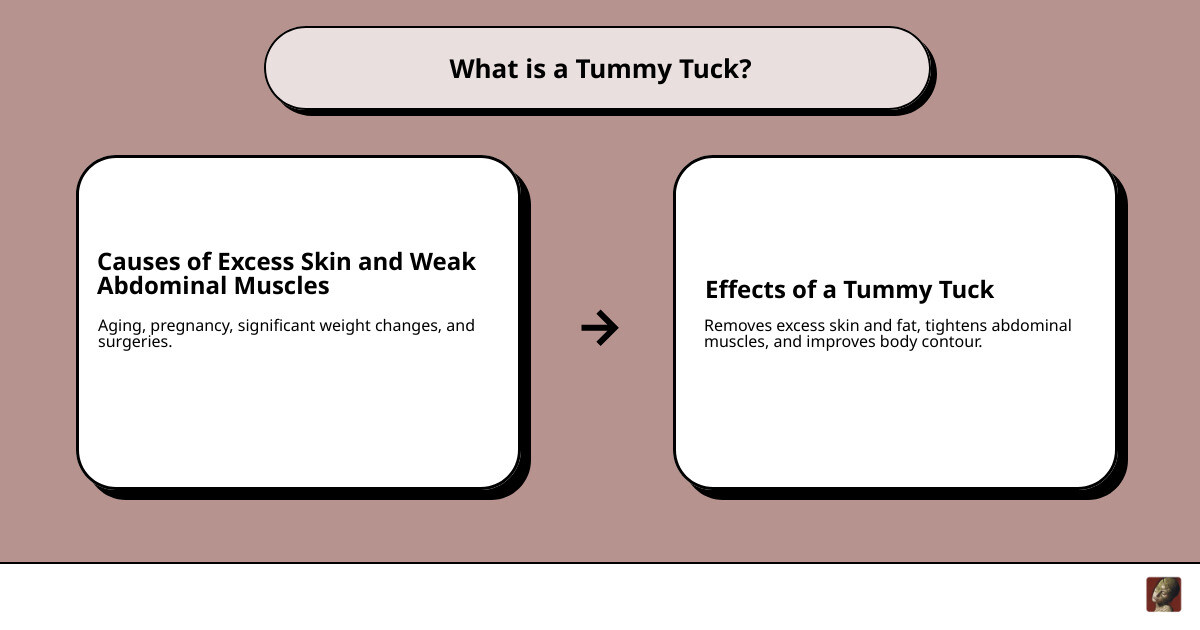
What is a tummy tuck? A tummy tuck, or abdominoplasty, is a cosmetic surgery procedure designed to remove excess skin and fat from the abdomen, creating a smoother and more toned appearance. Here’s what you need to know in a nutshell:
- Removes excess skin and fat.
- Tightens abdominal muscles.
- Improves body contours.
A tummy tuck isn’t just about looking great in a swimsuit. It’s crucial for individuals grappling with loose skin and weakened abdominal muscles due to aging, pregnancy, weight changes, or surgeries.
Expect improvements such as:
- Enhanced body image: Feel more confident and satisfied with your appearance.
- Stronger core: Helps in tightening the abdominal muscles.
- Ease of movement: Removing excess skin makes it easier to move and exercise.
I am Dr. Thomas Jeneby, a plastic surgeon with over 19 years of experience in procedures like the tummy tuck. Having performed thousands of surgeries, I can guide you through what is a tummy tuck and help set realistic expectations for your journey.
Up next, let’s dive deeper into what is a tummy tuck, exploring its definition and the specifics of this transformative procedure.

What is a Tummy Tuck?
A tummy tuck, or abdominoplasty, is a type of cosmetic surgery designed to remove excess skin and fat from the abdominal area. It also tightens the muscles of the abdominal wall to create a smoother, firmer profile. This procedure is especially popular among individuals who have experienced significant weight loss, pregnancy, or aging, which often leaves behind loose skin and weakened muscles.
Types of Tummy Tuck Procedures
There are several types of tummy tuck procedures to address different needs:
Full Tummy Tuck: This is the most common type and involves a hip-to-hip incision and another around the belly button. It removes a significant amount of excess skin and tightens the abdominal muscles.
Mini Tummy Tuck: Ideal for those with a small amount of excess skin below the belly button. It involves a smaller incision and focuses on the lower abdomen. This option is less invasive and results in a smaller scar.
Extended Tummy Tuck: This procedure includes a longer incision that extends around the flanks to the lower back. It is suitable for individuals who have lost a large amount of weight and need more extensive skin removal.
What a Tummy Tuck Does
A tummy tuck primarily aims to:
Remove Excess Skin: The procedure eliminates loose, sagging skin that diet and exercise can’t address. This is particularly beneficial for those who have lost a lot of weight or women post-pregnancy.
Tighten Muscles: During the surgery, the underlying abdominal muscles are stitched together. This can help restore a toned appearance and improve core stability.
Improve Contour: By removing excess skin and tightening muscles, a tummy tuck enhances the overall contour of the abdomen, making it look flatter and more proportional to the rest of the body.

A tummy tuck is not just about aesthetics; it can also have functional benefits like alleviating back pain and improving posture by strengthening the core. However, it’s important to note that this surgery is not a substitute for weight loss or a healthy lifestyle. Maintaining a stable weight is crucial for long-lasting results.
Benefits of a Tummy Tuck
A tummy tuck offers numerous benefits, making it a popular choice for various individuals. Here are some reasons why you might consider it:
Enhanced Appearance
A tummy tuck removes excess skin and fat, giving your abdomen a smoother, flatter look. This can be especially helpful if you’ve struggled with loose skin after significant weight loss or pregnancy.
Increased Confidence
Many people feel self-conscious about their abdomen, especially if it has been affected by pregnancy, weight changes, or aging. A tummy tuck can help boost your self-esteem by giving you a body shape that makes you feel more confident.
Improved Comfort
Excess skin and weak muscles can lead to discomfort and even health issues like back pain. A tummy tuck can alleviate these problems by tightening the abdominal muscles and removing the excess skin. This not only improves your appearance but also enhances your comfort and overall well-being.
The Tummy Tuck Procedure Explained
Recovery and Aftercare
Preparation
Your journey to a flatter abdomen begins with preparation. Before surgery, you’ll need to be at a stable weight and in good health. Your surgeon might ask you to quit smoking and avoid certain medications that can increase bleeding.
Anesthesia
On the day of your tummy tuck, you’ll receive anesthesia to ensure you’re comfortable. This could be intravenous sedation or general anesthesia. Your doctor will recommend the best option for you.
Incision
A full tummy tuck involves a horizontal incision between the pubic hairline and the belly button. The length of the incision depends on how much excess skin needs to be removed. In some cases, a second incision around the navel may be necessary.
Muscle Repair
Once the skin is lifted, your surgeon will repair and tighten weakened abdominal muscles. This step helps create a firmer and more toned abdominal profile.
Closing Incisions
After muscle repair, the surgeon will pull down the upper abdominal skin, trim excess skin, and close the incisions. Sutures, skin adhesives, or clips are used to ensure the skin heals properly.
Healing Time
After surgery, expect some swelling and discomfort. Your surgeon will prescribe pain medication to help manage this. The initial healing phase lasts about two weeks, but full recovery can take several months.
Activity Restrictions
It’s crucial to limit physical activity post-surgery. Avoid strenuous exercise and heavy lifting for at least four to six weeks. You can take short walks to promote blood circulation, but always follow your surgeon’s guidelines.
Scar Care
Scarring is a natural part of the healing process. Your surgeon will place incisions in less noticeable areas and provide tips to minimize scars. Over time, scars will fade, but some may remain slightly visible.
Support Garments
You’ll need to wear a supportive abdominal garment for about six weeks. This helps reduce swelling and supports your abdomen as it heals. Follow your surgeon’s instructions on how to wear and care for this garment.
In the next section, we’ll discuss the risks and considerations of a tummy tuck, so you can be fully informed before making your decision.
Risks and Considerations of a Tummy Tuck
Like any major surgery, a tummy tuck comes with risks. Understanding these risks can help you make an informed decision.
Seroma
Seroma is a fluid buildup under the skin. This can happen after surgery. Surgeons often use drainage tubes to prevent this. If fluid does collect, it can be removed with a needle and syringe.
Scarring
A tummy tuck leaves a permanent scar. The scar typically runs along the bikini line. It may be more or less visible depending on your skin type and healing process. Over time, scars will fade but may not disappear completely.
Tissue Damage
During a tummy tuck, fatty tissue deep in the skin might get damaged. This is more common in smokers. Depending on the severity, the tissue might heal on its own or need a touch-up procedure.
Infection Risk
Infections are a risk with any surgery. You might be given antibiotics to prevent them. Poor wound healing can also lead to infections. Following your surgeon’s aftercare instructions can reduce this risk.
Permanent Results
A tummy tuck provides long-lasting results. However, these results depend on you. Maintaining a stable weight through healthy eating and regular exercise is key. Significant weight gain or loss can change your appearance.
Impact of Lifestyle Changes
Lifestyle changes like pregnancy or weight fluctuations can affect your tummy tuck results. If you plan to become pregnant or lose a lot of weight, consider postponing the surgery.
Maintenance Tips
To keep your tummy tuck results looking their best:
- Eat a balanced diet.
- Exercise regularly.
- Avoid smoking.
- Follow your surgeon’s post-op care instructions.
In the next section, we’ll answer some frequently asked questions about tummy tucks to help you further understand the procedure.
Frequently Asked Questions about Tummy Tucks
How Long Does Recovery Take?
Recovery from a tummy tuck can vary, but most people feel sore and tight for up to two weeks. Dr. David Stepien, a plastic surgeon, explains that it might feel like you’ve done a million sit-ups.
- First Two Weeks: Expect significant soreness and tightness. Pain and swelling are common.
- Four Weeks: Pain and swelling should improve considerably, but some swelling may persist up to three months.
- Six Weeks: Avoid core strength exercises like sit-ups and squats. You can return to normal daily activities after four weeks, but full recovery takes longer.
Can I Sleep on My Side After Surgery?
Yes, you can sleep on your side immediately after the procedure. There are no restrictions on sleeping positions. However, it’s essential to find a position that’s comfortable for you and doesn’t strain your incisions.
Is a Tummy Tuck Covered by Insurance?
Generally, a tummy tuck is considered a cosmetic procedure and is not covered by insurance. However, there are some exceptions:
- Panniculectomy: If the excess skin causes medical issues like chafing or rashes, insurance may cover the removal of the skin. This procedure is different from a tummy tuck as it doesn’t involve muscle repair or reshaping the abdomen.
- Combination Procedures: Sometimes, a panniculectomy can be combined with a tummy tuck. In such cases, insurance may cover the panniculectomy portion, but you will be responsible for the cost of the additional cosmetic enhancements.
For detailed information, consult with your surgeon and insurance provider to understand your options and any potential coverage.
In the next section, we will discuss the long-term satisfaction and benefits of choosing the Plastic and Cosmetic Center of South Texas for your tummy tuck.
Conclusion
Choosing to undergo a tummy tuck is a significant decision that can have long-term benefits for your appearance and confidence. Many individuals report high levels of satisfaction after their abdominoplasty, especially when they follow their surgeon’s advice on maintaining a healthy lifestyle post-surgery.
Long-Term Satisfaction
Most patients find that the results of their tummy tuck are long-lasting, provided they maintain a stable weight. A flat and toned abdomen can boost your self-esteem, making you feel more comfortable in your clothing and more confident in your everyday life. However, understand that significant weight fluctuations or future pregnancies can alter the results.
Plastic and Cosmetic Center of South Texas
At the Plastic and Cosmetic Center of South Texas, we prioritize your safety and satisfaction. Our experienced surgeons use advanced techniques to ensure the best possible outcomes. We offer personalized care and support throughout your journey, from your initial consultation to your final follow-up appointment.
Our commitment to excellence and patient care makes us a trusted choice for those considering a tummy tuck. We also provide various in-house financing options to make your cosmetic goals more accessible.
Investing in a tummy tuck is not just about enhancing your appearance; it’s about enriching your life. If you’re ready to take the next step towards a more confident you, contact us today to schedule your consultation.
Feel free to explore our services page for more information on tummy tucks and other body contouring options.
By understanding the long-term benefits and choosing a reputable provider, you can achieve the results you desire and enjoy a boost in confidence for years to come.


