


Tummy tucks, medically known as abdominoplasty, are a popular cosmetic surgery option for those looking to achieve a flatter, more toned abdomen. This surgical procedure aims to remove excess skin and fat while tightening abdominal muscles.
Key points to know about tummy tucks:
- Purpose: To achieve a smoother, more toned abdominal area.
- Procedure: Removes extra skin and fat; tightens abdominal muscles.
- Candidates: Ideal for individuals dealing with loose skin due to weight changes, pregnancy, or aging.
- Recovery: Typically requires a few weeks with activity restrictions.
- Results: Can be long-lasting with maintained weight and healthy lifestyle.
If you’re considering a tummy tuck to improve your self-confidence and body image, you’re not alone. Many individuals find this procedure helps them feel more comfortable in their skin.
My name is Dr. Thomas Jeneby, and I’ve been specializing in tummy tucks for over 19 years in San Antonio. With thousands of successful cases, I’ve dedicated my career to helping people achieve their desired body contours safely and effectively.
Must-know tummy tucks terms:
– excess skin removal surgery
– how long to recover from tummy tuck
– panniculectomy before and after
What is a Tummy Tuck?
Types of Tummy Tucks
A tummy tuck is a versatile procedure that can be custom to fit individual needs, depending on the amount of excess skin and muscle tightening required. Here, we’ll break down the different types of tummy tucks and what each involves.
Full Abdominoplasty
The full abdominoplasty is the most comprehensive form of a tummy tuck. It targets both the upper and lower abdomen, making it ideal for those with significant loose skin and weakened abdominal muscles. During the procedure, a surgeon removes excess skin and fat, then tightens the abdominal muscles to create a smoother, firmer abdomen. This type of tummy tuck often includes repositioning the belly button to match the new contour.

Mini Tummy Tuck
The mini tummy tuck, or partial abdominoplasty, focuses only on the lower abdomen, below the belly button. It’s best suited for individuals with a small amount of excess skin and minimal muscle laxity. This option involves a smaller incision and often results in a shorter recovery time compared to a full tummy tuck. However, it does not address issues in the upper abdomen.

Panniculectomy
A panniculectomy is primarily aimed at removing excess skin that hangs from the abdomen, often due to significant weight loss. Unlike a full abdominoplasty, it does not involve muscle tightening or reshaping the abdominal wall. This procedure can be combined with a tummy tuck if additional contouring is desired. In some cases, insurance may cover a panniculectomy if the excess skin causes medical issues, such as chafing or rashes.
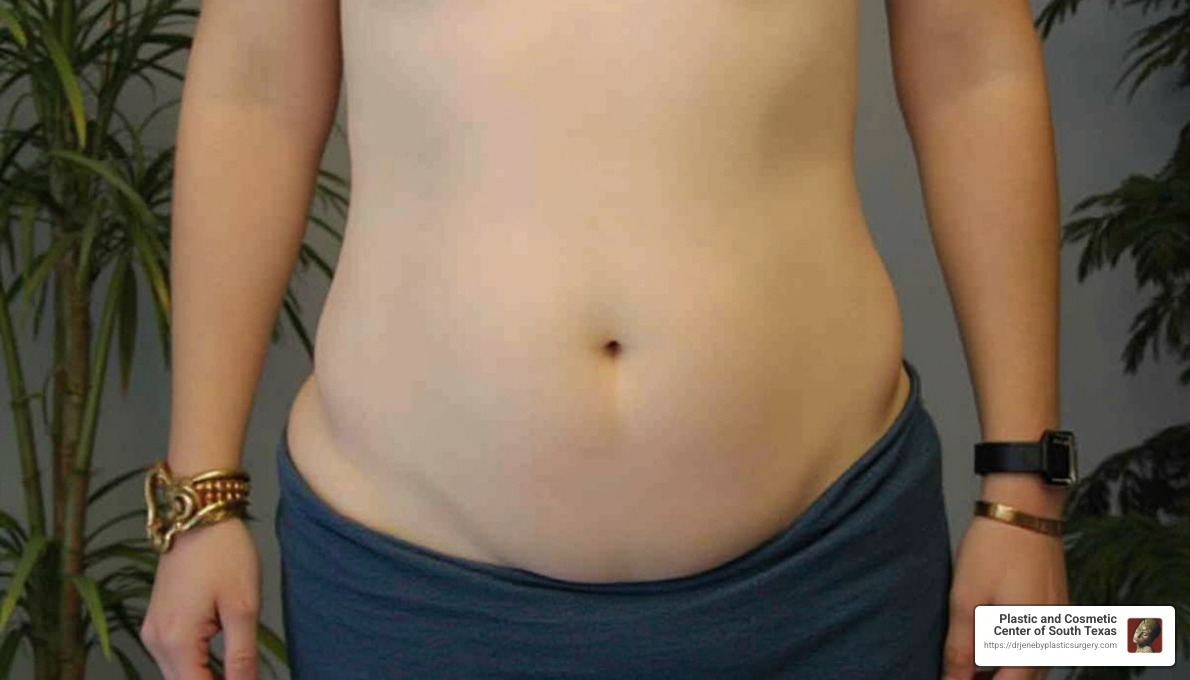
Each type of tummy tuck has its unique benefits and limitations. It’s crucial to consult with a qualified surgeon to determine which option is best suited to your needs and goals.
Benefits and Limitations of Tummy Tucks
A tummy tuck offers several benefits, but it’s important to understand its limitations as well.
Permanent Results
One of the most appealing aspects of a tummy tuck is its potential for permanent results. By removing excess skin and tightening the abdominal muscles, you can achieve a flatter, more toned abdomen. However, maintaining these results depends on a stable weight. Significant weight fluctuations can alter your post-surgery appearance.
Not a Weight Loss Solution
A tummy tuck is not a weight loss solution. This procedure is best suited for individuals who are at or near their ideal weight but struggle with loose skin or weakened muscles. If you’re planning substantial weight loss, it’s recommended to postpone the surgery to ensure the best possible results.
Stretch Marks
While a tummy tuck can improve the appearance of your abdomen, it’s not a cure-all for stretch marks. Stretch marks located on the areas of skin that are removed during the procedure may disappear, but those on skin that remains will not be affected. If stretch mark removal is a primary goal, discuss this with your surgeon to understand what can be realistically achieved.
Understanding the benefits and limitations of a tummy tuck can help you set realistic expectations and make an informed decision about whether this procedure is right for you.
The Tummy Tuck Procedure
A tummy tuck is a surgical procedure designed to give you a smoother, more toned abdomen. Here’s what you need to know about the process, from preparing for surgery to post-surgery care.
Preparing for Surgery
Consultation
Your journey begins with a consultation with your plastic surgeon. During this visit, you’ll discuss your medical history, current medications, and any past surgeries. This is also the time to talk about your goals and ask any questions you might have. Your surgeon will examine your abdomen and may take photos for your medical records.
Before your surgery, you’ll receive specific instructions to follow. These might include stopping certain medications like aspirin, which can increase bleeding. If you smoke, your surgeon will advise you to quit well before the procedure, as smoking can slow down healing and increase the risk of complications.
Nutrition
Maintaining a stable weight is crucial. Ideally, you should be at a stable weight for 6 to 12 months before the surgery. Eating a balanced diet will help your body heal faster. Your surgeon might recommend protein shakes, as protein is essential for wound healing.
The Surgery Steps
Anesthesia: On the day of your procedure, you’ll receive general anesthesia. This ensures you won’t feel any pain during the surgery.
Incision: The surgeon makes a horizontal incision between the pubic hairline and the navel. The shape and length depend on the amount of excess skin.
Muscle Repair: If needed, the surgeon tightens the abdominal muscles with sutures. This helps create a firmer, more contoured appearance.
Excess Skin and Fat Removal: The surgeon removes the extra skin and fat, reshaping your abdomen. Sometimes, liposuction is also used to improve the results.
Closing the Incision: The incision is carefully closed to minimize scarring.
Recovery Process
After the surgery, you’ll be under observation until the anesthesia wears off. You will need someone to drive you home and stay with you for at least the first night.
Pain Management
It’s normal to feel some discomfort after the surgery. Your surgeon will prescribe pain relievers to help manage this. Over-the-counter options like ibuprofen may also be recommended, but always follow your surgeon’s advice.
Activity Restrictions
Rest is crucial after your surgery. Avoid strenuous activities and heavy lifting for at least four to six weeks. You can walk around gently, which helps improve circulation and reduce the risk of blood clots.
Scarring
Scarring is a natural part of the healing process. Your surgeon will place the incision in areas that are easy to hide with clothing. The scars will fade over time but may take up to a year to fully mature. Following your surgeon’s care instructions can help minimize scarring.
By understanding the tummy tuck procedure, from preparation to recovery, you can approach your surgery with confidence and clarity.
Risks and Considerations
When considering a tummy tuck, it’s crucial to be aware of potential risks and complications. While many people experience successful outcomes, understanding these risks can help you make an informed decision.
Infection
Infections can occur after any surgery, including a tummy tuck. Your surgeon will prescribe antibiotics to help prevent this. Signs of infection include redness, swelling, or discharge at the incision site. If you notice any of these symptoms, contact your healthcare provider immediately. Using antiseptic solutions like Hibiclens can also help reduce the risk of infection by keeping the surgical site clean.
Blood Clots
Blood clots, such as deep vein thrombosis (DVT), are a serious concern after surgery. To minimize this risk, your surgeon may advise you to wear compression garments and encourage gentle walking soon after your procedure. These activities promote blood circulation and help prevent clots. Make sure to follow all post-operative instructions to reduce your risk.
Scarring
Scarring is an inevitable part of any surgical procedure. In a tummy tuck, the incision is usually made below the bikini line, where it can be easily concealed. While scars may fade over time, they will not disappear completely. Your surgeon might recommend creams or ointments to aid the healing process and improve the appearance of scars. It’s important to follow your surgeon’s advice on scar care to achieve the best possible results.
Understanding these risks and taking the necessary precautions can help ensure a smoother recovery and more satisfactory outcome. Always discuss any concerns with your surgeon to ensure you have all the information you need.
Frequently Asked Questions about Tummy Tucks
What are the risks associated with a tummy tuck?
When considering a tummy tuck, understand the potential risks involved. While the procedure is generally safe, like any surgery, it comes with certain risks. Some possible complications include:
Infection: As with any surgical procedure, there is a risk of infection. Your surgeon will likely prescribe antibiotics to help prevent this. Watch out for signs like redness, swelling, or unusual discharge at the incision site, and contact your healthcare provider if you notice any of these symptoms.
Blood clots: Blood clots, such as deep vein thrombosis (DVT), can occur after surgery. To reduce this risk, you might be advised to wear compression garments and to move around gently soon after your surgery. This helps to maintain good blood circulation.
Scarring: Scars are a natural part of the healing process and are expected after a tummy tuck. They typically appear below the bikini line but may vary depending on the type of procedure. While scars may fade over time, they won’t disappear entirely. Your surgeon may suggest specific creams or ointments to help minimize their appearance.
It’s important to discuss these risks with your surgeon during your consultation to fully understand them and make informed decisions about your health and well-being.
How long does it take to recover from a tummy tuck?
Recovering from a tummy tuck is a gradual process that requires patience and care. Here’s what you can generally expect:
Initial Recovery: In the days immediately following surgery, it’s normal to experience soreness, swelling, and some bruising. Your surgeon will likely prescribe pain medication to help manage discomfort.
Activity Restrictions: Strenuous activities, such as running or lifting heavy objects, should be avoided for at least six weeks. Gentle activities like walking are encouraged to promote blood flow and aid recovery.
Full Recovery: While you may start to feel more like yourself within a few weeks, full recovery can take up to three months. During this time, it’s crucial to follow your surgeon’s post-operative instructions closely to ensure proper healing.
Always consult with your healthcare provider before resuming normal activities to ensure a safe and effective recovery.
Is a tummy tuck covered by insurance?
A tummy tuck is typically considered a cosmetic procedure, which means it is usually not covered by insurance. Most insurance companies cover surgeries deemed medically necessary, such as those to correct congenital defects or to address health issues like a hernia. However, if you believe your tummy tuck is needed for medical reasons, discuss this with your surgeon. They may be able to assist you in writing a letter to your insurance provider to make a case for coverage.
If insurance does not cover your procedure, there are financial options available. At the Plastic and Cosmetic Center of South Texas, we can work with you to explore financing options that suit your budget. It’s always a good idea to review your insurance policy thoroughly and consult with your surgeon to explore all possible avenues for coverage and financing.
Understanding the risks, recovery timeline, and financial aspects of a tummy tuck can help you make a well-informed decision and plan for a successful outcome. If you have any questions or concerns, don’t hesitate to reach out to your healthcare provider or our team at the Plastic and Cosmetic Center of South Texas. We’re here to help you every step of the way.
Conclusion
At the Plastic and Cosmetic Center of South Texas, we believe that a tummy tuck is more than just a cosmetic procedure—it’s a journey towards greater confidence and satisfaction. Our team of experienced and board-certified plastic surgeons is dedicated to delivering outstanding results while prioritizing your safety and satisfaction.
We understand that deciding to undergo surgery can be daunting. That’s why we’re committed to providing personalized care and support throughout your experience. From the initial consultation to the final stages of recovery, our focus is on ensuring that you feel informed, comfortable, and confident in your decision.
Our surgeons have experience in a wide range of cosmetic procedures, including tummy tucks, and employ advanced techniques to achieve the best possible outcomes. We also offer in-house financing options to make quality care accessible without compromising on your financial well-being.
Your journey to a smoother, firmer abdomen starts with us. Let us help you achieve your aesthetic goals while ensuring a positive and enriching experience. For more information about our services, visit our tummy tuck service page.
At the Plastic and Cosmetic Center of South Texas, your satisfaction and well-being are our top priorities. We look forward to being a part of your change and helping you feel your best.


