


What the Tirzepatide Dosage Chart Looks Like — and Why It Matters
The tirzepatide dosage chart follows a simple step-up schedule: starting at 2.5 mg once weekly and increasing by 2.5 mg every four weeks until you reach your maintenance dose.
Here is the full escalation schedule at a glance:
| Week | Dose | Purpose |
|---|---|---|
| 1–4 | 2.5 mg | Initiation only (not therapeutic) |
| 5–8 | 5 mg | First maintenance option |
| 9–12 | 7.5 mg | Stepping-stone dose |
| 13–16 | 10 mg | Primary therapeutic target for most patients |
| 17–20 | 12.5 mg | Bridge dose |
| 21+ | 15 mg | Maximum approved dose |
Key facts:
- The 2.5 mg starting dose is not a maintenance dose — it exists only to help your body adjust
- Approved maintenance doses are 5 mg, 10 mg, and 15 mg once weekly
- You do not have to reach 15 mg — many patients achieve strong results at 5 mg or 10 mg
- The maximum approved dose is 15 mg once weekly
Tirzepatide (sold as Zepbound for weight loss and Mounjaro for type 2 diabetes) is a dual GIP and GLP-1 receptor agonist. That means it works on two hormone pathways at once — something that sets it apart from older weight loss injections. Clinical trials show patients can lose between 15% and 20.9% of their body weight over 72 weeks, depending on the dose they reach.
I’m Dr. Thomas Jeneby, a board-certified plastic surgeon with over two decades of experience helping patients in San Antonio transform their bodies — and as tirzepatide has become a major part of medically supervised weight loss, I’ve developed deep expertise in how this tirzepatide dosage chart applies to real patient outcomes. In the sections below, I’ll walk you through everything you need to know about titration, administration, and finding the right dose for your goals.
The Standard Tirzepatide Dosage Chart for Weight Loss
When exploring medical weight loss options, understanding how your dosage maps to actual clinical outcomes is incredibly empowering. Tirzepatide is unique because its dual-action mechanism targets both glucose-dependent insulinotropic polypeptide (GIP) and glucagon-like peptide-1 (GLP-1) receptors. This combined approach is why the weight loss results seen on the standard titration schedule are so significant.

According to the Official FDA Prescribing Information, the step-by-step titration process is designed to maximize fat loss while keeping your stomach from staging a full-blown rebellion.
Below is a detailed look at what clinical trials (such as the landmark SURMOUNT trials) show regarding weight loss percentages at each major milestone of the tirzepatide dosage chart:
| Dosage Level | Average Weeks to Reach | Clinical Trial Purpose | Average Weight Loss (At 72 Weeks) |
|---|---|---|---|
| 2.5 mg | Weeks 1–4 | Initiation & Metabolic Adaptation | Minimal (focus is on safety and tolerance) |
| 5.0 mg | Weeks 5–8 | Initial Therapeutic & Maintenance Dose | ~15.0% of total body weight |
| 7.5 mg | Weeks 9–12 | Transitional Bridge Dose | Intermediate progress |
| 10.0 mg | Weeks 13–16 | Primary Therapeutic Maintenance Dose | ~19.5% of total body weight |
| 12.5 mg | Weeks 17–20 | Transitional Bridge Dose | Near-maximum metabolic control |
| 15.0 mg | Weeks 21+ | Maximum Therapeutic Maintenance Dose | ~20.9% of total body weight |
As we often discuss with our patients looking into Tirzepatide Weight Loss, these numbers are averages. Some individuals experience incredible appetite suppression right out of the gate on 5 mg, while others need to climb the ladder to 10 mg or 15 mg to break through metabolic plateaus.
Understanding the Tirzepatide Titration Schedule
The word “titration” sounds like a fancy chemistry lab term, but in the context of your weekly injection, it simply means slowly ramping up the amount of active medicine in your bloodstream.
Because tirzepatide has a half-life of approximately 5 days, it takes about 4 to 5 weeks of consistent weekly dosing for the drug to reach a “steady-state” plasma concentration. This means the amount of medication entering your body is perfectly balanced with the amount leaving it. If you were to jump straight to a high dose, your system would be overwhelmed, likely resulting in severe gastrointestinal issues.
Why the Tirzepatide Dosage Chart Starts Low
The 2.5 mg starting dose is strictly a pharmacological ramp-up strategy. At this level, the medication is gently introducing itself to your brain’s appetite centers and your digestive tract.
According to Tirzepatide clinical pharmacology data, this initial phase allows your body to build gastrointestinal adaptation. It gives your stomach time to get used to delayed gastric emptying (which is what keeps you feeling full for hours after eating) without triggering intense side effects. If you do not lose massive amounts of weight during your first month on 2.5 mg, do not panic! The starter dose is doing its job behind the scenes by priming your metabolic pathways.
Escalating Your Dose with the Tirzepatide Dosage Chart
Once you complete your first four weeks on 2.5 mg, you and your healthcare provider will evaluate how you feel. If your appetite is moderately suppressed and you are tolerating the medication well, you will transition to the 5 mg dose for the next four weeks.
This pattern of 4-week intervals is the gold standard for dose escalation. However, escalation is not a race. If you experience mild nausea or changes in bowel habits at 5 mg, your provider may recommend staying at that level for an extra month rather than rushing up to 7.5 mg. Keeping an eye on Tirzepatide Side Effects during each transition ensures your weight loss journey remains comfortable and sustainable.
How to Administer and Manage Your Tirzepatide Dose
Taking tirzepatide is straightforward, but proper technique makes a massive difference in your comfort and the drug’s absorption.

Tirzepatide must be delivered via a subcutaneous injection—meaning it goes into the fatty layer of tissue just beneath your skin, not into a muscle or vein. The three approved injection zones are:
- The Abdomen: At least two inches away from your belly button.
- The Front of the Thighs: The middle, fleshy third of the thigh.
- The Outer Upper Arm: Best done if someone else is administering the injection for you.
To keep your skin healthy and prevent the buildup of hard nodules or localized irritation, you must practice consistent site rotation. Never inject into the exact same spot two weeks in a row. For a deep dive into choosing your spot, read our guide on the Best Place to Inject Mounjaro for Weight Loss.
Handling Missed Doses and Schedule Changes
Life happens, and occasionally you might forget your injection day. If you miss a dose of tirzepatide, follow the 4-day rule (96 hours):
- Under 4 days: If it has been 4 days or less since your scheduled injection day, take the missed dose as soon as you remember. Then, resume your regular weekly schedule.
- Over 4 days: If more than 4 days have passed, skip the missed dose entirely. Take your next dose on your regularly scheduled day. Never take two doses within 72 hours of each other.
If you need to change your weekly injection day (for example, moving it from Sunday to Thursday to better manage weekend travel), you can safely do so as long as there is a 72-hour window between the two doses.
Storage and Handling Rules:
- Store your tirzepatide pens or vials in the refrigerator between 36°F and 46°F (2°C to 8°C).
- Do not freeze the medication. If a pen accidentally freezes, discard it.
- If you are traveling, tirzepatide can be kept at room temperature (up to 86°F or 30°C) for a maximum of 21 days. Keep it in its original carton to protect it from light.
Branded vs. Compounded Tirzepatide Dosing
As demand for GLP-1 medications has surged, many patients in Texas look into the differences between brand-name pens (Zepbound and Mounjaro) and compounded alternatives.
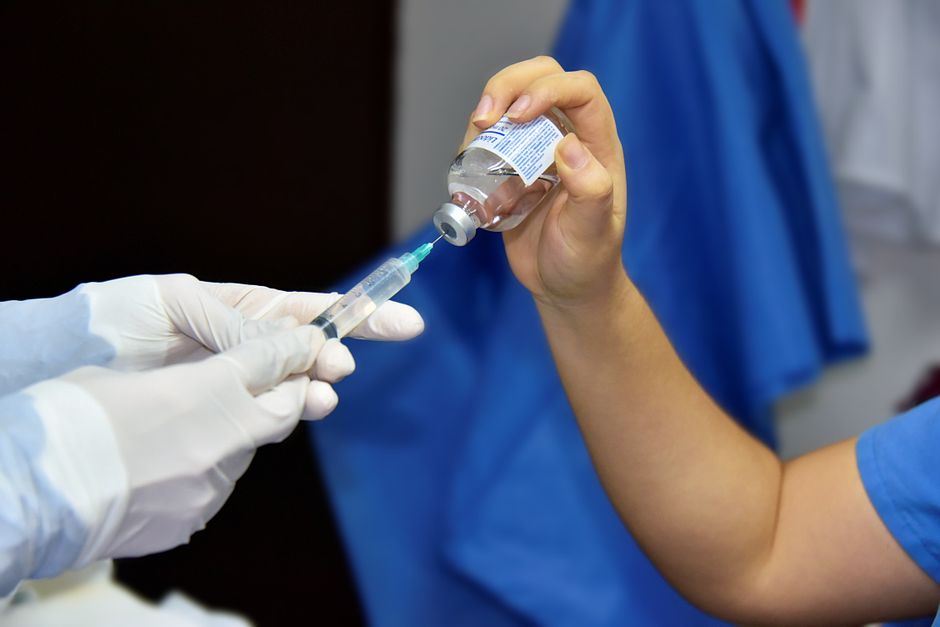
Branded tirzepatide comes in pre-filled, single-dose auto-injector pens. You simply press the pen against your skin, click the button, and wait for the retraction click. It is highly convenient but can sometimes face supply shortages.
Because of these shortages, Compounded Tirzepatide has become a popular route. Compounded medications are prepared by specialized compounding pharmacies and typically arrive in multi-dose glass vials. Instead of an automatic pen, you use a sterile U-100 insulin syringe to manually draw up your dose.
When using compounded versions, you must pay close attention to unit conversion. Because different compounding pharmacies mix tirzepatide at different concentrations, “milligrams (mg)” do not always equal the same number of “units” on a syringe.
For example:
- If your vial concentration is 20 mg/mL, a 5 mg dose requires drawing up exactly 25 units on a standard U-100 syringe.
- If your vial concentration is 10 mg/mL, that same 5 mg dose would require drawing up 50 units.
Always verify the concentration printed on your vial’s label and consult your medical team before injecting. For a comprehensive comparison of how these treatments stack up against other options, read our analysis of Tirzepatide vs Semaglutide.
Frequently Asked Questions About Tirzepatide Dosing
Navigating a new medication comes with plenty of questions. Here are some of the most common inquiries we receive at our Texas clinics.
Can I stay on a lower dose of tirzepatide long-term?
Absolutely. One of the most modern approaches to tirzepatide therapy is finding your personal lowest effective dose. If you are on the 5 mg or 10 mg dose, losing a steady 1 to 2 pounds per week, and experiencing minimal side effects, there is no medical requirement to escalate to 15 mg. Staying at a lower maintenance dose can save money, reduce the risk of side effects, and still provide incredible long-term health benefits.
How do I know if my tirzepatide dose is too high?
If your dose is too high for your system to comfortably process, your body will let you know. Watch out for:
- Persistent, severe nausea that prevents you from eating or drinking.
- Continuous vomiting or diarrhea that leads to dizziness and signs of dehydration.
- Extreme fatigue that does not improve after a few weeks on a new dose level.
If you experience these symptoms, contact your healthcare provider immediately. They will likely recommend holding your next dose or stepping back down to the previous level on the tirzepatide dosage chart.
What are the key contraindications for tirzepatide?
While tirzepatide is a game-changer for many, it is not suitable for everyone. Major contraindications include:
- A personal or family history of Medullary Thyroid Carcinoma (MTC).
- Multiple Endocrine Neoplasia syndrome type 2 (MEN 2).
- A history of severe hypersensitivity or allergic reactions to tirzepatide.
- Prior episodes of severe pancreatitis.
- Severe gastroparesis (paralyzed stomach).
Always share your complete medical history with your doctor during your consultation.
Conclusion
Finding the right rhythm with the tirzepatide dosage chart is a highly personalized process. Whether you are starting at the introductory 2.5 mg dose or finding your long-term sweet spot at 10 mg, having professional, medically supervised guidance ensures your journey is both safe and highly effective.
At the Plastic and Cosmetic Center of South Texas in San Antonio and Austin, we believe in looking at your body in three dimensions. Rapid weight loss is an incredible achievement, but it can sometimes leave behind loose skin or change your natural contours. By combining expert metabolic management with our world-class aesthetic and body contouring procedures, we help you achieve the healthy, toned look you deserve.
Are you ready to take control of your metabolic health? Learn more about Compounded Tirzepatide and schedule a comprehensive consultation with our board-certified team today.


