


Quick Answer for Semaglutide Weight Loss Seekers:
- What is it? Semaglutide is a medication initially used for Type 2 diabetes, now also FDA-approved for weight loss.
- How does it work? It acts on brain regions to reduce appetite and on the stomach to slow digestion, making you feel fuller for longer.
- Is it effective? Yes, it has shown significant weight loss results in obese and overweight adults when combined with diet and exercise.
- Who can use it? Adults who are obese or overweight with at least one weight-related condition (like high blood pressure).
In the search for effective weight loss solutions, the recent approval of semaglutide by the U.S. Food and Drug Administration (FDA) has brought new hope. Originally developed as a treatment for Type 2 diabetes, semaglutide’s ability to significantly reduce weight has made it an intriguing option for those struggling with obesity or overweight issues. This detailed guide aims to cut through the medical jargon and provide you with straightforward insights into the efficacy of semaglutide for weight loss.
Understanding semaglutide’s dual impact not only on managing blood sugar levels but also on promoting weight loss by suppressing appetite and delaying stomach emptying highlights its potential. However, underscore that semaglutide is not a one-size-fits-all solution. Just like any other medical treatment, its effectiveness varies from person to person, and incorporating it into a broader lifestyle change encompassing diet and exercise remains crucial.
As we delve deeper into semaglutide’s role in weight loss, keep in mind the importance of a holistic approach to obesity management, one that marries medication with lifestyle adjustments for the most impactful outcomes.
Understanding Semaglutide
Semaglutide is a game-changer in weight management and diabetes care. Let’s break down what makes it such a standout treatment option.
GLP-1 RAs: A Quick Overview
First off, GLP-1 RAs stands for glucagon-like peptide-1 receptor agonists. These are a type of medication that work by mimicking a hormone in your body that’s naturally released when you eat. This hormone plays a big role in controlling your blood sugar and making you feel full.
Antidiabetic: How Semaglutide Helps
For folks with Type 2 diabetes, managing blood sugar is crucial. Semaglutide shines here by boosting insulin production when your blood sugar is high. Insulin is a hormone that helps your body use or store the blood sugar you get from food. So, semaglutide can help keep blood sugar levels more stable.
Anti-obesity: The Weight Loss Connection
Now, onto the weight loss part. Semaglutide’s ability to make you feel fuller for longer can lead to eating less and, in turn, weight loss. It’s like having a natural appetite suppressant at your service. Plus, by slowing down how quickly your stomach empties food, it helps reduce the urge to snack between meals.
The Big Picture
When we put it all together, semaglutide is a powerful tool not just for people with diabetes, but also for those struggling with obesity. It tackles two major issues: high blood sugar and excessive weight. By doing so, it opens up a path to healthier living and reduces risks associated with obesity, like heart disease and stroke.
Remember: While semaglutide can be a key part of managing diabetes and losing weight, it’s not a solo act. A balanced diet and regular exercise are vital partners in this journey.
We’ll dive into the real-world impacts of semaglutide on weight loss, backed by studies and research. Stay tuned to see how this medication is transforming lives by offering a new approach to tackling obesity and its related health concerns.
Moving on, we’ll explore semaglutide’s weight loss efficacy, including significant weight loss achievements and its role in chronic metabolic disease management.
How Semaglutide Promotes Weight Loss
When it comes to shedding pounds, semaglutide has become a game-changer for many. But how does it work? Let’s break it down into simple terms.
Appetite Reduction
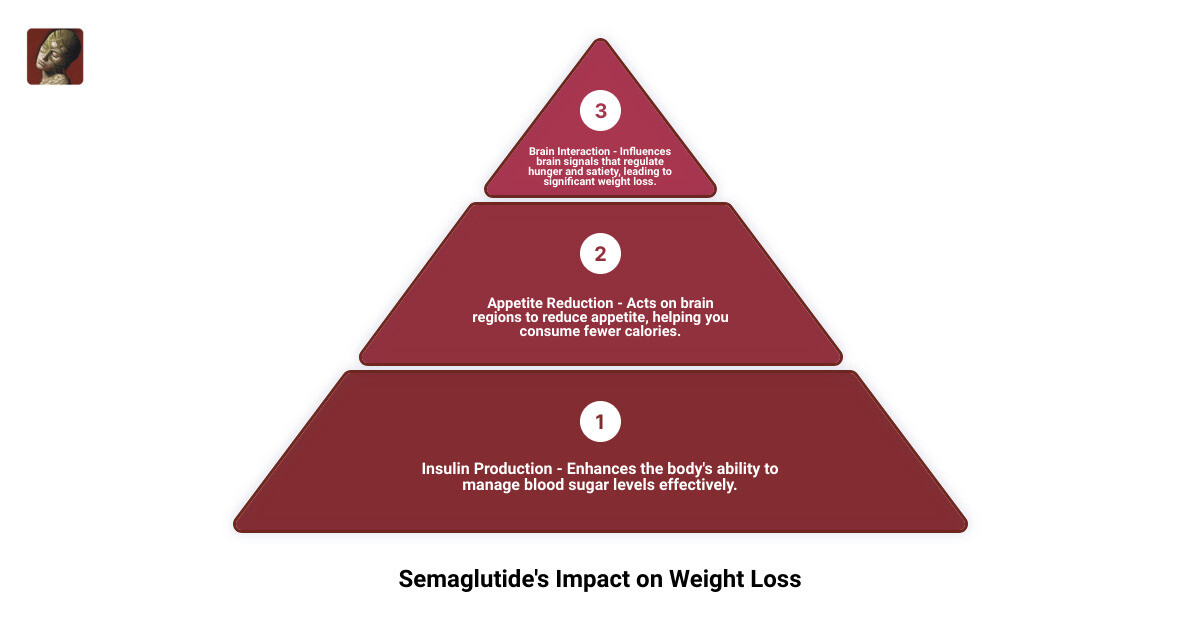
First off, semaglutide plays a big role in how full you feel. Imagine you just had a big meal. Your stomach sends signals to your brain saying, “Hey, we’re full here, no more food needed!” Semaglutide works similarly by mimicking a hormone in your gut. This hormone, GLP-1, is naturally released when you eat and tells your brain that you’re satisfied. So, with semaglutide, you end up feeling full longer and naturally eat less.
Insulin Production
Next up, let’s talk about sugar – not the kind you sprinkle on your cereal, but the type your body uses for energy. For folks with Type 2 diabetes, managing blood sugar is a big deal. Semaglutide steps in by encouraging your body to produce more insulin after you eat. Insulin is like a key that lets sugar move from your blood into your cells where it’s used for energy. So, more insulin means better sugar management and less sugar hanging around in your blood.
Brain Interaction
Lastly, semaglutide has a chat with your brain. Besides making you feel full, it interacts with the parts of your brain that control appetite. Think of it as turning down the volume on your hunger. You’re less likely to snack or overeat because your brain is getting signals that you don’t need more food.
Real-life Impact

Consider the story of someone who’s struggled with weight for years, trying every diet under the sun without lasting success. After starting semaglutide, they notice a significant change: they’re not as hungry, and they feel full with smaller portions. Over time, this leads to substantial weight loss, improved energy, and a better quality of life.
In Summary
Semaglutide helps with weight loss by:
- Making you feel fuller for longer, so you eat less.
- Boosting insulin production after meals, helping manage blood sugar levels.
- Interacting with your brain to reduce appetite.
Together, these actions offer a powerful tool against obesity, especially when combined with a healthy diet and regular exercise. It’s not just about losing weight; it’s about taking control of your health and finding a new way to live your best life.
In the next section, we’ll dive deeper into the real results and studies behind semaglutide weight loss, showing just how effective this medication can be for those who’ve struggled to lose weight through diet and exercise alone.
Semaglutide Weight Loss: Real Results and Studies
When it comes to weight loss, semaglutide is not just another drop in the ocean. It’s a beacon of hope for many. Let’s look at how it’s changing lives and what the science says.
Significant Weight Loss:
A groundbreaking study revealed that adults who combined semaglutide with diet and exercise saw a remarkable reduction in their body weight. Imagine this: half of the participants lost 15% of their body weight, and nearly one-third waved goodbye to 20% of their weight. To put this in perspective, those who didn’t take semaglutide but made similar lifestyle changes saw only a 2.4% decrease in weight. That’s a big difference.
Obesity Management:
Obesity isn’t just about extra pounds; it’s a chronic condition that affects millions. Semaglutide steps in as a powerful tool, not just for shedding weight but for managing obesity long-term. Dr. Vijaya Surampudi from UCLA highlighted the importance of treating obesity as a chronic metabolic disease, rather than a simple lack of willpower. Semaglutide, by reducing appetite and influencing how the brain perceives hunger, becomes a critical ally in this ongoing battle.
Chronic Metabolic Disease:
Treating obesity goes beyond the scale; it’s about improving overall health. Semaglutide’s impact extends to lowering the risk of conditions often associated with obesity, such as heart disease, type 2 diabetes, and certain cancers. It’s not just about losing weight; it’s about gaining health.
But, semaglutide is not a one-size-fits-all solution. It requires commitment to a healthier lifestyle, including diet and exercise. It’s also not suitable for everyone; its use must be carefully considered by healthcare providers, especially for those with specific health conditions.
Despite these considerations, the results and studies are clear: semaglutide offers a promising path for those struggling with obesity. It’s a tool that, when used correctly and under medical supervision, can lead to significant health improvements.
In the next section, we’ll explore the side effects and considerations to keep in mind when considering semaglutide for weight loss, ensuring you have all the information you need to make an informed decision.
Side Effects and Considerations
When it comes to semaglutide weight loss, it’s not just about the benefits. Like any medication, there are side effects and important considerations to be aware of. Let’s break these down in simple terms.
Dizziness and Fatigue
Some people might feel a bit dizzy or unusually tired after taking semaglutide. It’s like when you haven’t had enough sleep, and everything feels a bit off.
Gastrointestinal Issues
This is the most common side effect. Imagine your stomach and intestines are on a roller coaster – that’s what it can feel like. You might experience:
- Diarrhea: Running to the bathroom more often.
- Constipation: The opposite problem, where things are moving too slow.
- Gassiness: Feeling bloated or like you need to pass gas more often.
Stomach Issues
Your stomach might also join the not-so-fun ride with:
- Nausea: Feeling like you might throw up.
- Vomiting: Actually throwing up.
- Pain or Distension: Your stomach might hurt or feel uncomfortably full.
The good news is, these side effects often lessen as your body adjusts to the medication. Starting with a lower dose and gradually increasing it can also help reduce these side effects.
FDA Recommendations
The FDA has given semaglutide the green light for weight loss, but with some advice. It’s for adults who:
- Have a BMI of 27kg/m2 or more with at least one weight-related condition like high blood pressure or Type 2 diabetes.
- Or, have a BMI of 30kg/m2 or more.
But, there are some people who should steer clear of semaglutide, including those with:
- A history of medullary thyroid cancer.
- A history of gallbladder disease.
- A history of pancreatitis.
- Multiple endocrine neoplasia syndrome type 2 (MEN2).
It’s like choosing the right tool for a job. Not every tool is fit for every task.
Making the Decision
Before jumping on the semaglutide train, talk to your doctor. They can help you weigh the pros and cons based on your personal and family medical history. And if you’re already managing diabetes with medication, it’s crucial to discuss safe combinations.
In short, semaglutide weight loss comes with its share of side effects and considerations. But with the right guidance and careful monitoring, it can be a valuable ally in your weight loss journey. Just remember, it’s not a magic pill. A balanced diet and regular exercise are still your best friends on this journey.
Moving on, you might have some questions about semaglutide. Let’s tackle some of the most common ones in the next section.
Frequently Asked Questions about Semaglutide Weight Loss
Is Semaglutide Safe for Everyone?
No, semaglutide isn’t safe for everyone. There are a few important no-go zones for this medication. If you have a history of medullary thyroid cancer, gallbladder disease, pancreatitis, or multiple endocrine neoplasia syndrome type 2 (MEN2), you should steer clear of semaglutide. It’s also worth noting that its safety in patients with a history of pancreatitis isn’t well-established. Plus, we don’t yet know if it’s safe for kids under 12.
Always start by talking with your primary care physician. They know your health history and can say if semaglutide is a good fit for you.
How Long Should I Use Semaglutide for Weight Loss?
Semaglutide is seen as a long-term treatment option for managing obesity. It’s not just a quick fix but part of a bigger plan for lasting health changes. Significant weight loss usually starts to show around the 12-week mark, but sticking with it is key. Your healthcare provider will guide you on how long you should use it, based on your health and progress.
Consistency and patience are your allies here. And don’t forget, stopping semaglutide suddenly means there’s a high chance the weight might come back.
Can Semaglutide Be Used Alongside Other Medications?
Yes, but with caution. Semaglutide can interact with other medications, so it’s crucial to have a chat with your doctor about everything you’re taking. This includes over-the-counter meds and supplements. Your doctor will help you understand which combinations are safe and which to avoid.
If you’re managing diabetes with other medications, this conversation becomes even more important. You want to ensure that all your treatments work together, not against each other.
In summary, semaglutide weight loss treatment has its place in managing obesity, but it’s not a one-size-fits-all solution. Safety first: check with your doctor to see if it’s right for you, commit to the long haul, and always consider how it fits with your other treatments. With the right approach, semaglutide can be a powerful tool in your weight loss toolkit.
Next, we’ll dive into how making lifestyle changes can enhance your journey with semaglutide, and how the Plastic and Cosmetic Center of South Texas can support you in achieving your health goals.
Conclusion
When it comes to managing weight, semaglutide weight loss treatment is a promising option that has garnered attention for its effectiveness. However, it’s crucial to remember that this medication is not a standalone solution. To make the most out of semaglutide, incorporating lifestyle changes is essential. This includes a balanced diet, regular physical activity, and overall healthy living habits.
At the Plastic and Cosmetic Center of South Texas, we understand that weight loss is a personal and unique journey for each individual. Our team is committed to providing comprehensive support that goes beyond medication. We believe in a holistic approach to weight management, which is why we emphasize the importance of lifestyle modifications alongside semaglutide treatment.
Lifestyle Changes
Adopting a healthier lifestyle is key to maximizing the benefits of semaglutide and sustaining weight loss in the long term. Here are some tips:
- Eat a Nutritious Diet: Focus on whole foods, such as fruits, vegetables, lean proteins, and whole grains. Reducing intake of processed foods and sugary drinks can also contribute to better health outcomes.
- Stay Active: Aim for at least 150 minutes of moderate-intensity exercise each week. This can include walking, cycling, swimming, or any other activities you enjoy.
- Get Adequate Sleep: Ensure you’re getting enough rest each night. Poor sleep can affect your appetite and energy levels, making it harder to maintain a healthy weight.
- Manage Stress: Chronic stress can lead to overeating and weight gain. Techniques such as meditation, yoga, or deep breathing exercises can help manage stress levels.
Plastic and Cosmetic Center of South Texas
Our center is more than just a place for treatments. We’re a supportive community dedicated to helping you achieve and maintain your weight loss goals. Our experts are here to guide you through the process, from initial consultation to post-treatment follow-up. We offer personalized care plans tailored to your unique needs and preferences.
If you’re considering semaglutide for weight loss, we invite you to schedule a consultation with us. Our team will evaluate your health status, discuss your goals, and determine if semaglutide is the right option for you. We’ll also provide insights into lifestyle modifications that can enhance your results and ensure long-lasting success.
Achieving a healthy weight is a journey that involves both medical treatments and lifestyle changes. The Plastic and Cosmetic Center of South Texas is here to support you every step of the way. Together, we can work towards a healthier, happier you.


