


Introduction
Panniculectomy before and after photos provide a powerful testament to the transformative impact of this surgery on body contours. If you’re looking for quick highlights, here’s what you need to know:
- Overview: A procedure to remove excess skin and fat from the lower abdomen.
- Expectations: Significant improvements in body shape and personal hygiene.
- Impact: Boosted self-confidence and enhanced mobility.
A panniculectomy is a surgical procedure that removes the pannus—excessive amounts of stretched-out, hanging skin often referred to as an “apron.” This procedure is particularly beneficial for those who have experienced massive weight loss, like our referenced 42-year-old patient who lost 170 lbs post-gastric bypass. The removal of the pannus not only improves the appearance but also resolves issues related to hygiene and skin irritation. The end results can be life-changing, offering both physical relief and a renewed sense of self-confidence.
I’m Dr. Thomas Jeneby, with over two decades of experience in plastic and cosmetic surgery. I have personally overseen thousands of panniculectomy before and after cases, transforming lives and enhancing body contours for my patients.
What is Panniculectomy?
A panniculectomy is a surgical procedure designed to remove excess skin and fat from the lower abdomen. This overhanging skin, often referred to as a “pannus” or “abdominal apron,” can result after significant weight loss, pregnancy, or due to aging. Unlike a tummy tuck, a panniculectomy primarily focuses on removing this excess tissue without tightening the abdominal muscles.
Purpose
The primary goal of a panniculectomy is to improve both physical comfort and appearance. Excess skin can cause various issues such as:
- Hygiene problems: The skin folds can trap moisture, leading to skin irritation, infections, and unpleasant odors.
- Physical discomfort: The weight of the pannus can cause back pain and difficulties in physical activities.
- Self-confidence: Removing the pannus can significantly boost a person’s self-esteem and body image.
Dr. Chad Robbins, a board-certified plastic surgeon from Nashville, emphasizes that a panniculectomy can be life-changing, offering not just aesthetic benefits but also resolving chronic skin issues and improving overall quality of life.
Comparison with Tummy Tuck
While both procedures aim at improving the abdominal area, there are key differences between a panniculectomy and a tummy tuck:
| Feature | Panniculectomy | Tummy Tuck (Abdominoplasty) |
|---|---|---|
| Focus | Removal of excess skin and fat | Removal of excess skin and fat, plus tightening of abdominal muscles |
| Incision | Typically extends from hip to hip | Similar incision, often also around the navel |
| Muscle Repair | No muscle tightening | Involves tightening of abdominal muscles |
| Purpose | Primarily functional and cosmetic | Primarily cosmetic with some functional benefits |
A tummy tuck is more comprehensive, addressing both the skin and muscle layers to create a flatter and more toned abdomen. This is often the procedure of choice for those looking to improve their overall abdominal contour. However, a panniculectomy is ideal for individuals whose main concern is the removal of excess skin, particularly after significant weight loss.
Dr. Thomas Jeneby, with over two decades of experience, notes that many of his patients choose a panniculectomy for its functional benefits. For example, one patient who lost 90 pounds after a gastric sleeve surgery found that removing the pannus not only improved her appearance but also alleviated back pain and skin irritation, making everyday activities more comfortable.
In summary, while both procedures offer transformative results, the choice between a panniculectomy and a tummy tuck depends on individual needs and goals. If you are primarily concerned with excess skin and its associated issues, a panniculectomy might be the right option for you.
The Medical Necessity of Panniculectomy
Criteria
A panniculectomy is not just a cosmetic procedure. It’s often deemed medically necessary for individuals experiencing significant health issues due to excess skin and fat in the lower abdomen. Criteria for this surgery typically include:
- Severe skin irritation: Chronic rashes and infections in the skin folds.
- Mobility issues: Difficulty in walking or performing daily activities.
- Hygiene problems: Challenges in maintaining cleanliness due to excess skin.
For example, a 42-year-old woman who lost 170 lbs after gastric bypass surgery opted for a panniculectomy to remove the excess skin causing her rashes. Her case highlights the health benefits beyond appearance.
Chronic Conditions
Excess abdominal skin can lead to several chronic conditions that impact quality of life. These include:
- Intertrigo: A rash in skin folds that can become infected.
- Back pain: The weight of the pannus can strain the back.
- Ulcers and sores: Persistent skin issues due to trapped moisture.
Dr. Chad Robbins, a board-certified plastic surgeon, notes that many of his patients seek panniculectomy not just for cosmetic reasons but to alleviate chronic discomfort and improve overall well-being.
Insurance Coverage
Navigating insurance for panniculectomy can be complex but manageable with the right information. Insurance companies often distinguish between medically necessary and elective procedures:
- Medically Necessary: If the panniculectomy is required to address health issues like severe skin infections or mobility problems, insurance is more likely to cover it.
- Elective: If the procedure is purely for cosmetic reasons, it’s typically not covered.
Steps to ensure coverage:
1. Read Your Policy: Look for sections on reconstructive or medically necessary surgery.
2. Consult Your Surgeon: Surgeons like Dr. Robbins can provide documentation and insights to support your case.
3. Seek Pre-Authorization: Get prior approval from your insurance to confirm the procedure is deemed medically necessary.
In summary, understanding the medical necessity of panniculectomy can help in getting insurance coverage and improving your quality of life.
Next, we’ll explore the visual evidence of panniculectomy’s impact by diving into before and after photos and patient stories.
Panniculectomy Before and After: Visual Evidence
Seeing is believing when it comes to understanding the impact of a panniculectomy. The transformation can be remarkable, both visually and emotionally. Here, we’ll dive into the before and after photos, patient stories, and the overall transformation that this procedure can bring.
Photos
Visual evidence is one of the most compelling ways to grasp the effectiveness of a panniculectomy. Before and after photos show dramatic changes in body contours, highlighting the removal of excess skin and fat. For example, Patient 1‘s photos reveal a significant reduction in the abdominal “apron,” resulting in a smoother, more toned appearance.
These visual transformations are not only aesthetic but also functional. Patients often report improved personal hygiene and comfort, as the removal of excess skin helps prevent rashes and infections.
Patient Stories
Hearing from those who have undergone the procedure can provide deeper insights. Take Patient 7, a 42-year-old woman who lost 170 lbs after gastric bypass surgery. She struggled with excess abdominal skin that caused rashes. After her panniculectomy, she shared that she felt more confident and comfortable in her skin, literally and figuratively.
“The surgery changed my life. I can now wear clothes that fit better and feel more comfortable. The rashes and discomfort are gone,” says Patient 7.
Another story is that of Patient 9, who had a fleur-de-lis panniculectomy. This procedure involved both vertical and horizontal intersecting scars, but the results were well worth it. The patient’s photos, taken three months apart, show a remarkable transformation.
Transformation
The impact of a panniculectomy goes beyond physical changes. It can significantly boost self-esteem and quality of life. Patients often find themselves more active and willing to participate in social activities. The physical relief from the removal of excess skin can also lead to better posture and less back pain.
In short, the before and after photos and patient stories provide compelling evidence of the life-changing benefits of a panniculectomy. Next, we’ll delve into the procedure itself, explaining the surgical steps, techniques, and anesthesia involved.
The Procedure Explained
Surgical Steps
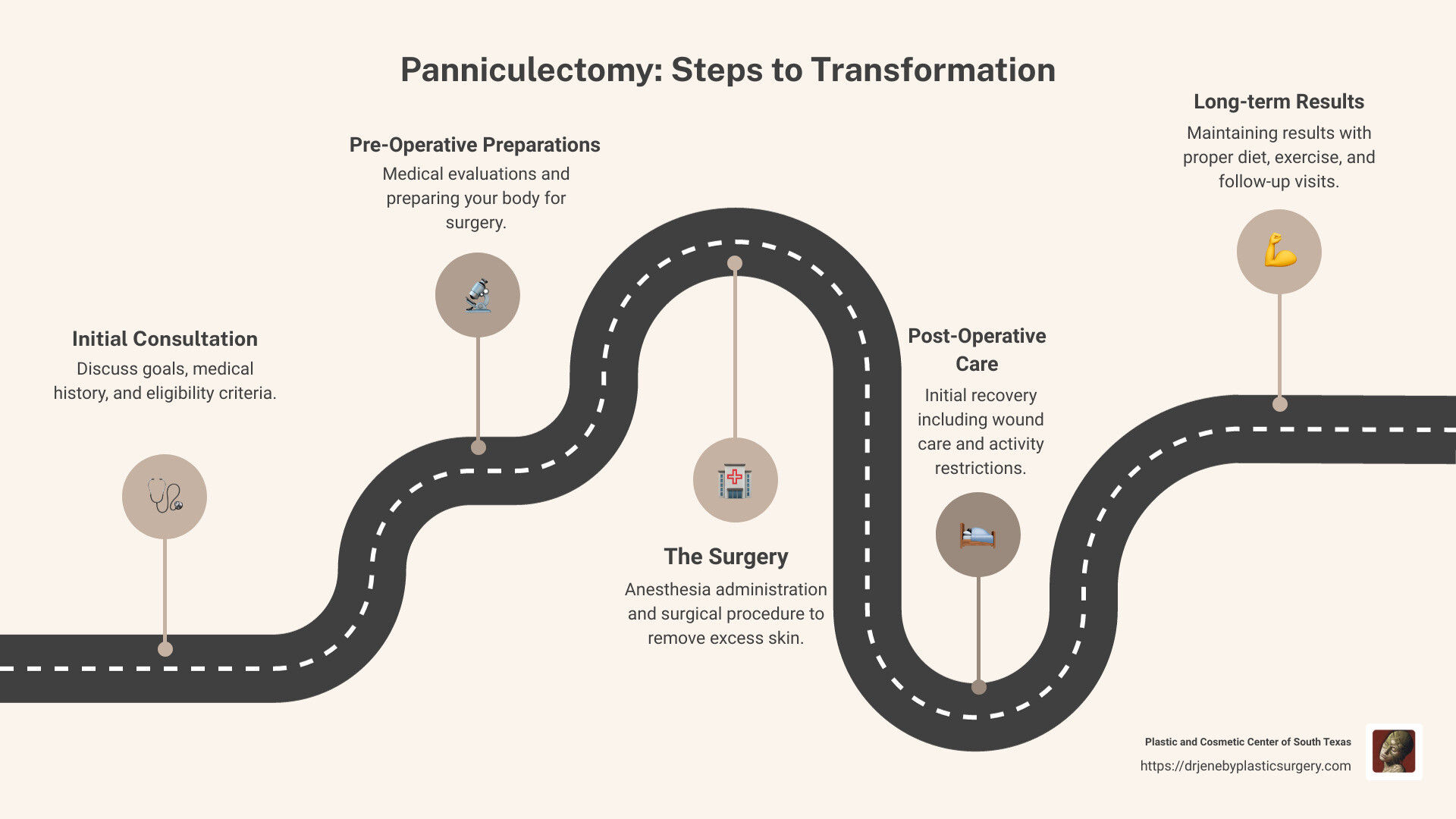
A panniculectomy involves several key steps. First, the surgeon marks the areas of excess skin to be removed. This is crucial for ensuring precise results.
Next, the patient is prepped for surgery and anesthesia is administered. The surgeon then makes an incision, usually from hip to hip, right above the pubic area. This incision allows access to the excess skin and fat, known as the pannus.
Once the incision is made, the surgeon removes the unwanted skin and fat. In some cases, additional procedures like hernia repairs may be performed simultaneously. Finally, the remaining skin is stretched down and sutured closed. Drains may be placed to prevent fluid buildup.
Techniques
There are different techniques for performing a panniculectomy, depending on the patient’s needs.
- Standard Panniculectomy: This involves removing just the excess skin and fat without affecting the abdominal muscles.
- Extended Panniculectomy: In cases of severe excess skin, the incision might extend to the back to remove even more tissue.
- Combination with Other Procedures: Sometimes, a panniculectomy is combined with other surgeries like hernia repair or liposuction for optimal results.
Each technique has its own set of advantages and is chosen based on the patient’s unique condition.
Anesthesia
Anesthesia is a critical part of the panniculectomy procedure. It ensures that the patient feels no pain during the surgery. There are two main types of anesthesia used:
- General Anesthesia: This puts the patient into a deep sleep, ensuring they are completely unconscious and pain-free during the procedure.
- Local Anesthesia with Sedation: This numbs the specific area while keeping the patient relaxed and drowsy but not fully asleep.
The choice of anesthesia depends on the complexity of the surgery and the patient’s medical history. Most panniculectomies are performed under general anesthesia to ensure maximum comfort and safety.
Understanding these steps, techniques, and anesthesia options can help you feel more prepared and confident as you consider a panniculectomy. Next, we’ll explore the recovery process and what you can expect in the weeks following your surgery.
Recovery and Care Post-Panniculectomy
Recovery from a panniculectomy is a journey that requires patience and careful attention to care instructions. Here’s what you need to know about healing time, activity restrictions, and care tips to ensure a smooth recovery.
Healing Time
Recovery typically lasts from a few weeks to a couple of months, depending on the extent of the surgery and individual healing rates.
Key milestones:
– First Week: Initial healing phase with swelling and bruising. Follow-up visits to monitor progress.
– Two Weeks: Reduction in swelling and pain. Stitches or staples might be removed.
– Six Weeks: Most patients can resume light activities. Strenuous activities are still off-limits.
– Two Months: Full recovery for most, though some may take longer.
Tip: Hydrate well and maintain a healthy diet rich in lean protein, fiber, and vitamins to promote faster healing.
Activity Restrictions
To prevent complications, it’s crucial to adhere to activity restrictions during recovery.
Do’s:
– Rest: Take it easy, especially in the first few weeks.
– Move: Gentle walking to promote circulation and prevent blood clots.
– Breathe Deeply and Cough: Use a pillow to support your abdomen and help prevent pneumonia.
Don’ts:
– Avoid Heavy Lifting: No lifting anything over 10 pounds for at least six weeks.
– No Strenuous Exercise: Avoid activities that strain the abdominal area.
– Stay Away from Smoking and Alcohol: These can impede the healing process.
Tip: Follow your surgeon’s instructions on when to resume normal activities and always listen to your body.
Care Tips
Proper post-operative care is essential to minimize complications and ensure optimal results.
- Follow Wound Care Instructions:
- Keep Incisions Clean and Dry: Regularly change dressings as instructed.
Use Antibacterial Soap: Clean the area gently to prevent infection.
Wear a Compression Garment:
- Support Healing: Helps reduce swelling and supports the abdomen.
Follow Duration Guidelines: Wear it as long as your surgeon recommends.
Manage Pain:
- Take Prescribed Medications: Follow the dosage and schedule.
Use Over-the-Counter Pain Relievers: If recommended by your surgeon.
Monitor for Signs of Infection:
- Watch for Redness, Pus, or Fever: These could indicate an infection.
- Contact Your Healthcare Provider: Promptly report any concerning symptoms.
Tip: Consider using scar creams or patches after the incision heals to minimize scarring, and always protect the area from direct sunlight.
By understanding the healing timeline, adhering to activity restrictions, and following these care tips, you can navigate your panniculectomy recovery with confidence and ease.
Next, we’ll address some frequently asked questions to further clarify what you can expect from a panniculectomy.
Frequently Asked Questions about Panniculectomy
Will my stomach be flat after a panniculectomy?
A panniculectomy focuses on removing excess skin and fat from the lower abdomen, which can significantly improve the contour of your stomach. However, it does not tighten abdominal muscles like a full tummy tuck. If you have a lot of loose skin hanging down, you will notice a flatter appearance after the procedure.
Case Study: One patient lost over 90 pounds after a gastric sleeve operation and had a panniculectomy to remove the remaining excess skin. Her transformation was stunning, and she reported a significant boost in self-confidence.
What qualifies you for a panniculectomy?
You might qualify for a panniculectomy if you have a large, hanging pannus (abdominal “apron”) that affects your quality of life. This could include issues with personal hygiene, skin infections, or difficulty with physical activities.
Criteria:
– Massive Weight Loss: Often after bariatric surgery.
– Chronic Conditions: Persistent skin infections or rashes under the pannus.
– Impact on Lifestyle: Difficulty exercising or finding clothes that fit.
Insurance may cover the procedure if it is deemed medically necessary, so consult with your healthcare provider to understand your options.
How much weight comes off with panniculectomy?
The amount of weight removed varies depending on the size of the pannus. It can range from a few pounds to over 20 pounds. However, the primary benefit is not weight loss but the removal of excess skin and improvement in body contour.
Fact: Individual results vary, but many patients report feeling lighter and more comfortable in their own skin after the procedure.
By addressing these common questions, we hope to give you a clearer picture of what to expect from a panniculectomy. If you have more questions, our team at the Plastic and Cosmetic Center of South Texas is here to help.
Conclusion
Results and Satisfaction
The results of a panniculectomy can be life-changing. Patients often report a significant boost in self-confidence and comfort. For example, one patient lost 170 lbs after gastric bypass surgery and had a fleur-de-lis panniculectomy to remove the excess skin. The transformation was remarkable, and the patient no longer suffered from painful rashes caused by the overhanging skin.
Patient stories like these illustrate the profound impact of panniculectomy. Pre-operative and post-operative photos, usually taken three months apart, clearly show the dramatic improvement in body contour. These visual evidences are powerful testimonials to the benefits of the procedure.
Dr. Jeneby Plastic Surgery
At the Plastic and Cosmetic Center of South Texas, we pride ourselves on delivering exceptional results. Dr. Jeneby has performed thousands of surgical procedures, making him one of the most experienced plastic surgeons in San Antonio. His expertise ensures that you receive the highest standard of care.
Our goal is to help you achieve your desired look and feel more comfortable in your own skin. We understand that every patient’s journey is unique, and we are committed to providing personalized care tailored to your needs.
Ready to Transform?
If you are considering a panniculectomy, we invite you to schedule a consultation with us. Seeing is believing—let us help you achieve the transformation you’ve been dreaming of.
Contact us today to learn more about how we can assist you on your journey to a more confident you.


