


How much do breast implants weigh? If you’re asking this question, you’re likely considering breast augmentation or simply curious about the weight of implants. Here’s a quick answer:
- Silicone Implants: Every 100cc weighs about 0.23 pounds (0.10 kg).
- Saline Implants: Every 100cc weighs a bit less, about 0.21 pounds (0.095 kg).
Understanding the weight of breast implants is an essential part of the breast augmentation journey. It impacts not just the surgical procedure and recovery but plays a significant role in choosing the right implants for your body type and lifestyle. Although implants might only add a couple of pounds, knowing their weight can help you make informed decisions that align with your aesthetic goals and medical needs.
I’m Dr. Thomas Jeneby, and I’ve been practicing plastic surgery since 2002. With over 9,000 breast surgeries under my belt, I can guide you through understanding how much do breast implants weigh and how this affects your surgery and recovery. Now, let’s explore further to help you choose the best implants for you, enhancing your beauty and confidence every step of the way.
Simple how much do breast implants weigh glossary:
– breast implant sizes
– types of breast implants
– how long do breast implants last
Understanding Breast Implant Weight
When considering breast augmentation, one of the key questions is how much do breast implants weigh? The weight of breast implants depends on several factors, including the type of implant and its volume. Let’s break it down.
Saline vs. Silicone: The Basics
There are two main types of breast implants: saline and silicone. Each has unique characteristics that influence their weight and feel.
Silicone Implants are filled with a cohesive silicone gel. They are often preferred for their natural feel, closely mimicking real breast tissue. In terms of weight, silicone implants are slightly heavier. For every 100cc, they weigh about 0.23 pounds (0.10 kg).
Saline Implants, on the other hand, are filled with sterile saltwater. They are inserted empty and filled once they’re in place, allowing for more flexible adjustments. These implants weigh a bit less, coming in at approximately 0.21 pounds (0.095 kg) per 100cc.
Weight Differences
While the weight difference between saline and silicone implants is minimal, it can add up depending on the implant size. For instance, a pair of 300cc silicone implants would weigh about 1.38 pounds, whereas saline implants of the same volume would weigh around 1.26 pounds.
Volume Measurement: The CC Factor
Breast implants are measured in cubic centimeters (cc), not bra cup sizes. This volume measurement is crucial because it determines the implant’s weight and the overall change in breast size.
Here’s a simple conversion for reference:
- 100cc of Silicone = 0.23 pounds
- 100cc of Saline = 0.21 pounds
Understanding these measurements helps in selecting the right implant size for your body frame and desired outcome.

In conclusion, while the weight differences between saline and silicone implants are slight, they are an important consideration in your breast augmentation decision. Knowing these details ensures you choose implants that align with your body and lifestyle, ultimately enhancing your confidence and satisfaction with the results.
How Much Do Breast Implants Weigh?
When contemplating breast augmentation, understanding how much do breast implants weigh is crucial. The weight of the implants is determined by their volume, measured in cubic centimeters (cc), and the material used—either saline or silicone.
Weight Calculation
To calculate the weight of breast implants, you need to convert their volume from cc to pounds. This is a straightforward process:
- Silicone Implants: Weigh about 0.23 pounds for every 100cc.
- Saline Implants: Weigh approximately 0.21 pounds per 100cc.
For example, if you choose 300cc silicone implants, they would weigh around 0.69 pounds each. This means a pair would add approximately 1.38 pounds to your body weight.
CC to Pounds Conversion
Here’s a quick reference table to help you visualize the weight of various implant volumes:
| Implant Volume (cc) | Silicone Weight (pounds) | Saline Weight (pounds) |
|---|---|---|
| 100 | 0.23 | 0.21 |
| 200 | 0.46 | 0.42 |
| 300 | 0.69 | 0.63 |
| 400 | 0.92 | 0.84 |
| 500 | 1.15 | 1.05 |
This table shows that while the weight difference between saline and silicone is small, it can become noticeable with larger implant sizes.
Understanding the weight of implants is essential for making informed decisions about your breast augmentation. This knowledge ensures that your chosen implants complement your body type and lifestyle, contributing to a satisfying outcome.
Factors Influencing Implant Weight
When considering breast implants, several factors can influence the overall weight you might experience post-surgery. Let’s break down these key elements to give you a clearer picture.
Implant Size
The size of the implant is one of the most significant factors affecting its weight. Larger implants, measured in cubic centimeters (cc), naturally weigh more. For instance, a 300cc implant will weigh more than a 200cc implant, regardless of whether it’s filled with saline or silicone.
Choosing the right size is crucial. As implants get larger, the weight difference between saline and silicone becomes more apparent, as shown in our previous table. Consider your body proportions and lifestyle when selecting an implant size to ensure comfort and satisfaction.
Fluid Retention
Post-surgery fluid retention is common and can temporarily affect your weight. After surgery, your body may retain fluids due to inflammation and the healing process. This can add a few pounds to your scale, which is perfectly normal and usually resolves within a couple of weeks.
Dr. Omar Tillo notes that fluid retention can cause weight gain of up to 10 or 15 pounds immediately after surgery. This is temporary, and avoiding the scale for the first 10 days can help reduce stress about weight fluctuations.
Post-Surgery Weight Gain
Apart from fluid retention, other factors can contribute to weight gain after surgery. The medications and anesthesia used during the procedure can lead to temporary weight increases. Plus, reduced activity levels during recovery can also play a part.
Interestingly, many patients find that procedures like liposuction can show the most weight gain immediately post-op. However, this is usually short-lived. Staying active, as advised by your surgeon, and maintaining a healthy diet can help manage any potential weight gain during recovery.
Understanding these factors ensures that you have realistic expectations about weight changes after breast augmentation. This knowledge helps you focus on healing and enjoying your new look without unnecessary stress.
Silicone vs. Saline: Which is Heavier?
When choosing breast implants, a common question is: Which is heavier, silicone or saline? Let’s break it down.
Silicone Gel
Silicone implants are filled with a cohesive gel that mimics the feel of natural breast tissue. In terms of weight, silicone implants are slightly heavier than their saline counterparts. For example, every 100cc of silicone implant weighs about 0.23 pounds. This means a 300cc silicone implant would weigh approximately 0.69 pounds.
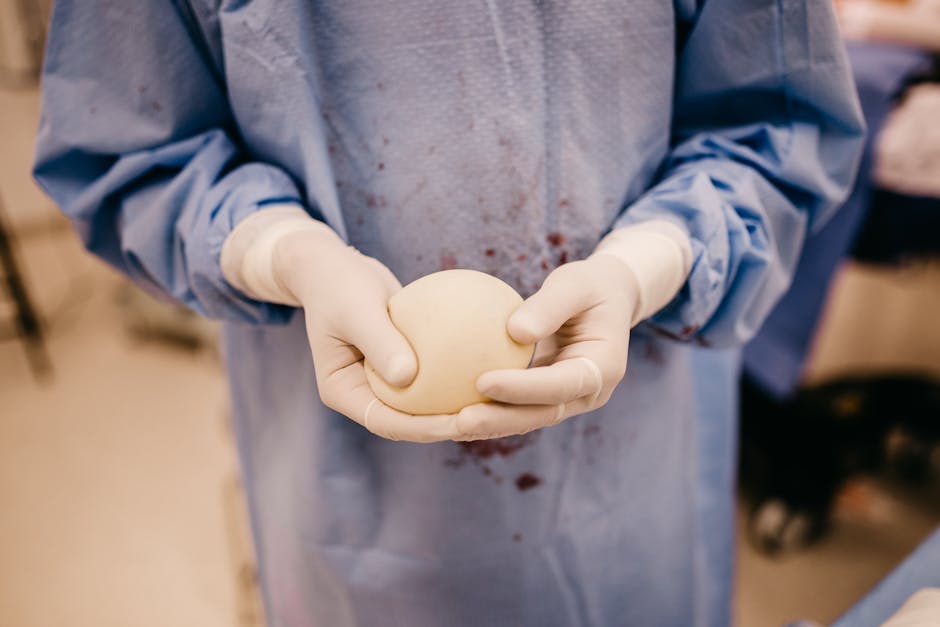
Saline Solution
Saline implants, on the other hand, are filled with sterile saltwater. They are inserted empty and then filled to the desired size once in place. Weight-wise, saline implants are a bit lighter. A 100cc saline implant weighs around 0.21 pounds, making a 300cc saline implant weigh about 0.63 pounds.
Weight Comparison
Although the difference in weight between silicone and saline is small, it’s important to consider if you’re opting for larger implants. Silicone implants are generally about 0.02 pounds heavier per 100cc than saline implants.
Here’s a quick comparison:
| Implant Volume (cc) | Silicone Weight (lbs) | Saline Weight (lbs) |
|---|---|---|
| 100 | 0.23 | 0.21 |
| 300 | 0.69 | 0.63 |
| 500 | 1.15 | 1.05 |
While the weight difference is minimal, it can be more noticeable with larger implants. Choosing between silicone and saline depends on your personal preferences and what feels most comfortable for you.
Understanding these weight differences helps you make an informed decision about which implant type best suits your needs. This knowledge is a crucial part of feeling confident in your breast augmentation journey.
Frequently Asked Questions about Breast Implant Weight
How much do breast implants add to your weight?
When considering how much breast implants weigh, understand that the added weight depends on the implant size. For instance, a pair of 240cc silicone implants would add about one pound to your overall weight. This is a relatively minor increase, especially when you consider daily weight fluctuations. On the larger end, 800cc implants can add up to 2 pounds or more. That the weight of the implants should be proportionate to your body to avoid discomfort.
Are breast implants heavier than real breasts?
Natural breast tissue and breast implants have different compositions, which influences their weight. Natural breasts consist of glandular tissue and fat, while implants are made of silicone or saline. Generally, breast implants may feel heavier because they are more dense than natural breast tissue. However, the perception of weight also depends on the implant size and how well they fit with your body frame.
How much do size D breast implants weigh?
A common question is about the weight of size D breast implants. D-cup breast implants typically range from 400cc to 500cc. Using the weight calculations earlier, a 400cc silicone implant would weigh about 0.92 pounds, while a 500cc one would weigh around 1.15 pounds. Cup sizes can vary between individuals, and the same volume might not always translate to a D-cup for everyone. The focus should be on achieving the desired look and feel rather than a specific cup size.
Understanding these aspects of implant weight can help you set realistic expectations and choose the best option for your body. This knowledge empowers you to make informed decisions about your breast augmentation journey.
Conclusion
At the Plastic and Cosmetic Center of South Texas, we understand that choosing breast implants is a significant decision. Our team of experienced, board-certified plastic surgeons is dedicated to ensuring that you make the best choice for your body and lifestyle.
Patient satisfaction is our top priority. We believe that every patient deserves to feel confident and comfortable with their decision. This is why we spend time discussing your goals and preferences. Our approach is personalized, ensuring that the implant size and type you choose will improve your natural beauty and fit seamlessly with your frame.
When it comes to implant choice, we offer a range of options. Whether you’re considering silicone or saline implants, our team will guide you through the benefits and considerations of each. Our goal is to help you achieve the look you desire while maintaining comfort and proportion.
We also recognize that the financial aspect of surgery can be daunting. That’s why we provide in-house financing options, making it easier for you to access the care you need without compromising your financial stability.
Breast augmentation is about more than just physical change—it’s about boosting your self-confidence and enhancing your quality of life. We are here to support you every step of the way, ensuring that your journey is as smooth and satisfying as possible. If you’re ready to take the next step, reach out to us today to schedule your consultation.


