


The Road to Recovery: What to Expect After a Tummy Tuck
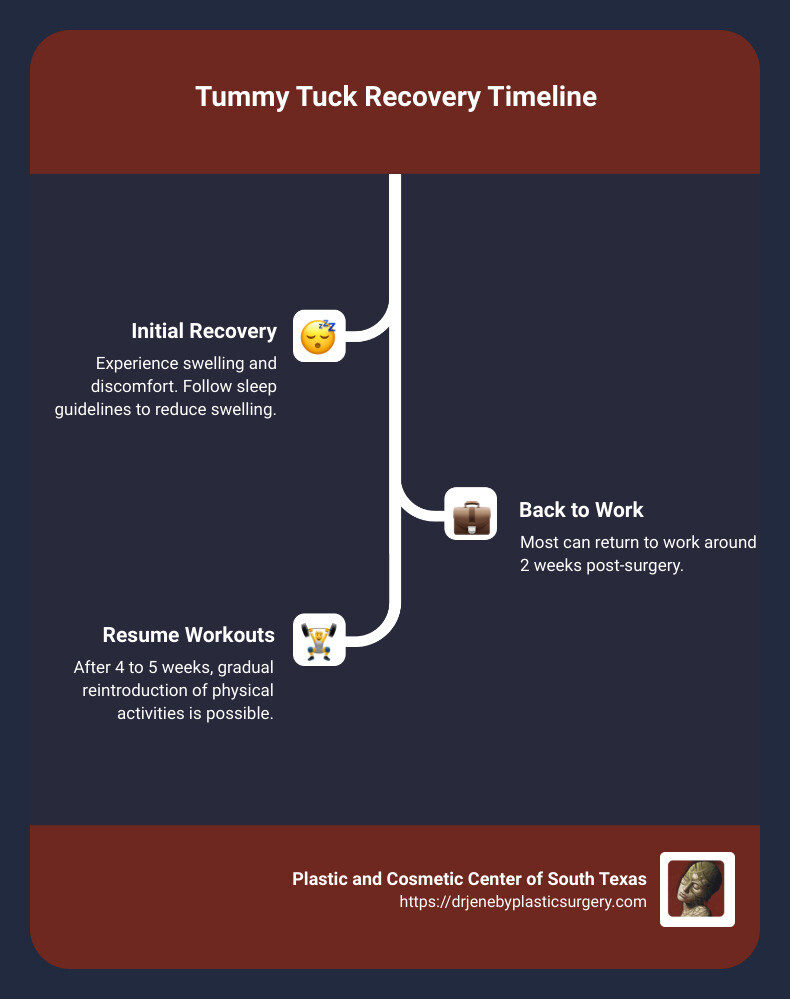
How long to recover from a tummy tuck is a common concern among those considering this transformative surgery. While everyone heals differently, here’s a quick snapshot:
- Full Recovery: Up to 6 months
- Back to Work: Around 2 weeks
- Resume Workouts: After 4 to 5 weeks
When you decide to undergo a tummy tuck, knowing what to expect during recovery can ease your mind and help you prepare better. Initially, you’ll experience swelling and discomfort, but significant improvements typically appear within the first few weeks.
Your surgeon will guide you on sleeping positions to maintain stability and minimize swelling. Adhering to these instructions is crucial for a smooth recovery.
Hello, I’m Dr. Thomas Jeneby. With over 19 years as a board-certified plastic surgeon, I have guided countless patients through their tummy tuck recovery journeys. My goal is to provide you with clear, concise information on what to expect after this procedure.
To understand the full scope of the recovery process, let’s delve deeper into each phase.

Understanding Tummy Tuck Surgery
What Is a Tummy Tuck?
A tummy tuck, or abdominoplasty, is a surgical procedure designed to remove excess fat and skin from the abdomen while tightening the abdominal muscles. The goal is to achieve a smoother, firmer, and more contoured midsection.

Purpose of a Tummy Tuck
The main intention of a tummy tuck is to repair compromised abdominal tissues. This is especially beneficial for individuals who have weakened abdominal muscles due to pregnancy or significant weight loss. Unlike liposuction, which simply removes fat, a tummy tuck addresses both the skin and muscle layers. This dual approach helps in creating a flatter and more toned appearance.
Repairing Abdominal Muscles
One of the critical aspects of a tummy tuck is the repair and tightening of the abdominal muscles. Over time, factors like aging, pregnancy, and weight fluctuations can stretch and weaken these muscles. During the procedure, the abdominal muscles are tightened and secured with sutures, resulting in a more sculpted and firm abdominal area.
Liposuction Integration
For patients with stubborn fat deposits that don’t respond to diet and exercise, liposuction can be integrated into the tummy tuck procedure. This combination allows for the removal of excess fat while also tightening the skin and muscles. The result is a more refined and curvaceous figure.

The Surgical Process
- Making the Incision: The procedure begins with a horizontal incision across the lower abdomen.
- Repairing Muscles: The abdominal muscles are then tightened and secured with sutures.
- Removing Excess Skin and Fat: Excess skin and fat are removed, and the remaining skin is repositioned.
- Closing the Incision: The incision is carefully closed to minimize scarring and promote faster healing.
How Long to Recover from a Tummy Tuck
Recovery Timeline
Recovery from a tummy tuck generally takes six to eight weeks. However, each patient’s experience can differ based on individual factors like the type of tummy tuck performed, overall health, and adherence to post-operative care instructions.
General Timeline
First Week: Expect to rest a lot. You may feel very tired and need help with daily activities. Pain and discomfort are normal and manageable with prescribed medications. You will likely have drains to remove excess fluid.
Weeks 2-4: Gradual return to light activities. Most patients can return to desk work within 7-10 days. Avoid strenuous activities and heavy lifting.
Weeks 4-6: You can start to resume moderate activities, including light exercise. Continue wearing compression garments to help reduce swelling and support healing.
Weeks 6-8: By this time, most patients can return to their normal exercise routines and more strenuous activities. Swelling and bruising should be significantly reduced.
Individual Factors
Several factors can influence how long it takes to recover from a tummy tuck:
Type of Tummy Tuck: Mini tummy tucks generally have a shorter recovery time compared to full or extended tummy tucks.
Overall Health: Patients in good health typically recover faster. Conditions like diabetes or circulatory issues can slow down the healing process.
Age: Younger patients often heal more quickly than older patients.
Adherence to Post-Op Instructions: Following your surgeon’s instructions on rest, medication, and activity levels can significantly impact your recovery time.
Activity Levels
Your activity level during recovery will gradually increase:
First Week: Minimal activity. Focus on resting and allowing your body to heal.
Weeks 2-4: Light activities like walking. Avoid lifting heavy objects or intense exercise.
Weeks 4-6: Slowly reintroduce moderate activities. Listen to your body and don’t overdo it.
Weeks 6-8: Return to normal activity levels, including exercise. Ensure your body feels ready before pushing too hard.
Smoking Habits
Smoking can severely impact your recovery. Nicotine restricts blood flow, which can delay healing and increase the risk of complications. Surgeons typically advise quitting smoking at least two weeks before and after surgery.
By understanding these factors and adhering to your surgeon’s guidelines, you can ensure a smoother and quicker recovery process.
Early Recovery Phase
First Week
The first week after your tummy tuck is crucial for setting the stage for a smooth recovery. Expect to spend most of this time resting. Bed rest is recommended for the first two days, but by day three, gentle movement is encouraged to promote blood circulation.
Pro Tip: Short, five-minute walks around your home every hour can help prevent blood clots and speed up recovery.
Pain Management
Pain and discomfort are common, especially in the first few days. Your surgeon will prescribe pain medications to help manage this. Follow your medication schedule strictly to keep discomfort at bay.
Tip: Staying ahead of the pain by taking your meds on time can make a big difference in how you feel.
Compression Garments
Wearing a compression garment is essential. It helps reduce swelling, supports the healing tissues, and enhances your final results. You should wear this garment at all times during the first week and as often as possible for the next 6-8 weeks.
Reminder: Make sure the garment fits snugly but not too tight. It should be comfortable enough to wear continuously.
Medication Schedule
In addition to pain medications, you may also be prescribed antibiotics to prevent infection. Stick to the schedule provided by your surgeon to minimize any risks.
Checklist:
– Take pain meds as prescribed
– Follow the antibiotic regimen
– Stay hydrated and eat a healthy diet
Rest Importance
Getting plenty of rest is vital. Your body needs time to heal, so avoid any strenuous activities, including lifting heavy objects or doing vigorous exercises.
Quick Tip: Arrange for someone to help you with daily chores and errands during this time. This allows you to focus entirely on recovery.
Next, we’ll look into returning to normal activities and what to expect when going back to work.
Returning to Normal Activities
Work Readiness
Most patients can return to work two weeks after a tummy tuck. If your job is not physically demanding, you might even be able to go back sooner. However, if your job involves heavy lifting or strenuous activity, you may need to take more time off to ensure proper healing.
Quick Fact: Around 42 days after surgery, you should be able to stop wearing your compression garment, making it easier to move around more comfortably.
Physical Jobs
For those with physically demanding jobs, the timeline is different. Avoid lifting anything over 10 pounds, and refrain from vigorous activities for at least six to eight weeks post-op. Your surgeon will give you the green light when it’s safe to resume these activities.
Pro Tip: Use this time to delegate tasks or arrange for help at work to avoid any setbacks in your recovery.
Computer Work
If your job involves sitting at a computer, you’ll likely be able to return to work sooner. However, keep in mind that sitting for long periods can also be taxing on your body. Take short breaks to walk around and stretch every hour to improve blood circulation and reduce swelling.
Quick Tip: Set a timer to remind yourself to take these breaks. This will help you ease back into your routine without overexerting yourself.
Normal Activities
By the third or fourth week, you can start to gradually return to most of your normal activities. Light walking is encouraged from the first week to help with blood flow, but avoid any activities that strain your abdominal muscles.
Important: Listen to your body. If you feel tired or experience discomfort, take it easy and rest.
Post-Operative Visits
Regular follow-up visits are crucial for monitoring your progress. Your surgeon will check your healing, remove any stitches, and give you personalized advice on resuming activities. Usually, these visits are scheduled one week, two weeks, and one month after the surgery.
Pro Tip: Keep a list of any questions or concerns to discuss during these visits. Open communication with your surgeon will help you feel more confident about your recovery process.
Next, we’ll discuss how to manage pain and discomfort during your tummy tuck recovery.
Managing Pain and Discomfort
Recovering from a tummy tuck can be challenging, especially when it comes to managing pain and discomfort. Here’s what you need to know to make this process easier.
Pain Levels
Expect some pain and discomfort, especially in the first few days post-surgery. The pain is usually most intense during the first one to three days. You might feel discomfort, bloating, pressure, and swelling. These symptoms are normal and should gradually subside.
Medication Types
Your surgeon will prescribe pain medications to help manage your discomfort. It’s crucial to follow the medication schedule to stay ahead of the pain. Common medications include:
- Prescription opioids: For severe pain in the initial days.
- Over-the-counter pain relievers: For mild to moderate pain as you transition off opioids.
Pro Tip: Stay on a consistent pain medication schedule to help you relax and sleep, as this is when your body does its most healing.
Worst Days
The first one to three days post-op are typically the hardest. During this time, prioritize rest and take short five-minute walks around your room or house every hour to keep your blood circulating. Sit up in a reclined position to ease discomfort.
Pro Tip: Ensure you are well-hydrated. Drinking plenty of water can help manage bloating and swelling.
Compression Garment
Dr. Zochowski will fit you with a post-operative compression garment that should be worn at all times. This garment helps:
- Reduce swelling
- Support your abdominal muscles
- Improve blood circulation
Wear it as directed by your surgeon to facilitate the healing process.
Pain Scale
Understanding your pain levels can help you communicate effectively with your healthcare team. Here’s a simple pain scale to reference:
- 0-3: Mild pain, manageable with over-the-counter pain relievers.
- 4-6: Moderate pain, may require prescription pain medication.
- 7-10: Severe pain, definitely needs prescription medication and possibly a follow-up with your surgeon.
If your pain is consistently above a 6, contact your surgeon for advice.
Pro Tip: Keep a pain diary to track your pain levels and medication intake. This can help your surgeon adjust your pain management plan if needed.
Next, we’ll discuss how long it takes to return to normal activities after a tummy tuck.
Long-Term Healing and Care
Final Results
Patience is key when it comes to seeing the final results of your tummy tuck. While you might notice a flatter belly right away, it can take up to 6 months for your body to fully heal and reveal the final outcome. During this time, it’s crucial to follow your surgeon’s advice to ensure the best results.
Swelling and Bruising
Swelling and bruising are normal parts of the healing process. Most of the swelling will subside within the first few weeks, but some minor swelling can persist for up to 3 months. Bruising, on the other hand, should fade within 2-3 weeks.
Tip: To help reduce swelling, continue wearing your compression garment as advised by your surgeon.
Scar Fading
A tummy tuck will leave a scar, usually a long one across your lower abdomen. Initially, it will be red or pink and raised, but it will gradually fade and flatten over time. This process can take up to a year or longer.
Pro Tip: Use scar minimizing techniques such as silicone sheets, vitamin E, or products like Scar Guard or BioCornium to help your scar heal better.
Skin Sensitivity
It’s common to experience numbness or a pulling sensation in the treated area for several weeks or even months. This is because the nerves are healing. Sensitivity will return gradually, but it might take up to a year for everything to feel normal again.
Long-Term Care
After the initial recovery, maintaining a healthy lifestyle is crucial for preserving your tummy tuck results. Here are some tips:
- Healthy Diet: Stick to a balanced diet to avoid weight gain, which can reverse the effects of your surgery.
- Regular Exercise: Incorporate a mix of cardio and strength training to keep your body fit and maintain muscle tone.
- Avoid Smoking: Smoking can impede healing and affect the longevity of your results.
- Follow-Up Appointments: Keep up with your post-op visits to monitor your progress and address any concerns.
Fact: According to Belcara Health, it’s essential to wear compression garments and apply scar treatments for the best possible results.
Next, we’ll answer some frequently asked questions about tummy tuck recovery.
Frequently Asked Questions about Tummy Tuck Recovery
How painful is the recovery?
Recovery pain varies from person to person, but here’s what to expect:
- First 1-3 Days: These are typically the most uncomfortable. You might experience discomfort, bloating, pressure, and swelling. Pain medication and rest are crucial during this period.
- First Week: You will need to rest a lot, but short, gentle walks are recommended to keep blood circulating.
- Pain Management: Dr. Zochowski will prescribe pain medication and a compression garment to help manage discomfort.
Tip: Stay hydrated and follow a consistent pain medication schedule to help ease discomfort.
What are the hardest days after surgery?
The first few days post-surgery are generally the toughest:
- Days 1-3: Expect the most significant discomfort during this period. Staying in a reclined position can help minimize swelling and make it easier to get up and down.
- Rest and Movement: Rest as much as possible, but take short walks every hour to keep your blood circulating and prevent complications like blood clots.
Quote: “The worst days after your tummy tuck will be the first one to three days,” says Dr. Zochowski.
How long should I avoid strenuous activities?
Avoiding strenuous activities is crucial for a smooth recovery:
- First 6 Weeks: Avoid any strenuous activity, including heavy lifting, vigorous exercise, and even sex. These activities can strain your incisions and impact healing.
- Gradual Return: Most people can resume light activities and work at the 2-week mark, but full exercise routines should wait until 4-8 weeks post-op.
Fact: According to Dr. Zochowski, “You should avoid standing straight for at least a week after your tummy tuck to avoid unwelcome strain on your surgical incisions.”
For more detailed guidance on your specific recovery process, always consult with your plastic surgeon.
Conclusion
At the Plastic and Cosmetic Center of South Texas, we understand that choosing to undergo a tummy tuck is a significant decision. Patient satisfaction is our top priority, and we are dedicated to ensuring that you feel confident and supported throughout your journey.
Our commitment to safety is unwavering. We employ advanced techniques and adhere to the highest standards of care to minimize risks and promote a smooth recovery. This dedication to safety is one of the reasons why selecting a board-certified surgeon is crucial. Our board-certified plastic surgeons have met stringent training and safety requirements, ensuring that you receive the best possible care.
To alleviate any financial concerns, we offer in-house financing options tailored to fit your budget. We believe that financial considerations should not be a barrier to achieving your cosmetic goals. Our financing plans are designed to make plastic surgery accessible without compromising on quality or patient care.
By choosing the Plastic and Cosmetic Center of South Texas, you are not just opting for a surgical procedure; you are investing in a more confident and fulfilled you. Our experienced team is here to guide you every step of the way, from your initial consultation to your final post-operative visit.
Ready to take the next step? Contact us today to schedule your consultation and start your journey towards a smoother, more confident you.


