


Why GLP-1 Reviews Matter for Your Health Journey
GLP-1 reviews reveal a complex picture of life-changing benefits alongside real challenges. Here’s what the research shows:
Key Findings from Real GLP-1 Users:
- Weight Loss Results: Average 12% weight loss with Wegovy, 18% with Zepbound in clinical trials
- Adherence Challenges: 58% of users stop treatment within 12 weeks, 30% quit after just 4 weeks
- Common Side Effects: Nausea, vomiting, diarrhea affect most users initially
- Serious Concerns: FDA received 605 adverse event reports for compounded semaglutide alone
- Cost Reality: Average $1,300 per month with limited insurance coverage
- Long-term Commitment: Most users regain weight after stopping medication
The data shows that while GLP-1 medications like Ozempic, Wegovy, and Zepbound deliver impressive results, they’re not magic bullets. Many patients struggle with side effects, costs, and the need for lifelong treatment.
Particularly concerning is the rise of unapproved compounds and “natural” alternatives flooding the market as legitimate medications face shortages. The FDA has issued multiple warnings about dangerous counterfeit products and ineffective supplements.
As Dr. Thomas Jeneby, a board-certified plastic surgeon with over 20 years of experience, I’ve seen how dramatic weight loss from GLP-1s can create new aesthetic concerns like facial volume loss and excess skin. My expertise in GLP-1 reviews comes from helping patients steer both the medical and cosmetic aspects of their weight loss journey, ensuring they understand all implications before starting treatment.
Glp 1 reviews terms to learn:
- mapping the effectiveness and risks of glp-1 receptor agonists
- tirzepatide side effects
- ozempic for weight loss
Understanding GLP-1: From Mechanism to Modern Medicine
When people search through GLP-1 reviews online, they’re often looking for quick answers about weight loss. But to really understand what you’re getting into, you need to know the science behind these medications.
GLP-1 stands for glucagon-like peptide-1, a hormone your body already makes naturally. Think of it as your internal appetite manager. After you eat, your intestines release this hormone to help manage your blood sugar, tell your brain you’re full, and keep everything running smoothly.
The medications we’re talking about – like Ozempic, Wegovy, and Zepbound – are essentially boosted versions of this natural hormone. They’re called GLP-1 receptor agonists, which means they mimic what your body already does, just more powerfully and for longer.
Interestingly, these drugs aren’t new. Doctors have used them to treat type 2 diabetes for about twenty years. The weight loss benefits were finded along the way, which explains why they’re so effective at managing blood sugar levels too.
How GLP-1 Works in the Body
Your body has an amazing system called the “incretin effect” that kicks in every time you eat. When GLP-1 hits your system, it gets to work in several key areas. Your pancreas gets the message to pump out more insulin when your blood sugar rises, while also telling it to hold back on glucagon, another hormone that would otherwise push your blood sugar higher.
GLP-1 also slows down how quickly food leaves your stomach. This isn’t just about digestion—it’s about keeping you satisfied longer. When food sits in your stomach for an extended period, you naturally feel fuller.
Perhaps most importantly for people struggling with weight, GLP-1 works directly on your brain’s appetite centers. Many patients describe it as finally having the “food noise” turned down—those constant thoughts about eating that used to dominate their day suddenly quiet down.
Dr. Diana Thiara, MD, emphasizes that understanding this natural process is crucial. Scientific research on the biology of incretins shows we’re not introducing something foreign to the body—we’re amplifying a system that’s already there.
GLP-1 and the Weight Loss Journey: What to Know
If you’ve been reading GLP-1 reviews, you’ve seen impressive weight loss numbers. Clinical trial results are remarkable. Studies show that people taking Wegovy lost an average of 12% of their body weight, while newer medications can help people lose even more.
But here’s what I want you to understand: these medications are tools, not magic wands. They work best when you’re also making healthy lifestyle changes alongside them. Think of it as having a really good workout partner—they’ll keep you motivated, but you still need to do the work of choosing nutritious foods and staying active.
Medical supervision is absolutely essential. Your healthcare provider isn’t just there to write prescriptions—they’re monitoring how your body responds, adjusting dosages, and helping you steer any side effects. Emerging research on metabolic health continues to show new ways these medications can benefit overall wellness, but that research also reinforces how important proper medical oversight is.
The patients I see who do best with GLP-1 medications are those who view them as part of a comprehensive approach to their health. They’re working with their doctors, focusing on protein intake to preserve muscle mass, and thinking long-term about maintaining their results.

The Real Story: GLP-1 Reviews, Side Effects, and Patient Experiences
While the potential for significant weight loss is exciting, it’s important to look at the real-world experiences and challenges of GLP-1 medications. Many glp 1 reviews from patients highlight the ups and downs, especially concerning side effects and the required commitment.
Common and Serious Side Effects to Know
No medication comes without potential side effects, and GLP-1 drugs are no exception. The most frequently reported issues in glp 1 reviews are gastrointestinal (GI) in nature:
- Nausea: Very common when starting or increasing the dose. Manage it by eating slowly, avoiding strong smells, and trying small, frequent meals. Crackers or ginger may help.
- Vomiting: If nausea progresses to vomiting, stay well hydrated. Smaller, more frequent meals can help.
- Diarrhea: Drink plenty of water and consider avoiding dairy and high-fiber foods until symptoms subside.
- Constipation: Increase dietary fiber and drink plenty of water.
These GI side effects are often most pronounced initially and tend to lessen over time. However, they can be significant enough to cause people to stop treatment. In clinical trials, about 17% of participants on Wegovy stopped due to side effects.
While less common, more serious side effects can occur:
- Pancreatitis: Inflammation of the pancreas.
- Gastroparesis: A condition where the stomach empties too slowly, or “stomach paralysis.”
- Bowel Obstruction: A blockage in the intestines.
- Gallstones/Gallbladder Problems: The formation of stones in the gallbladder.
Seek medical attention immediately if you experience severe vomiting or diarrhea, severe abdominal pain, inability to pass gas, or jaundice (yellowing of the skin or eyes). Inform your doctor about GLP-1 use before any surgery involving general anesthesia, as these drugs slow digestion.
The Truth About ‘Ozempic Face’ and Muscle Loss
One side effect that has garnered significant attention in glp 1 reviews is “Ozempic face,” which refers to the facial sagging and wrinkles from rapid weight loss. This isn’t unique to any specific GLP-1 drug; it’s a consequence of rapid fat loss from the face, which can happen with any significant weight reduction.
When we lose weight quickly, the fat pads in our face can shrink, leading to a gaunt look and increased skin laxity. As plastic surgeons, we understand that while weight loss is beneficial, it can leave aesthetic challenges like excess skin or volume loss in the face, arms, abdomen, and thighs.
Beyond facial changes, muscle loss is another crucial consideration. Rapid weight loss, especially without adequate protein and resistance exercise, can reduce muscle mass. GLP-1 drugs make you eat less but don’t selectively target fat. We emphasize prioritizing protein and strength training to mitigate muscle loss.
This is where our expertise at Plastic and Cosmetic Center of South Texas comes in. After substantial weight loss, we offer various body contouring and facial rejuvenation procedures to address these aesthetic concerns. From facelifts to tummy tucks, our goal is to help our patients look as good as they feel.
Analyzing User GLP-1 Reviews and Discontinuation Rates
Real-world glp 1 reviews and adherence data tell a nuanced story. Research shows many people stop GLP-1 medications for weight loss prematurely.
Consider these statistics:
- 58% of people using these drugs for weight loss were on them for less than 12 weeks.
- More than 30% stopped treatment after the first four weeks.
Why the early exit? Several factors contribute:
- Impatience with Results: Some expect immediate, dramatic weight loss and become discouraged if it’s not happening quickly.
- Side Effect Tolerance: The GI side effects can be challenging, leading some to discontinue.
- Insufficient Provider Support: Studies show that less frequent provider meetings lead to higher discontinuation rates. Each additional follow-up visit increases a patient’s chances of staying on the treatment by 60%.
- Cost Barriers: Financial implications can be substantial, leading some to stop treatment.
These medications are designed for long-term use, treating obesity as a chronic condition. Understanding these real-world challenges from glp 1 reviews is crucial for anyone considering this path.
The Hidden Dangers: Unapproved Compounds and “Natural” Alternatives
The popularity of GLP-1 medications has created a perfect storm for dangerous alternatives. When legitimate medications like Ozempic and Wegovy faced shortages, a flood of questionable products rushed to fill the gap. Unfortunately, many GLP-1 reviews don’t adequately warn patients about these risky alternatives.
As someone who’s witnessed the aftermath of patients using unregulated products, I can’t stress enough how important it is to stick with FDA-approved medications from licensed pharmacies. The risks aren’t worth it.
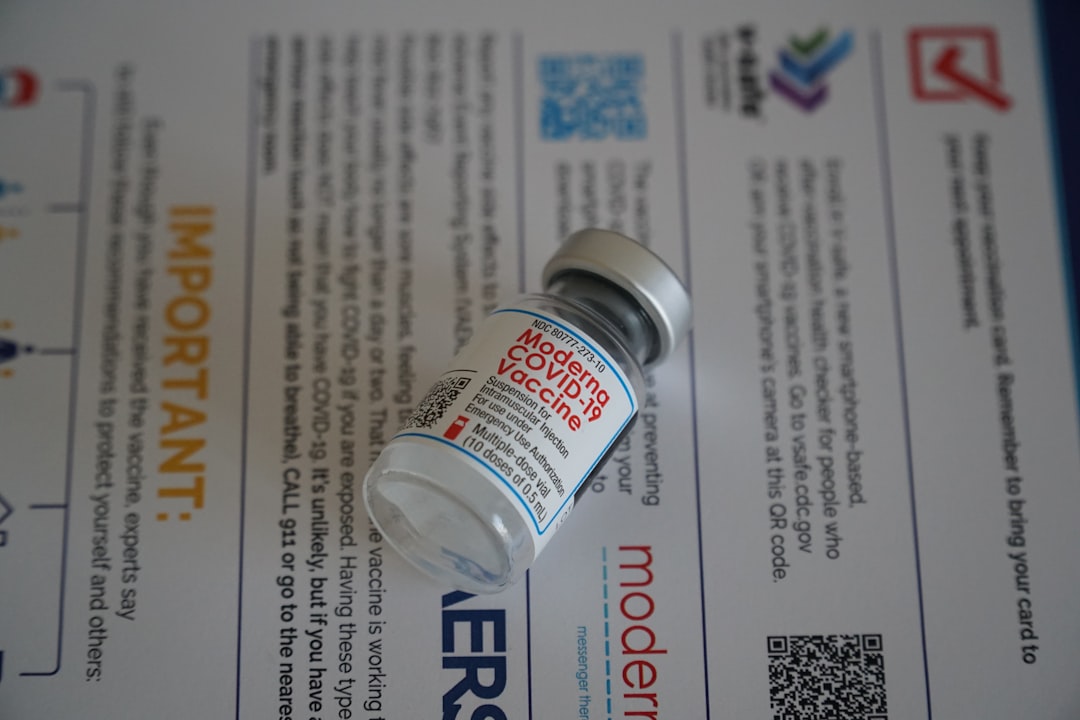
FDA Warnings on Unapproved and Compounded GLP-1s
The FDA has issued serious warnings about compounded GLP-1 medications. While compounding pharmacies can legally create drugs during official shortages, the FDA has declared shortages of semaglutide and tirzepatide over, making it generally illegal for pharmacies to create copies.
The FDA’s concerns about unapproved GLP-1 drugs highlight multiple red flags. Some compounded versions contain salt forms like semaglutide sodium, which have different chemical properties and unstudied effects. The FDA has also found fraudulent products with wrong ingredients, incorrect dosing, and harmful substances.
The numbers are sobering: as of July 2024, the FDA received 605 adverse event reports for compounded semaglutide and 545 reports for compounded tirzepatide, with many patients requiring hospitalization. Counterfeit Ozempic has also infiltrated the U.S. drug supply. If you experience adverse effects from any medication, please report adverse events to the FDA through their MedWatch program.
What GLP-1 Reviews Don’t Tell You About “Natural” Alternatives
The supplement industry has jumped on the GLP-1 bandwagon, but it’s concerning. You’ll find patches, gummies, and powders claiming to offer “natural GLP-1 benefits,” but many GLP-1 reviews of these products are misleading.
Let me be clear: these supplements are not GLP-1 agonist medications. If you can buy it without a prescription, it’s not the real thing. These products typically contain ingredients like berberine, green tea extract, or chromium—rebranded versions of older weight loss supplements that cannot replicate the powerful effects of actual GLP-1 drugs.
While certain foods can trigger a fleeting natural GLP-1 release, it’s nowhere near the prolonged, therapeutic effect of prescription medications. The FDA information for supplement users makes it clear that supplements don’t undergo FDA review for safety or effectiveness before hitting the market. There are real risks, including drug interactions.
My advice? Don’t waste your money. Instead, invest in healthy, whole foods and work with a qualified healthcare provider to explore legitimate treatment options. The NIH factsheet on weight loss supplements provides evidence-based information. There are no shortcuts to sustainable weight loss.
The Long-Term View: Benefits, Challenges, and Costs
Starting on a GLP-1 treatment journey is often a long-term commitment, akin to managing any chronic health condition. It’s a marathon, not a sprint, and understanding the long-term aspects is key to success.

The Expanding Health Benefits Beyond Weight Management
While weight loss gets most of the attention in glp 1 reviews, these medications are proving to be much more. The cardiovascular benefits are particularly exciting. Studies show that semaglutide helps people with obesity lower their blood pressure and reduce their risk of heart attacks or strokes.
Emerging research is also exploring possibilities for treating depression, substance abuse, and even neurodegenerative diseases like Parkinson’s and Alzheimer’s. While this research is in early stages, it suggests these medications might have far-reaching effects on brain health. Patients also often experience improved self-confidence and better quality of life.
Long-Term Commitment: What to Expect with GLP-1 Treatment
Many glp 1 reviews don’t emphasize enough: GLP-1 treatment is typically a lifelong medication for most people, similar to managing high blood pressure. When people stop taking GLP-1 medications, weight regain is common. The appetite-suppressing effects fade and cravings return. This happens because obesity is a chronic medical condition.
The medication works as a powerful tool to reduce hunger and cravings, making it easier to stick to healthy habits. But it works best when combined with ongoing diet and exercise. Your healthcare provider plays a crucial role in this journey. Regular check-ins are essential, as studies show that follow-up visits can increase treatment adherence by 60%. Managing expectations from the start is key to long-term success.
Navigating the Financial Side of GLP-1 Medications
Let’s talk about cost. The financial reality of GLP-1 medications is a significant challenge. The average cost is around $1,300 per month without insurance, which many families cannot afford.
Insurance coverage problems are common. Many plans don’t cover weight loss medications or impose strict prior authorization processes. Medicare also has restrictions on covering drugs used solely for weight loss. While some manufacturer savings programs are available, they may be temporary.
Financial planning is essential. Before starting, have honest conversations with your healthcare provider about costs and explore all insurance options. At our practice, we understand that major weight loss often creates new concerns about excess skin and body contouring. We’re here to help you plan for the complete journey, including the aesthetic aspects that might arise.
Conclusion: Making an Informed Decision for Your Health Journey
The journey through glp 1 reviews and medical research reveals a story that’s both inspiring and complex. These medications have revolutionized how we approach obesity and type 2 diabetes, offering benefits that extend far beyond the scale, from protecting your heart to potentially supporting mental health.
However, they’re not magic pills. The real-world experiences in glp 1 reviews remind us that success requires patience, commitment, and realistic expectations.
- Medical supervision is essential. Work with a licensed healthcare provider to get genuine medications and proper monitoring. Avoid risky “natural” alternatives and compounded versions.
- The commitment is long-term. Most people need to stay on these medications indefinitely to maintain results, which means planning for ongoing costs and lifestyle changes.
- Your expectations matter. Everyone responds differently. Understanding the potential for side effects and the financial investment upfront helps you stay committed.
Your health journey is bigger than just the number on the scale. Dramatic weight loss can create new aesthetic concerns like excess skin or facial volume changes.
That’s where our expertise at Plastic and Cosmetic Center of South Texas comes in. Dr. Jeneby and our team of board-certified plastic surgeons understand the complete picture. We’ve helped countless patients who’ve achieved their weight loss goals with GLP-1s address the aesthetic changes that can follow.
Whether you’re considering body contouring, facial rejuvenation, or other cosmetic improvements, we’re here to help you look as amazing as you feel. Making an informed decision means weighing all these factors carefully with your medical team.
For more information about how we can help address aesthetic changes after significant weight loss, visit our page on body contouring after major weight loss. Your health journey is unique, and you deserve comprehensive care.


