


GLP 1 hormone medication: Ultimate Guide 2025
Understanding GLP-1 Hormone Medication: The Game-Changer for Diabetes and Weight Control
GLP-1 hormone medication is a significant breakthrough for treating type 2 diabetes and chronic weight management. These drugs work by mimicking a natural hormone that controls blood sugar and appetite.
Key Facts About GLP-1 Hormone Medication:
- Primary uses: Type 2 diabetes management and chronic weight loss
- How they work: Mimic natural GLP-1 hormone to increase insulin, reduce appetite, and slow digestion
- Administration: Weekly injections or daily oral tablets
- Weight loss potential: Average 10-15% body weight reduction in clinical trials
- FDA approved: Since 2005, with multiple options now available
- Common side effects: Nausea, vomiting, diarrhea (usually temporary)
GLP-1 agonists stimulate the pancreas to release insulin, suppress glucagon, and signal fullness to the brain. By slowing stomach emptying, they help you feel satisfied longer after meals.
The recent surge in popularity, fueled by social media, has led to supply shortages and high costs (typically $500-700 monthly), creating accessibility challenges.
As Dr. Thomas Jeneby, I’ve seen how GLP-1 hormone medication transforms lives, especially for patients needing to reach a healthy weight before cosmetic surgery. With over 20 years of experience, I know that proper weight management is critical for optimal surgical outcomes and overall health.
Glp 1 hormone medication terms to know:
What Are GLP-1 Agonists and How Do They Work?
Your small intestine naturally produces a hormone called glucagon-like peptide-1 (GLP-1) after you eat, which helps regulate blood sugar and appetite. GLP-1 hormone medication, also known as GLP-1 receptor agonists or incretin mimetics, are synthetic versions of this hormone. They bind to the same receptors in your body, producing similar but stronger and longer-lasting effects.
When you take GLP-1 hormone medication, it works in four key ways:
- Stimulates Insulin Release: It signals the pancreas to release insulin when blood sugar rises after a meal, helping move glucose from the bloodstream into your cells.
- Suppresses Glucagon: It prevents the liver from releasing excess stored sugar into the bloodstream when it’s not needed.
- Slows Digestion: It slows gastric emptying, so food stays in your stomach longer. This leads to a more gradual absorption of glucose and helps you feel full for hours.
- Reduces Appetite: It communicates directly with the brain’s appetite centers, enhancing feelings of satiety and making it easier to eat smaller portions.
The Three-Pronged Approach to Control
This multi-faceted approach makes GLP-1 hormone medication highly effective by targeting the pancreas, stomach, and brain simultaneously.

- Pancreas: For people with type 2 diabetes, these medications help fine-tune insulin production and suppress glucagon. Many patients see their hemoglobin A1c levels drop by about 1%, a significant improvement in blood sugar control.
- Stomach: By slowing digestion, the medication prevents dramatic blood sugar spikes after meals and helps you feel genuinely satisfied for longer periods.
- Brain: The medication works directly on appetite centers, reducing hunger signals and enhancing feelings of fullness. This helps you make healthier choices naturally, without relying solely on willpower.
This three-pronged approach is why GLP-1 hormone medication has become a game-changer for both blood sugar regulation and weight management. Instead of fighting your body’s signals, you’re working with them.
Approved Uses and Benefits of GLP-1 Hormone Medication
First approved by the FDA in 2005 for type 2 diabetes, GLP-1 hormone medication has since expanded its use to include chronic weight management. It’s important to remember these are not standalone miracle drugs; they are most effective when combined with lifestyle and dietary changes. The FDA has approved multiple options, each meeting strict safety and effectiveness standards.
Managing Type 2 Diabetes and Protecting Your Heart
For type 2 diabetes, GLP-1 hormone medication excels at lowering HbA1c levels, controlling post-meal glucose spikes, and managing fasting blood sugar. A major benefit is cardiovascular protection. Research shows these medications can reduce the risk of major heart events like heart attacks and strokes, particularly in patients with existing heart disease.
These drugs can improve heart function, increase blood flow, and reduce damage from a potential heart attack. This scientific research on cardiovascular outcomes details these benefits. For our patients at Dr. Jeneby Plastic Surgery, this heart protection is crucial for ensuring safer surgical procedures and better recovery.
A Breakthrough in Chronic Weight Management
The significant weight loss observed in diabetes patients led to the FDA approving GLP-1 hormone medication for obesity treatment. Medications like semaglutide (Wegovy) and liraglutide (Saxenda) are approved for individuals with obesity (BMI ≥ 30) or those who are overweight with comorbidities (BMI 25-29.9 with a weight-related condition like high blood pressure).
For weight management, doctors typically prescribe higher dosages than for diabetes. Patients often achieve a significant weight reduction of 10-15% of their body weight, leading to life-changing improvements in blood pressure, cholesterol, and overall health.
In my practice, these medications help patients reach a healthier weight before procedures like tummy tucks. GLP-1 hormone medication is particularly effective at reducing visceral fat around the organs, which surgery cannot address. This preparation leads to safer surgeries and superior aesthetic outcomes.
A Guide to GLP-1 Types, Side Effects, and Safety
Navigating the different types of GLP-1 hormone medication is easier when you know the options and what to expect. Understanding the choices is key to a successful and safe outcome.
Available GLP-1 Medications: Injections and Oral Options
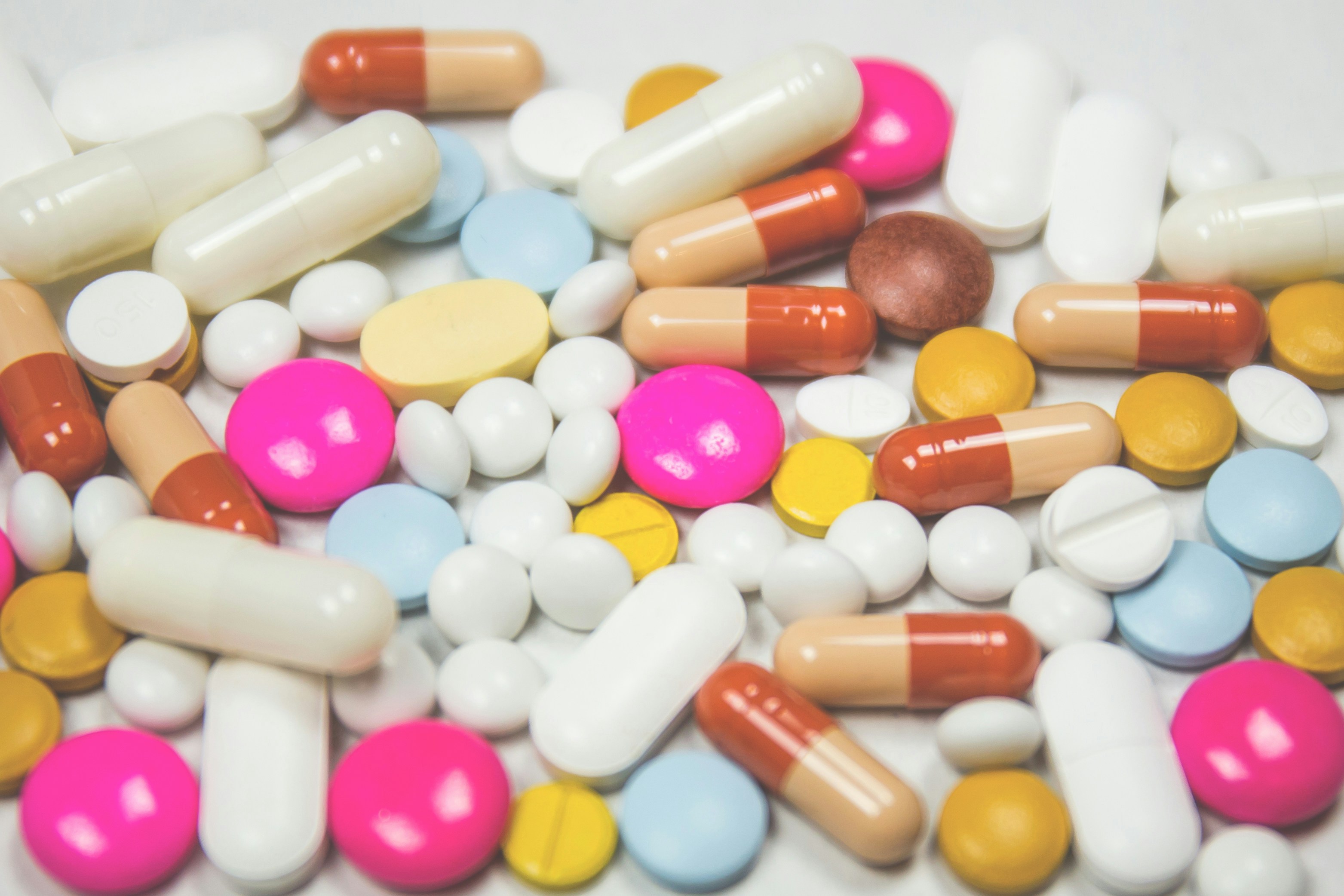
GLP-1 medications are available as short-acting (daily) or long-acting (weekly) injections, with one oral option.
- Exenatide: Byetta (twice-daily) or Bydureon BCise (once-weekly).
- Liraglutide: Victoza (for diabetes) or Saxenda (higher dose for weight loss).
- Dulaglutide (Trulicity): A popular once-weekly injection with proven cardiovascular benefits.
- Semaglutide: The active ingredient in Ozempic and Wegovy (injections) and Rybelsus (the only oral GLP-1 hormone medication).
- Tirzepatide (Mounjaro and Zepbound): A dual GLP-1/GIP agonist that often produces more significant results for blood sugar and weight loss.
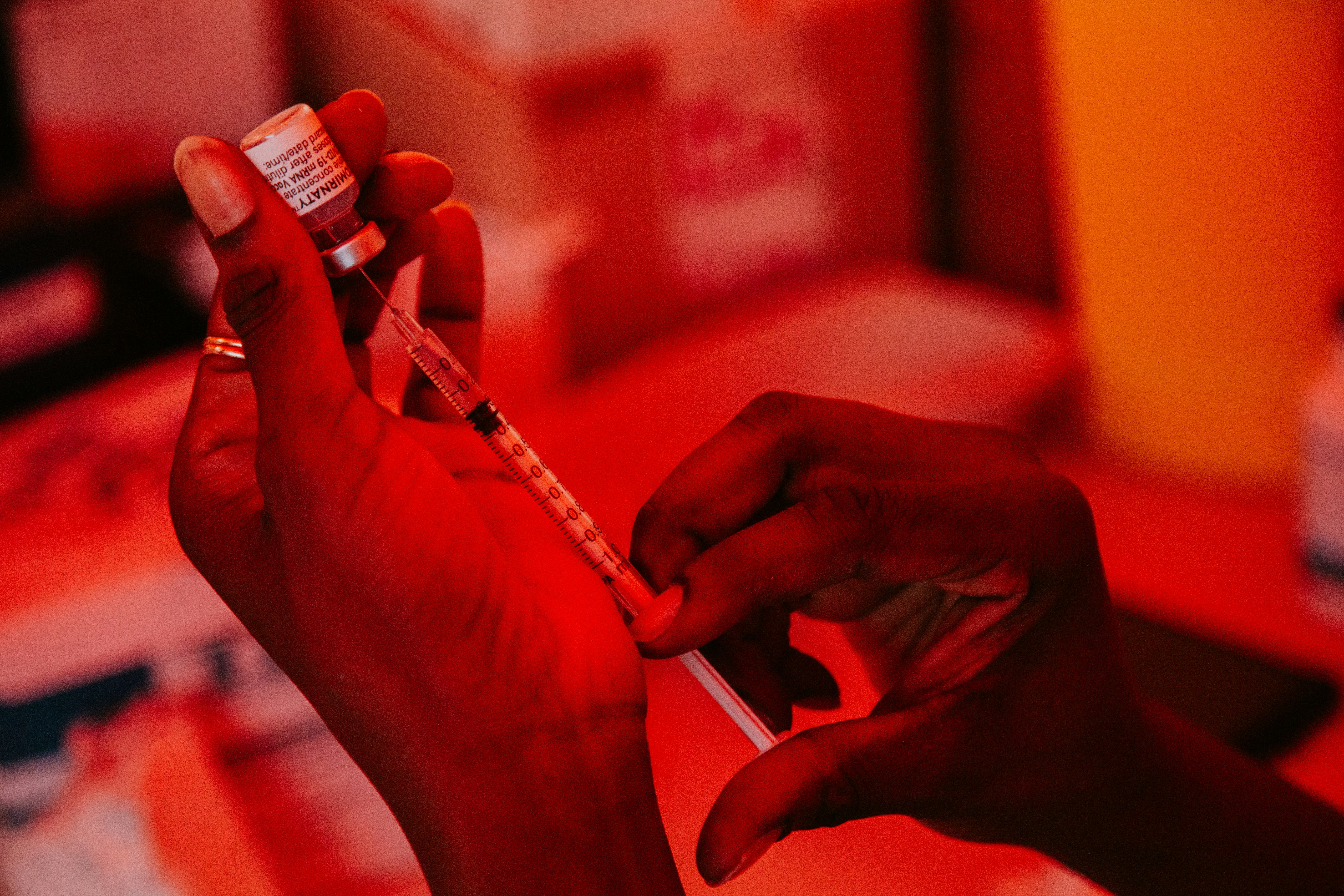
Most are subcutaneous injections administered with a small needle into the abdomen, thigh, or upper arm. The oral option, Rybelsus, must be taken on an empty stomach. Your doctor will start you on a low dose and gradually increase it (dosage titration) to help your body adjust and minimize side effects.
Understanding the Side Effects of GLP-1 Hormone Medication
The most common side effects are gastrointestinal, especially in the first few weeks. These include nausea, vomiting, diarrhea, and constipation. To manage these symptoms, eat smaller, more frequent meals, avoid greasy or very sweet foods, stay hydrated, and avoid lying down right after eating. Symptoms usually fade after the first month.
While rare, serious side effects require immediate medical attention:
- Pancreatitis: Severe, persistent abdominal pain that radiates to your back.
- Gallbladder disease: Sudden, intense upper abdominal pain.
- Acute kidney injury: Can result from dehydration due to severe vomiting or diarrhea.
- Hypoglycemia (low blood sugar): A risk if you also take insulin or sulfonylureas. Your doctor will likely adjust these doses.
Key Contraindications for GLP-1 Hormone Medication
These medications are not suitable for everyone. A thorough review of your medical history is essential for safety. Key contraindications include:
- Thyroid Cancer Risk: A personal or family history of medullary thyroid carcinoma (MTC) or Multiple Endocrine Neoplasia syndrome type 2 (MEN 2). This is a boxed warning from the FDA.
- History of Pancreatitis: The medication can increase the risk of acute pancreatitis.
- Pregnancy and Breastfeeding: There is not enough safety data.
- Severe Gastrointestinal Diseases: Conditions like gastroparesis can be worsened by delayed gastric emptying.
Navigating Treatment: Monitoring, Costs, and Unapproved Drugs
Starting GLP-1 hormone medication requires a partnership with your healthcare team, involving ongoing communication, regular monitoring, and financial planning. Successful outcomes depend on understanding each step of the process.
Patient Monitoring for Safe and Effective Treatment
Careful monitoring is your safety net. Regular check-ups are essential, especially in the first few months, to track your body’s response, manage side effects, and adjust your dose.
Key monitoring includes:
- Blood sugar tracking: Checking HbA1c levels every three months initially for diabetes patients.
- Weight monitoring: Tracking trends to adjust expectations and measure progress.
- Kidney function tests: Crucial because severe GI side effects can cause dehydration.
- Diabetic eye screening: Rapid blood sugar improvements can temporarily affect vision.
- Pancreatitis awareness: You will be taught to recognize warning signs like severe, persistent abdominal pain.
The Dangers of Compounded and Unapproved GLP-1 Drugs
The popularity of GLP-1 hormone medication, combined with shortages and high costs, has led to a dangerous market for compounded or unapproved versions. These drugs are not FDA-approved and pose serious health risks.
- Contamination: Compounded drugs lack the quality control of FDA-regulated products.
- Dosing Errors: The FDA has received hundreds of adverse event reports from compounded semaglutide, some involving doses 10 times higher than prescribed.
- Unknown Ingredients: Some versions use different salt forms (semaglutide sodium) that are not proven safe or effective.
- Counterfeit Drugs: Fake versions sold online may contain harmful substances or no active ingredient at all.
Do not gamble with your health to save money. If you experience any problems, Report adverse events to the FDA immediately.
Understanding the Costs and Accessibility Challenges
GLP-1 hormone medication is expensive, often costing $500 to over $1,300 per month without insurance. This high cost is due to research and development expenses and overwhelming demand.
- Insurance Coverage: Coverage is inconsistent, especially for weight loss, which some insurers still consider cosmetic.
- Prior Authorization: Insurers often require extensive paperwork before approving the medication.
- Drug Shortages: High demand has created supply chain issues, making it difficult to fill prescriptions.
We help our patients steer these challenges by exploring manufacturer assistance programs, insurance appeals, and alternative treatment strategies to find a sustainable path to better health.
Frequently Asked Questions About GLP-1 Medications
Here are answers to common questions our patients in San Antonio ask about GLP-1 hormone medication.
How long do I need to take GLP-1 medication?
Think of GLP-1 hormone medication as a long-term treatment for chronic conditions like type 2 diabetes and obesity. These conditions require ongoing management. Research shows that when people stop taking the medication, they tend to regain a significant portion of the lost weight within a year. We will work with you to develop a sustainable, long-term health plan, which may involve continued medication, a lower maintenance dose, or a transition to lifestyle-only management.
Can I take GLP-1 agonists with other diabetes medications?
Yes, GLP-1 hormone medication is often used in combination with other diabetes drugs like metformin. However, special care is needed when combining them with insulin or sulfonylureas, as this increases the risk of hypoglycemia (low blood sugar). If you are taking these medications, your doctor will likely reduce their dosage when you start the GLP-1 agonist. Close medical supervision and frequent blood sugar monitoring are essential during this period to ensure your safety and optimize results.
Do GLP-1 medications require a special diet?
There is no single “GLP-1 diet,” but the medication works best when paired with healthy eating habits. The drug itself will help guide your choices by reducing appetite and cravings. To maximize benefits and minimize side effects:
- Focus on nutrient-dense foods: Eat lean proteins, non-starchy vegetables, and whole grains.
- Listen to your body: The medication slows digestion, so eat slowly and stop when you feel satisfied, not full, to avoid nausea.
- Stay hydrated: Drinking plenty of water helps manage side effects like constipation.
- Avoid trigger foods: Many patients find that greasy, fatty, or very sugary foods worsen GI symptoms.
This approach is about developing a sustainable, healthy relationship with food that supports your long-term success.
Conclusion: Partnering in Your Health and Wellness Journey
This guide has covered how GLP-1 hormone medication mimics natural hormones to manage type 2 diabetes and promote weight loss. We’ve reviewed the options, benefits, side effects, and critical safety considerations to ensure a successful treatment journey.
The transformative potential of GLP-1 hormone medication is remarkable, offering a chance to achieve health goals that once seemed out of reach. However, these powerful tools work best with expert guidance, careful monitoring, and a comprehensive approach to wellness.
At Dr. Jeneby Plastic Surgery, we understand your health journey is personal, whether you’re using GLP-1 hormone medication for diabetes, pre-surgical weight loss, or overall wellness. Our team in San Antonio and Austin, TX, is committed to providing personalized, evidence-based care.
The field of GLP-1 medications is constantly evolving, and we are excited to help our patients access these life-changing treatments safely. Your wellness journey doesn’t have to be a solo trip. We’re here to support you every step of the way.
Ready to explore how we can help you achieve your health and aesthetic goals? Find More info about our Med Spa services and see how our experienced team can partner with you to help you look and feel your absolute best.


