


Glp 1 agonist list of drugs: Ultimate Guide 2025
Your Comprehensive Guide to the GLP-1 Agonist List of Drugs
If you’re looking for a glp 1 agonist list of drugs, here are the key medications currently available:
- Exenatide (brand names Byetta, Bydureon)
- Liraglutide (brand names Victoza, Saxenda)
- Dulaglutide (brand name Trulicity)
- Semaglutide (brand names Ozempic, Rybelsus, Wegovy)
- Lixisenatide (brand name Adlyxin)
- Tirzepatide (brand names Mounjaro, Zepbound) – note: this is a dual GLP-1/GIP agonist.
These medications, also known as incretin mimetics, have changed how we treat conditions like Type 2 diabetes and obesity. Common examples include liraglutide and semaglutide. They work by mimicking a natural hormone in your body. This helps control blood sugar, slow digestion, and reduce appetite.
As Dr. Thomas Jeneby, I’ve seen the impact these medications can have. My deep understanding of the glp 1 agonist list of drugs comes from over 19 years in practice, handling thousands of cases. This guide will cover everything you need to know about this powerful class of medications.
Know your glp 1 agonist list of drugs terms:
- mapping the effectiveness and risks of glp-1 receptor agonists
- semaglutide weight loss
- tirzepatide vs semaglutide
Understanding GLP-1 Agonists: How They Work and What They Treat
When we talk about GLP-1 agonists, we’re diving into a fascinating area of modern medicine. These medications, also known as incretin mimetics or GLP-1 receptor agonists, are designed to mimic a natural hormone in our bodies called glucagon-like peptide-1 (GLP-1). This hormone plays a crucial role in regulating our metabolism, especially after we eat.
The way these medications work is quite clever, tapping into what we call the “incretin system.” Imagine your body has a finely tuned orchestra, and GLP-1 is a key conductor. When you take a GLP-1 agonist, it steps in to:
- Boost Insulin Release: After a meal, when your blood sugar levels rise, GLP-1 agonists stimulate your pancreas to release more insulin. This insulin then helps your cells absorb glucose from your bloodstream, lowering blood sugar.
- Suppress Glucagon: Glucagon is another hormone that can raise blood sugar. GLP-1 agonists help suppress its release, preventing your liver from producing too much glucose, especially between meals or overnight.
- Slow Down Digestion: They gently slow down how quickly food leaves your stomach. This isn’t just about making you feel full; it also means glucose enters your bloodstream more gradually, preventing sharp spikes in blood sugar after eating.
- Reduce Appetite: By slowing digestion and affecting hunger signals in the brain, GLP-1 agonists can make you feel fuller for longer and reduce your overall appetite. This often leads to eating less and, for many, significant weight loss.
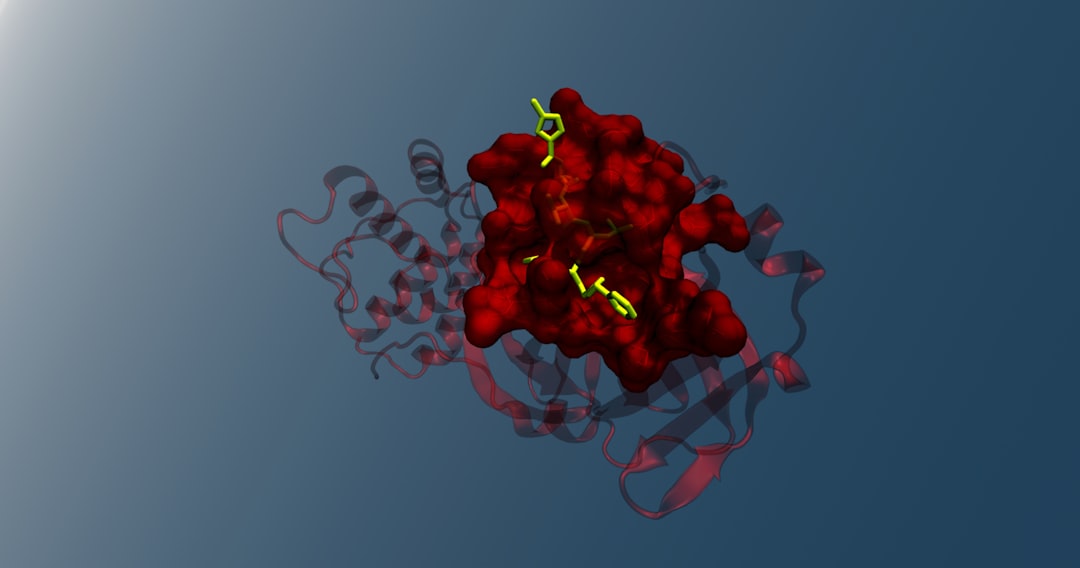
The first GLP-1 agonist, exenatide, was approved by the U.S. Food and Drug Administration (FDA) in 2005, marking a significant milestone. Since then, these medications have become vital tools for managing several conditions:
- Type 2 Diabetes Management: Their primary FDA-approved use is to improve blood sugar control in adults with Type 2 diabetes. They are often prescribed when other first-line treatments, like metformin, aren’t enough or aren’t tolerated. They’ve shown a hemoglobin A1c reduction of about 1% compared to control groups in patients with Type 2 Diabetes.
- Chronic Weight Management: Several GLP-1 agonists are now FDA-approved for chronic weight management in adults with obesity (a body mass index, or BMI, of 30 or higher) or those who are overweight (BMI 27 to 29.9) with at least one weight-related health condition (like high blood pressure or high cholesterol). This has been a game-changer for many struggling with weight.
- Cardiovascular Risk Reduction: Beyond blood sugar and weight, some GLP-1 agonists have also shown impressive benefits in reducing the risk of major cardiovascular events, such as heart attack, stroke, or cardiovascular death, especially in patients with Type 2 diabetes and established cardiovascular disease. They may also help decrease the progression of chronic kidney disease.
While these medications are powerful, they work best as part of a comprehensive plan that includes lifestyle changes like diet and exercise. They don’t replace healthy habits; they improve them.
For a deeper dive into how these remarkable medications help manage diabetes, you can explore this Overview of GLP-1 Agonists for Diabetes.
The Complete GLP-1 Agonist List of Drugs
The world of GLP-1 agonists has truly blossomed since its beginnings in 2005! There are now so many wonderful options available, each designed to fit different needs and lifestyles. Whether you prefer a daily injection, a weekly pen, or even an oral pill, there’s likely a solution that works for you.
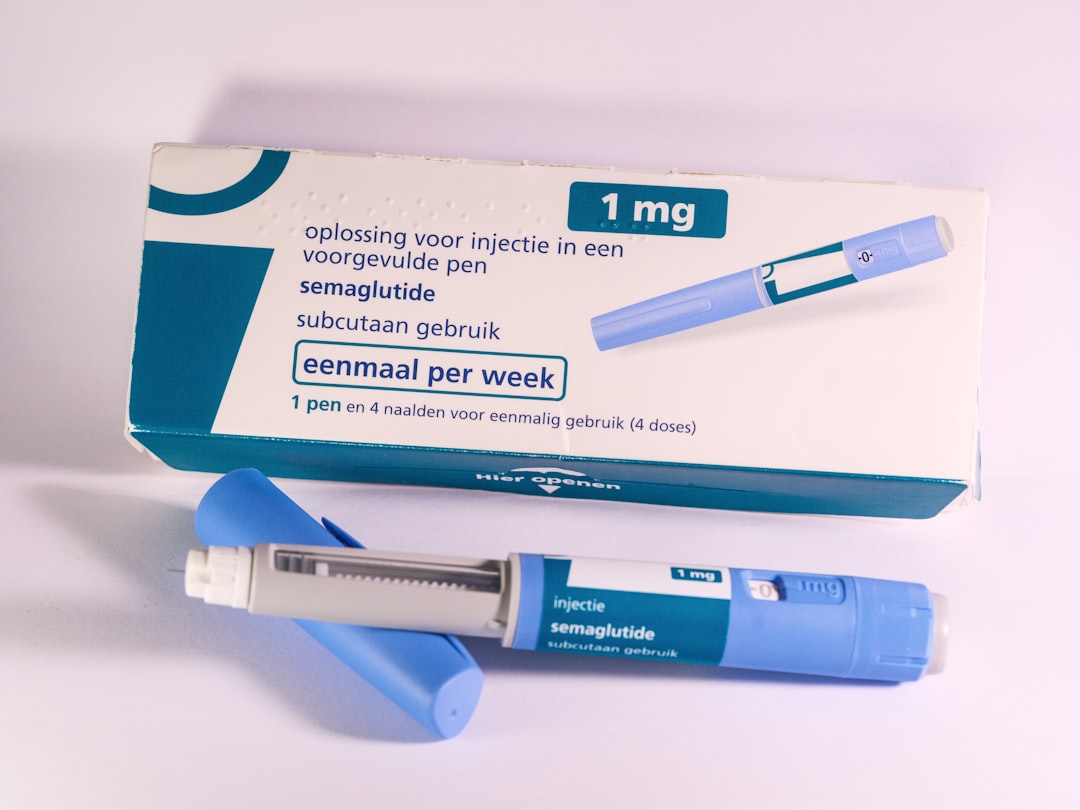
When we talk about the complete glp 1 agonist list of drugs, we can generally sort them by how long they work in your body (short-acting versus long-acting) and if they have extra powers by targeting other receptors.
Comparing the GLP-1 Agonist List of Drugs
To give you a clearer picture and help you steer these choices, here’s a handy comparison of the GLP-1 agonists you might hear about. This table shows their generic and brand names, how you take them, and how often:
| Generic Name | Brand Name(s) | Administration | Dosing Frequency | Primary Indication(s) |
|---|---|---|---|---|
| Exenatide | Byetta | Injectable | Twice-Daily | Type 2 Diabetes |
| Exenatide extended-release | Bydureon BCise | Injectable | Weekly | Type 2 Diabetes |
| Liraglutide | Victoza, Saxenda | Injectable | Daily | Type 2 Diabetes (Victoza), Chronic Weight Management (Saxenda) |
| Lixisenatide | Adlyxin | Injectable | Daily | Type 2 Diabetes |
| Dulaglutide | Trulicity | Injectable | Weekly | Type 2 Diabetes, CV risk reduction |
| Semaglutide | Ozempic, Rybelsus, Wegovy | Injectable (Ozempic, Wegovy), Oral (Rybelsus) | Weekly (Ozempic, Wegovy), Daily (Rybelsus) | Type 2 Diabetes (Ozempic, Rybelsus), Chronic Weight Management (Wegovy), CV risk reduction (Ozempic) |
| Tirzepatide | Mounjaro, Zepbound | Injectable | Weekly | Type 2 Diabetes (Mounjaro), Chronic Weight Management (Zepbound) |
Note: You’ll see Tirzepatide listed there. It’s a bit special because it’s a dual GLP-1/GIP receptor agonist, meaning it works on two different pathways!
Short-Acting GLP-1 Agonists
These medications work for a shorter time in your body, which means you usually need to take them more often.
- Exenatide (Byetta): This was the very first GLP-1 agonist approved by the FDA way back in 2005. It’s given as a shot twice a day. While it’s effective, many people now prefer options that don’t need to be taken as often.
- Lixisenatide (Adlyxin): This is another short-acting choice, and it’s given as a daily injection.
Long-Acting GLP-1 Agonists
The arrival of long-acting GLP-1 agonists was a huge step forward! They offer the fantastic convenience of less frequent dosing – often just once a week. This can make a big difference for many patients, making it easier to stick with their treatment plan.
- Liraglutide (Victoza, Saxenda): This is a well-known daily injection. What’s neat about liraglutide is that it has two different brand names for different uses: Victoza helps manage Type 2 diabetes, and Saxenda is used for chronic weight management. It was also the first non-insulin drug approved for Type 2 diabetes in kids 10 and older!
- Semaglutide (Ozempic, Wegovy): This is a truly powerful once-weekly injection. Ozempic is approved for Type 2 diabetes and helps reduce heart risks, while Wegovy is specifically approved for chronic weight management. Semaglutide has become incredibly popular because it’s so effective for weight loss.
- Dulaglutide (Trulicity): Another popular once-weekly injection, Trulicity is used for Type 2 diabetes and has also been shown to lower the risk of serious heart problems.
- Exenatide extended-release (Bydureon BCise): This is a longer-lasting version of the original exenatide. It’s given as a once-weekly injection, making it much more convenient than its twice-daily counterpart.
Oral GLP-1 Agonist
Here’s a real game-changer: a GLP-1 agonist that comes in a pill!
- Oral Semaglutide (Rybelsus): This is the first and currently only GLP-1 agonist you can take by mouth. It’s a daily pill, which is perfect for anyone who prefers not to give themselves injections. It’s approved for Type 2 diabetes.
Dual-Action and Combination Products
Innovation keeps moving forward in this field! We now have medications that combine the action of GLP-1 with other helpful hormones, or even with insulin, for even greater benefits.
- Tirzepatide (Mounjaro, Zepbound): This is an exciting breakthrough! As we mentioned, it’s a dual GLP-1/GIP receptor agonist. This means it works on two different pathways in your body, which can lead to even better blood sugar control and more significant weight loss. Mounjaro is approved for Type 2 diabetes, and Zepbound is specifically for chronic weight management. Patients love it – Tirzepatide actually has the highest average user rating among all the GLP-1 agonists listed!
- Insulin/GLP-1 Combinations: For some folks, combining a GLP-1 agonist with insulin can offer boostd blood sugar control. These handy products simplify treatment by giving you two medicines in one single injection:
- Soliqua 100/33 (which combines insulin glargine and lixisenatide)
- Xultophy 100/3.6 (which combines insulin degludec and liraglutide)
Efficacy and Common Side Effects
When you’re considering any medication from the glp 1 agonist list of drugs, you naturally want to know two things: how well will it work, and what side effects might I experience? After nearly two decades in practice, I’ve seen how these medications can transform lives when we find the right fit for each patient.
The effectiveness of GLP-1 agonists varies depending on what you’re trying to achieve. Some excel at blood sugar control, others shine for weight loss, and a few do both remarkably well. Understanding these differences helps us choose the best option for your specific health goals.
Most patients start seeing results within the first few weeks, though the full benefits often take several months to develop. This is why we emphasize patience and consistent monitoring during your treatment journey.
Which GLP-1 Agonists Are Most Effective?
When it comes to pure effectiveness, particularly for weight loss and blood sugar control, certain medications from our glp 1 agonist list of drugs consistently outperform others in clinical studies.
Semaglutide has earned its reputation as a weight loss powerhouse. In clinical trials, patients using Wegovy (the weight management formulation) achieved an average weight reduction of 14.9% at 68 weeks, compared to just 2.4% with placebo. That’s a game-changing difference that many of my patients have experienced firsthand.
Tirzepatide takes effectiveness even further. This dual-action medication (targeting both GLP-1 and GIP receptors) has shown weight reductions ranging from 12 to 25 pounds in studies, depending on the dose. For blood sugar control, tirzepatide demonstrates superior A1c reduction compared to other options, with mean reductions ranging from 1.8% to 2.4%. It’s no surprise that tirzepatide has the highest average user rating among GLP-1 agonists at 8.6 out of 10.
Liraglutide and dulaglutide shouldn’t be overlooked, though. While their weight loss effects may be more modest, they offer excellent A1c control and proven cardiovascular benefits. Sometimes these established medications are exactly what a patient needs, especially when considering factors like cost or insurance coverage.
The key is finding what works best for your body and lifestyle. What’s most effective on paper isn’t always most effective for you personally.
Common Side Effects and How to Manage Them
Let’s be honest about side effects – they’re a reality with GLP-1 agonists, but they’re usually manageable and often temporary. The encouraging news is that adverse effects from these medications typically lead to a low discontinuation rate of around 10%, meaning most people find them tolerable enough to continue treatment.
The most common side effects center around your digestive system, which makes sense given how these medications work. Nausea tops the list – it can range from mild queasiness to more significant discomfort, especially when you first start treatment. Vomiting occurs less frequently but can happen as your body adjusts. You might also experience diarrhea or constipation as your digestive system adapts to slower gastric emptying.
Decreased appetite is interesting because it’s often both a side effect and a desired therapeutic effect. Sometimes it can be more pronounced than comfortable, but this usually balances out over time.
Here’s what I’ve learned works best for managing these effects: starting with a low dose is absolutely crucial. This “dose titration” approach helps your body adapt gradually and minimizes discomfort. We always emphasize this strategy with our patients.
Eating smaller, more frequent meals can prevent that overly full feeling that triggers nausea. Choose bland, low-fat foods initially – save the spicy or greasy meals for later when you’ve adjusted. Stay well-hydrated, eat slowly, and avoid lying down immediately after meals.
Most importantly, keep communicating with your healthcare team. If side effects persist or feel overwhelming, we can adjust your dosing schedule or explore other options. Many patients experience no side effects at all, and for those who do, the temporary discomfort often becomes a distant memory once they see the life-changing benefits these medications can provide.
The journey with GLP-1 agonists requires patience, but the destination – better health, improved blood sugar control, and often significant weight loss – makes it worthwhile for most people.
Safety Warnings and Contraindications
While GLP-1 agonists are generally safe and effective for many, it’s crucial to be aware of certain safety warnings and contraindications. Our commitment to patient safety means we thoroughly review your medical history to ensure these medications are appropriate for you.

Contraindications: Who Should Avoid This GLP-1 Agonist List of Drugs?
Certain conditions make GLP-1 agonists unsuitable due to potential serious risks. It’s essential to disclose your complete medical history during your consultation.
- Personal or Family History of Medullary Thyroid Carcinoma (MTC): This is a rare type of thyroid cancer. GLP-1 agonists carry a boxed warning (the FDA’s strongest warning) because they caused dose-dependent and treatment-duration-dependent thyroid C-cell tumors in male and female rats at clinically relevant exposures. It is unknown whether these medications cause such tumors in humans, but out of an abundance of caution, they are contraindicated if you or a close family member have ever had MTC.
- Multiple Endocrine Neoplasia syndrome type 2 (MEN 2): This is a genetic condition that increases the risk of MTC and other endocrine tumors. Due to the potential link with thyroid tumors, GLP-1 agonists should not be used in individuals with MEN 2.
- History of Pancreatitis: While GLP-1 agonists are not believed to cause pancreatitis, they can exacerbate it in some cases. If you have a history of acute pancreatitis, these medications are generally avoided.
- Severe Allergic Reaction: As with any medication, if you have a known severe allergic reaction (e.g., anaphylaxis, angioedema) to any GLP-1 agonist or its components, it should not be used.
Serious Precautions and Potential Risks
Beyond absolute contraindications, there are several serious precautions and potential risks we monitor for:
- Acute Pancreatitis: Even without a prior history, there’s a small risk of developing acute pancreatitis (inflammation of the pancreas). Symptoms include severe, persistent abdominal pain, sometimes radiating to the back, with or without vomiting. If this occurs, the medication should be stopped immediately.
- Gallbladder Problems (Cholelithiasis/Cholecystitis): Rapid weight loss, a common effect of these medications, can increase the risk of gallstones and gallbladder inflammation. Symptoms include upper abdominal pain, nausea, vomiting, and fever.
- Acute Kidney Injury: In some cases, particularly if severe gastrointestinal side effects (like vomiting and diarrhea) lead to dehydration, GLP-1 agonists can contribute to acute kidney injury. Maintaining good hydration is key.
- Diabetic Retinopathy Complications: For patients with pre-existing diabetic retinopathy, there have been reports of worsening vision, especially with rapid blood sugar improvements. Regular eye exams are important.
- Delayed Gastric Emptying: While a mechanism of action, severe delayed gastric emptying (gastroparesis) can be a concern. This can lead to symptoms like persistent nausea, vomiting, and bloating. In some cases, it may also affect the absorption of other oral medications, including birth control pills. We advise patients on oral contraceptives to consider alternative or additional birth control methods.
- Compounded Versions: The FDA has issued cautionary statements regarding compounded Semaglutide. These versions are not FDA-assessed for safety, efficacy, or quality, and there have been reports of adverse events. It is vital to use only FDA-approved medications obtained from licensed pharmacies.
We believe in open and honest conversations about your health. We will discuss all potential risks and benefits with you, ensuring you are fully informed and comfortable with your treatment plan. For a comprehensive overview of potential side effects, you can review this Review of Adverse Effects.
Frequently Asked Questions about GLP-1 Agonists
When patients come to our practice, they often have thoughtful questions about this glp 1 agonist list of drugs. After 19 years of practice and thousands of cases, I’ve learned that taking time to address these concerns helps people make informed decisions about their health journey.
Do you have to take GLP-1 agonists for life?
This is probably the most important question I hear, and I understand why it weighs on people’s minds. The honest answer is that it depends on what you’re treating and your personal health goals.
For Type 2 diabetes, we’re dealing with a chronic condition that needs ongoing management. Think of it like high blood pressure or high cholesterol – these conditions don’t just go away on their own. When you stop taking a GLP-1 agonist, your blood sugar levels will typically return to where they were before treatment. So for blood sugar control, yes, it’s usually a long-term commitment.
For weight management, the situation is remarkably similar. These medications work by changing how your body processes hunger and fullness signals. When you stop taking them, those effects fade away. Studies show that patients who used semaglutide for weight loss regained about two-thirds of their lost weight within one year after stopping the medication.
I know this might sound discouraging, but think about it this way: we don’t expect someone with high blood pressure to stop their medication once their numbers improve. The cardiometabolic benefits – like reduced risk of heart attack and stroke – also tend to disappear when you stop treatment.
The key is viewing these medications as tools for chronic condition management, not quick fixes. When combined with healthy lifestyle changes, they can be incredibly effective for long-term success.
Can GLP-1 agonists be used for Type 1 diabetes?
This is a great question that comes up more often as these medications gain popularity. The straightforward answer is that GLP-1 agonists are not FDA-approved for Type 1 diabetes.
Here’s why: Type 1 diabetes means your pancreas produces little to no insulin. GLP-1 agonists work by encouraging your pancreas to release more insulin when blood sugar rises. If your pancreas can’t make insulin in the first place, this mechanism doesn’t help much.
That said, some researchers are exploring off-label use in specific situations. Some healthcare providers might consider them for Type 1 patients who struggle with weight gain from insulin therapy or have trouble with blood sugar swings. However, the clinical trial results have been mixed, and we’re still learning about safety and effectiveness in this population.
Currently, we don’t prescribe GLP-1 agonists for Type 1 diabetes. If you’re curious about the ongoing research in this area, you can explore this Research on GLP-1s in Type 1 Diabetes.
What happens if you miss a dose of a weekly GLP-1 agonist?
Life gets busy, and sometimes we forget things – it happens to everyone! The good news is that missing a dose of your weekly GLP-1 agonist isn’t a disaster.
For Semaglutide (Ozempic/Wegovy), if you remember within five days of your missed dose, go ahead and take it. Then get back to your regular weekly schedule. If it’s been more than five days, just skip that dose entirely and take your next one on the regularly scheduled day.
For Dulaglutide (Trulicity), the window is a bit shorter – three days. Same principle though: if you’re within the window, take the missed dose. If not, skip it and resume your normal schedule.
The importance of consistency can’t be overstated. These medications work best when they maintain steady levels in your body. I always tell patients to pick a day that works with their routine – maybe Sunday mornings with coffee, or whatever day feels natural to remember.
Here’s a tip that works for many of my patients: tie your injection day to something you already do weekly, like grocery shopping or watching a favorite show. Setting a phone reminder doesn’t hurt either!
If you’re ever unsure about what to do with a missed dose, don’t hesitate to reach out to our team. We’re here to help you succeed with your treatment plan.
Achieve Your Body Goals After Weight Loss
The journey with GLP-1 agonists can be truly life-changing. We’ve explored how this glp 1 agonist list of drugs empowers people to take control of their health, achieve better blood sugar control, and reach weight loss goals that might have felt impossible before. These medications are powerful allies that, when used properly under medical supervision, create the foundation for a healthier, more confident version of yourself.
But here’s something we’ve learned from years of experience: achieving your weight loss goals is often just the beginning of your change story. As your body changes and you shed those pounds, you might start noticing things like loose or excess skin, especially after substantial weight reduction. This is completely normal and actually a sign of your success! However, we understand it can sometimes leave you feeling like your journey isn’t quite complete.
That’s where our expertise at the Plastic and Cosmetic Center of South Texas becomes invaluable. Our team of experienced and board-certified plastic surgeons here in San Antonio, Texas, specializes in helping individuals put the finishing touches on their change after weight loss. We’ve seen countless patients who’ve achieved amazing results with medications from the glp 1 agonist list of drugs, only to find they wanted to address the changes in their body’s contours.
We offer a comprehensive range of procedures designed specifically for post-weight loss body changes. Whether you’re considering a tummy tuck to address loose abdominal skin, an arm lift to tighten sagging upper arms, or other body contouring options, we’re here to help you complete your change. Each procedure is custom to your unique needs and aesthetic goals, because we believe your journey should be as individual as you are.
What sets us apart is our commitment to patient safety and satisfaction. We take the time to understand not just what you want to achieve, but how you want to feel in your new body. Plus, we offer in-house financing options because we believe financial concerns shouldn’t stand between you and feeling your absolute best.
If you’re considering starting with a GLP-1 agonist, currently using one, or have already achieved significant weight loss and are ready to refine your new figure, we’d love to talk with you. Think of us as your partners in this journey – we’re here to provide comprehensive support every step of the way.
Ready to explore what’s possible? Learn more about how we can help you achieve your body goals after weight loss through our body contouring services. Your journey to feeling amazing in your own skin is our priority, and we’re excited to be part of your success story.


