


GLP 1 Agonist Injections: Essential 2025
Opening Up the Power of GLP-1 Agonist Injections
A major advance in health and wellness is the rise of GLP-1 agonist injections. These medications mimic a natural hormone to help control blood sugar and reduce appetite.
So, what are they, and what do they do?
- They are a class of medications that mimic a natural gut hormone.
- They help manage blood sugar levels, especially for type 2 diabetes.
- They support weight loss by helping you feel fuller and less hungry.
- They are given as injections, usually under the skin.
This guide will explain how these injections work, covering their benefits and important safety facts. These tools can make a real difference in managing chronic conditions.
As Dr. Thomas Jeneby, I’ve seen the life-changing impact of GLP-1 agonist injections in my practice, helping countless patients achieve their health goals. My experience, including personally using these medications for significant weight loss, allows me to guide you through their benefits and proper use.
Learn more about glp 1 agonist injections:
What Are GLP-1 Agonist Injections and How Do They Work?
Your body naturally produces a hormone called glucagon-like peptide-1 (GLP-1), which helps regulate appetite and blood sugar. However, this natural hormone breaks down in minutes. GLP-1 agonist injections are medications that mimic this hormone but last much longer, providing sustained benefits.
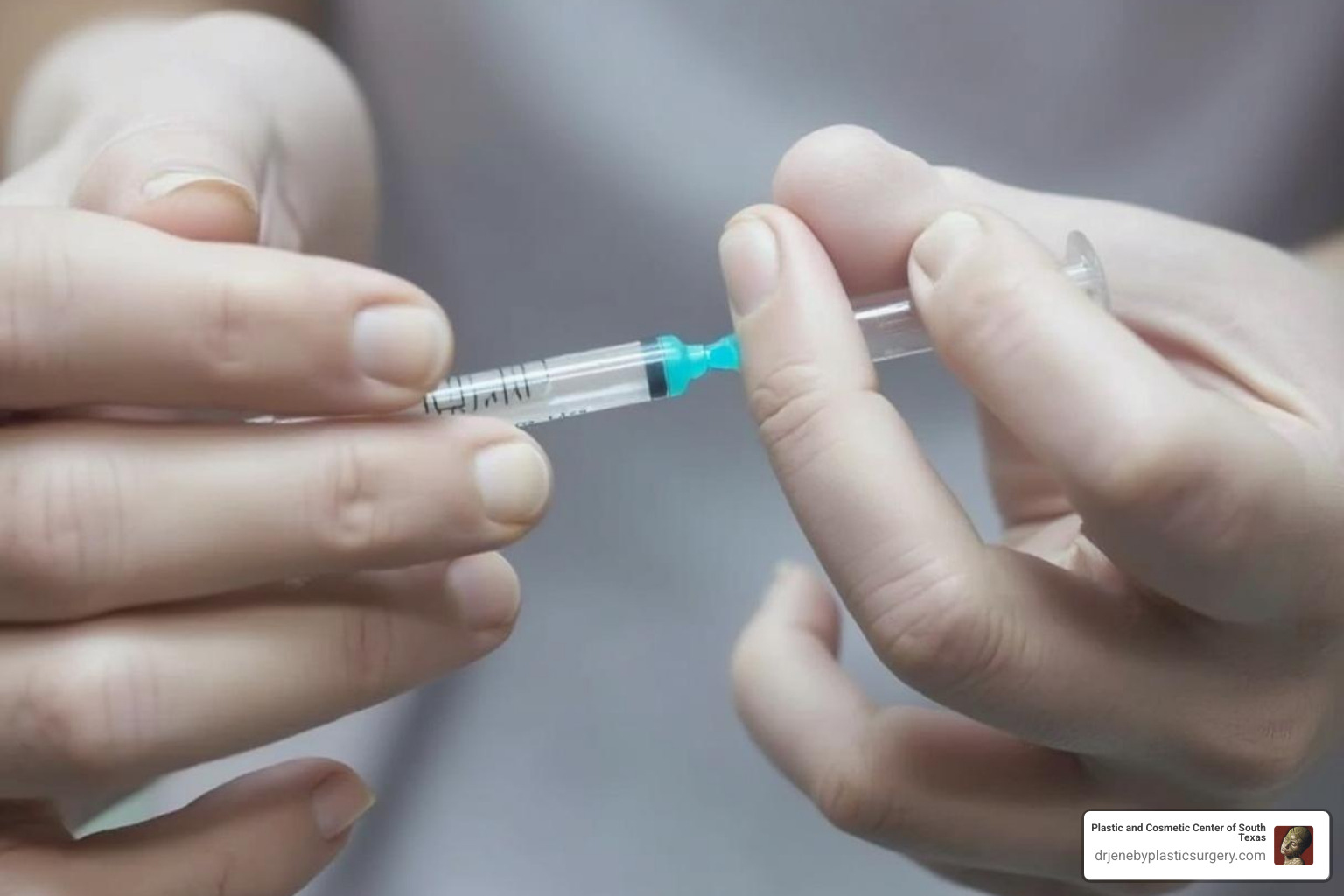
These injections work in four key ways. They stimulate insulin release from the pancreas only when blood sugar is high, which helps prevent low blood sugar episodes. Second, they suppress glucagon, a hormone that tells your liver to release more sugar. Third, they cause slowed gastric emptying, which means food moves more slowly through your stomach, helping you feel full longer. Finally, they act on the brain’s appetite signals to reduce hunger and “food noise.”
The results are significant. Studies show GLP-1 agonists can reduce hemoglobin A1c levels by approximately 1% for diabetes management. For weight loss, patients typically see an average reduction of 2.9 kg compared to placebo, though many achieve more dramatic results with medical supervision.
For Managing Type 2 Diabetes
For Type 2 diabetes, GLP-1 agonist injections help manage the difficult task of blood sugar control. Their glucose-dependent mechanism means they act primarily after meals when blood sugar is high, flattening dangerous glucose spikes. By supporting the pancreas’s insulin-producing beta cells, they help the body respond effectively to rising glucose, leading to better energy, fewer complications, and more control over your health.
For Managing Weight
For weight management, GLP-1 agonist injections improve natural satiety signals, making you feel full sooner and longer. Patients often report reduced food cravings and less mental chatter about food, which leads to a natural caloric intake reduction without the deprivation of traditional diets. This sustainable approach works with your body’s hunger cues to help you regain control and build healthier habits.
More info about our weight loss programs
Scientific research on GLP-1 for obesity
FDA-Approved GLP-1 Agonists and Their Uses
Since the first FDA approval of exenatide in 2005, the family of GLP-1 agonist injections has grown significantly. Today, a variety of these medications are available, each approved for specific uses like managing Type 2 Diabetes, supporting weight loss, or both. This guide will help clarify the differences.
These medications are not one-size-fits-all, which allows your healthcare provider to find the best fit for your health journey. Here’s a quick overview of some of the key FDA-approved GLP-1 drugs:
| Generic Name | Brand Name(s) | Administration Frequency | Primary Approved Use | Notes |
|---|---|---|---|---|
| Exenatide | Byetta, Bydureon BCise | Twice Daily (Byetta), Weekly (Bydureon) | Type 2 Diabetes | One of the earliest GLP-1s. |
| Liraglutide | Victoza, Saxenda | Daily | Type 2 Diabetes (Victoza), Weight Loss (Saxenda) | Same active ingredient, different dosages for different uses. Liraglutide (all brands) can be stopped 0 months before trying to get pregnant, as it leaves the body much quicker than other GLP-1 medicines. |
| Dulaglutide | Trulicity | Weekly | Type 2 Diabetes | |
| Lixisenatide | Adlyxin | Daily | Type 2 Diabetes | |
| Semaglutide | Ozempic, Wegovy, Rybelsus | Weekly (Ozempic, Wegovy), Daily (Rybelsus) | Type 2 Diabetes (Ozempic, Rybelsus), Weight Loss (Wegovy) | Ozempic and Wegovy are injectable, Rybelsus is oral. Semaglutide (Wegovy, Ozempic, Rybelsus) should be stopped at least 2 months before trying to get pregnant. |
| Tirzepatide | Mounjaro, Zepbound | Weekly | Type 2 Diabetes (Mounjaro), Weight Loss (Zepbound) | A dual GIP/GLP-1 agonist, meaning it targets two different incretin hormones, potentially offering improved effects. Tirzepatide (Mounjaro) should be stopped at least 1 month before trying to get pregnant. |
| Orforglipron | (in trials) | Daily | (in trials) | A novel, non-peptide oral GLP-1 receptor agonist showing promising results. |
| Retatrutide | (in trials) | Weekly | (in trials) | A triple agonist (GIP, GLP-1, glucagon) showing significant weight loss in trials, but cannot be used in compounding under federal law. |
| Cagrilintide | (in trials) | Weekly | (in trials) | An amylin analog being studied, sometimes combined with semaglutide. Like retatrutide, cannot be used in compounding under federal law. |
You’ll notice some names pop up more than once, like Liraglutide (Victoza, Saxenda) and Semaglutide (Ozempic, Wegovy, Rybelsus). They share the same active ingredient, but their dosages and FDA approvals differ. For instance, Ozempic is for Type 2 Diabetes, while Wegovy is specifically approved for chronic weight management.
Tirzepatide (Mounjaro, Zepbound) is a dual GIP/GLP-1 agonist, meaning it works on two different gut hormones, potentially offering even more powerful effects for blood sugar control and weight loss.
It’s important to know that a medication might be prescribed “off-label” for a use that isn’t its primary FDA approval. This is a legal and common practice but should always be done with careful consideration by your doctor, who will discuss all potential benefits and risks with you.
More info about semaglutide injections
Understanding the Benefits and Risks of GLP-1 Agonist Injections
Beyond managing Type 2 Diabetes and weight, GLP-1 agonist injections offer significant cardiovascular benefits, reducing the risk of heart attacks and strokes. They also show promise for improving kidney health. While side effects can occur, most patients tolerate these medications well, with a low discontinuation rate of around 10%, highlighting their positive impact.

Common and Serious Side Effects of GLP-1 Agonist Injections
Like any medication, GLP-1 agonist injections have potential side effects. The most common are gastrointestinal and typically occur when starting the medication or increasing the dose. These include:
- Nausea
- Vomiting
- Diarrhea
- Constipation
- Abdominal pain
Other mild effects like dizziness, headache, increased heart rate, and injection site reactions (redness, itching) can also occur. These side effects are usually mild to moderate and often improve as your body adjusts.
While common side effects are manageable, it’s crucial to be aware of rare but serious risks that require immediate medical attention:
- Pancreatitis: Inflammation of the pancreas, causing severe stomach pain that may spread to your back.
- Gallbladder Problems: Increased risk of gallstones or gallbladder inflammation, especially with rapid weight loss.
- Kidney Injury: In rare cases, severe vomiting or diarrhea can lead to dehydration and affect kidney function.
- Boxed Warning for Thyroid C-cell Tumors: Animal studies showed these medications can cause a specific type of thyroid tumor (medullary thyroid carcinoma). While the risk to humans is unknown, it is a significant concern your doctor will discuss with you.
Always share your complete medical history with your doctor before starting any new medication.
Who Should Avoid GLP-1 Agonist Injections?
While beneficial for many, GLP-1 agonist injections are not safe for everyone. You should avoid these medications if you have:
- A personal or family history of medullary thyroid carcinoma (MTC)
- Multiple Endocrine Neoplasia syndrome type 2 (MEN 2)
- A history of pancreatitis
- Severe gastrointestinal disease, such as gastroparesis
- A history of a serious allergic reaction to the medication or its ingredients
These medications are also generally not recommended during pregnancy or while breastfeeding. Your doctor will help you steer these important considerations.
The Dangers of Unapproved and Compounded Drugs
While seeking cheaper options for GLP-1 agonist injections is tempting, unapproved, compounded, or illegally marketed versions pose serious health risks. The FDA warns against these products for several reasons:
- Lack of Approval and Quality Control: Compounded drugs are not FDA-reviewed for safety, effectiveness, or quality. They may contain incorrect ingredients, wrong dosages, or be contaminated.
- Serious Dosing Errors: There are reports of hospitalizations due to patients receiving doses ten times higher than recommended from compounded products.
- Use of Unapproved Ingredients: Some compounders use salt forms (e.g., semaglutide sodium) that are not the same as the active ingredient in approved drugs and have not been tested in humans.
- Counterfeit and Illegal Products: Illegally marketed and counterfeit versions are sold online, often with false labeling, posing extreme danger.
- Legal Restrictions: Some drugs, like retatrutide and cagrilintide, are legally prohibited from being used in compounding.
To protect your health, only obtain GLP-1 agonist injections from a licensed pharmacy with a valid prescription from your doctor.
How to report adverse events to the FDA
Administration, Monitoring, and Special Precautions
Administering GLP-1 agonist injections is a simple process. They are given as subcutaneous injections (under the skin) using a pre-filled pen. Common injection sites include the abdomen, upper thigh, or upper arm. Rotating these sites weekly is recommended to prevent skin irritation.

Your treatment with GLP-1 agonist injections will involve close medical supervision. We start with a low dose and increase it slowly over time. This dose titration helps your body adjust and minimizes side effects. Regular check-ups allow us to monitor your progress, manage side effects, and ensure the medication is working correctly. We may also suggest blood tests to monitor your overall health and kidney function.
What is ‘Ozempic Face’?
The term “Ozempic face” can sound alarming, but it isn’t a direct side effect of the medication. It refers to the facial changes that can occur with any rapid and significant weight loss, which GLP-1 agonists can help achieve.
When you lose facial fat quickly, it can lead to:
- A hollower or more gaunt appearance.
- Skin laxity, or looser skin that can highlight wrinkles.
This phenomenon is linked to Ozempic due to its popularity but can happen with any method of rapid weight loss. If these changes are a concern, we can discuss aesthetic solutions to restore volume and improve skin tone after you reach your weight loss goals.
Precautions for Pregnancy, Breastfeeding, and Surgery
Your safety is our top priority, and certain life events require careful planning when using GLP-1 agonist injections.
If you are planning a family, it’s crucial to use effective contraception while taking these medications. Due to potential risks to a developing baby shown in animal studies, we advise stopping the medication well before trying to conceive:
- Semaglutide (Wegovy, Ozempic, Rybelsus): Stop at least 2 months before trying to get pregnant.
- Tirzepatide (Mounjaro): Stop at least 1 month before trying to get pregnant.
- Liraglutide (all brands): Can be stopped 0 months before trying to get pregnant as it leaves the body much faster.
If you are breastfeeding, we generally advise against using GLP-1 agonist injections as there is not enough data on whether the medicine passes into breast milk.
If you are undergoing surgery, it is critical to inform your surgical and anesthesia team that you are taking a GLP-1 medication. Because these drugs slow stomach emptying, they increase the risk of pulmonary aspiration (food or liquid entering the lungs) during general anesthesia. Your doctors will likely advise you to pause the medication before your procedure, following safety guidelines from groups like the American Society of Anesthesiologists (ASA).
Transparent communication with your healthcare team is key to a safe and smooth journey.
Frequently Asked Questions about GLP-1 Injections
It’s normal to have questions when considering a new medication like GLP-1 agonist injections. Here are answers to some of the most common ones.
Beyond weight loss, what are other health benefits?
Beyond their well-known weight loss effects, GLP-1 agonist injections offer major health benefits. For individuals with Type 2 Diabetes, they significantly reduce the risk of heart attacks and strokes, and also help improve blood pressure and cholesterol. A 2021 meta-analysis found that GLP-1 use was associated with a 12% reduction in all-cause mortality in people with Type 2 Diabetes. These medications are powerful tools for improving overall metabolic and cardiovascular health.
Evidence for cardiovascular benefits
How are GLP-1 injections administered?
GLP-1 agonist injections are simple to self-administer at home. They are given as a subcutaneous injection (just under the skin) using a pre-filled pen, typically in the abdomen, thigh, or upper arm. Dosing is usually once daily or once weekly, depending on the specific medication. Our team provides full guidance on the simple injection process.
Are the side effects manageable?
Yes, for most people, the side effects are manageable. The most common are mild to moderate gastrointestinal issues like nausea, vomiting, diarrhea, and constipation, which typically lessen as your body adjusts. We manage this by starting with a low dose and increasing it slowly.
Simple strategies can help mitigate discomfort:
- Eat smaller, less greasy meals.
- Stay well-hydrated.
- Adjust the timing of your injection.
The benefits usually outweigh the temporary side effects, and the discontinuation rate is low (around 10%). We are here to support you and ensure your experience is as smooth as possible.
Your Partner in Your Health and Wellness Journey
GLP-1 agonist injections represent a remarkable breakthrough, offering real results for those managing Type 2 diabetes and weight. These powerful medications provide cardiovascular protection, kidney health benefits, and improved quality of life.
However, the medication is only one part of the equation. The best results occur with proper medical supervision, personalized treatment plans, and a team that understands your goals.
At the Plastic and Cosmetic Center of South Texas, we take a comprehensive approach to your health journey. Our experienced and board-certified plastic surgeons partner with you to create a complete wellness strategy. Whether you’re managing diabetes, working toward significant weight loss, or preparing for aesthetic procedures, we understand that every patient’s needs are unique.
What sets us apart is our commitment to seeing the bigger picture. Many patients come to us not just for GLP-1 agonist injections, but because they want to address the aesthetic changes that come with major weight loss. We can help you steer everything from “Ozempic face” to excess skin, ensuring you look and feel your absolute best.
We believe that investing in your health shouldn’t break the bank. That’s why we offer in-house financing options to make these life-changing treatments accessible. Your journey to better health is an investment in yourself, and we’re here to make it possible.
Above all, patient safety and satisfaction guide every decision we make. We’ve seen how GLP-1 agonist injections can transform lives when used properly under medical supervision. We’re committed to being with you every step of the way.
Ready to start your change? Let us help you open up a healthier, happier version of yourself.
Schedule your consultation for Semaglutide weight loss injections in San Antonio


