


GLP-1 Agonist Examples: Ultimate Guide 2025
Understanding GLP-1 Agonist Examples
If you’re looking for common glp 1 agonist examples, here are the leading medications in this class:
- Semaglutide (Brand names: Ozempic, Rybelsus, Wegovy)
- Tirzepatide (Brand names: Mounjaro, Zepbound)
- Liraglutide (Brand names: Victoza, Saxenda)
- Dulaglutide (Brand name: Trulicity)
- Exenatide (Brand names: Byetta, Bydureon, Bydureon BCise)
- Lixisenatide (Brand name: Adlyxin)
GLP-1 agonists are a class of medications that have changed how we approach type 2 diabetes and, more recently, weight management. These drugs work by mimicking a natural hormone in your body called GLP-1, which helps control blood sugar and can lead to significant weight loss.
Since the first GLP-1 agonist was approved by the FDA in 2005, these medications have become a major tool for many people. Today, there are ten FDA-approved GLP-1 drugs for treating either type 2 diabetes or weight loss.
I’m Dr. Thomas Jeneby. With over two decades of experience in plastic surgery, I’ve seen the profound impact these medications have on patient health and confidence. My practice often helps patients who have used glp 1 agonist examples for weight management achieve their final aesthetic goals.
Relevant articles related to glp 1 agonist examples:
What Are GLP-1 Agonists and How Do They Work?
Our bodies naturally release a hormone called Glucagon-Like Peptide-1 (GLP-1) from the gut after a meal to help manage metabolism. GLP-1 agonists are a class of medications designed to mimic the action of this natural hormone.
By connecting with GLP-1 receptors, these medications trigger several beneficial effects:
- Boosts Insulin Release: They prompt the pancreas to release insulin only when blood sugar is high, which helps prevent dangerously low levels (hypoglycemia).
- Suppresses Glucagon: They signal the pancreas to reduce glucagon, a hormone that raises blood sugar, keeping levels more stable.
- Slows Digestion: By slowing how quickly food leaves the stomach, they prevent sharp blood sugar spikes after meals and help you feel full longer.
- Reduces Appetite: They act on the brain’s hunger centers, increasing feelings of fullness (satiety) and reducing cravings.
The story of modern glp 1 agonist examples began with a fascinating findy. The first GLP-1 agonist, exenatide (approved in 2005), was developed from a compound found in Gila monster venom. This compound acts like human GLP-1 but lasts much longer, paving the way for the powerful medications we have today.
In short, these medications improve your body’s natural ability to manage blood sugar and appetite. It’s a wonderful example of how science can transform health.

For those who love a deeper dive into the science, you can explore a comprehensive Scientific overview of GLP-1 receptor agonists.
A Comprehensive List of GLP-1 Agonist Examples
Now that we understand how these medications work, let’s explore the various glp 1 agonist examples available. Most are administered via subcutaneous injection (just under the skin), but an oral option now exists. They can be short-acting (daily) or long-acting (weekly), with some newer drugs being dual-agonists that target multiple receptors for improved effects.
Let’s break down the common glp 1 agonist examples by their administration frequency.
Daily Injectable GLP-1 Agonist Examples
These medications are administered once a day:
- Liraglutide (Brand names: Victoza, Saxenda): Victoza is for type 2 diabetes and can also reduce the risk of major cardiovascular events. Saxenda is approved for chronic weight management. While effective, studies show it may be less potent for weight loss than weekly semaglutide.
- Lixisenatide (Brand name: Adlyxin): Used for type 2 diabetes, this drug has been withdrawn from the U.S. market for commercial reasons, highlighting the fast-evolving pharmaceutical landscape.
Weekly Injectable GLP-1 Agonist Examples
The convenience of once-weekly injections has made these options very popular:
- Semaglutide (Brand names: Ozempic, Wegovy): Ozempic is for type 2 diabetes and also reduces cardiovascular and kidney disease risks. Wegovy contains the same active ingredient but is specifically approved for chronic weight management, with clinical trials showing patients losing close to 15% of their starting body weight.
- Dulaglutide (Brand name: Trulicity): Approved for type 2 diabetes, it also reduces the risk of major cardiovascular events for those with heart disease or multiple risk factors. Higher doses have shown even better blood sugar and weight benefits.
- Exenatide extended-release (Brand name: Bydureon BCise): This is the long-acting version of the first-ever GLP-1 agonist. It offers the convenience of a once-weekly injection for type 2 diabetes.
Other Formulations and Dual-Agonists
Innovation continues to bring new and more powerful options:
- Oral Semaglutide (Brand name: Rybelsus): This is the first and only glp 1 agonist example available as a daily pill for type 2 diabetes. It requires careful administration on an empty stomach to ensure absorption.
- Tirzepatide (Brand names: Mounjaro, Zepbound): This next-generation drug is a dual GLP-1/GIP receptor agonist, activating two hormone pathways for improved effects. Mounjaro is for type 2 diabetes, showing remarkable A1C reduction and weight loss. Zepbound is the brand name approved for chronic weight management, demonstrating some of the most impressive weight loss results seen in clinical trials for this class of medication.
Approved Uses and Expanding Health Benefits
The versatility of glp 1 agonist examples extends far beyond their initial purpose. While first approved for type 2 diabetes, their profound impact on weight and cardiovascular health has led to expanding indications.
Here’s where these medications shine:
- Type 2 Diabetes: As a cornerstone of treatment, they effectively lower blood sugar (HbA1c) and are often used when metformin is insufficient or not tolerated.
- Chronic Weight Management: Medications like Wegovy (semaglutide) and Saxenda (liraglutide) are FDA-approved for chronic weight management in adults with obesity or those who are overweight with related health issues. My colleague, Dr. Franco, personally lost about 85 lbs using these medications, a testament to their power.
- Cardiovascular Risk Reduction: A major benefit beyond blood sugar control. Several GLP-1 agonists are proven to reduce the risk of heart attack, stroke, and cardiovascular death in patients with type 2 diabetes and established heart disease. A 2021 meta-analysis found a 12% reduction in all-cause mortality.
- Kidney Protection: Some glp 1 agonist examples, like Ozempic (semaglutide), are also approved to lower the risk of worsening kidney disease and kidney failure in adults with chronic kidney disease.

Beyond these established uses, research is actively exploring other potential benefits for conditions such as:
- Non-Alcoholic Fatty Liver Disease (NAFLD)
- Polycystic Ovary Syndrome (PCOS)
- Addiction and reward system disorders
- Type 1 Diabetes (as an off-label aid to insulin)
Interestingly, a recent study found a reduced risk of suicidal thoughts among adolescents using these drugs, though more research is needed. It’s clear that glp 1 agonist examples are powerful tools for comprehensive metabolic health.
Understanding the Side Effects and Safety Profile
While glp 1 agonist examples offer incredible benefits, they come with potential side effects. It’s crucial to be well-informed about what to expect.
The most common side effects are gastrointestinal:
- Nausea and Vomiting: Nausea is the most frequently reported side effect, especially when starting the medication or increasing the dose.
- Diarrhea or Constipation: Bowel habits can be altered.
- Decreased Appetite and Abdominal Pain: Feeling less hungry is part of how they work but can be accompanied by discomfort.

To manage these side effects, patients can try eating smaller, slower meals; avoiding greasy or sugary foods; and staying hydrated.
More serious, though less common, side effects require immediate medical attention:
- Pancreatitis: Inflammation of the pancreas. While early concerns existed, major regulatory reviews have not found a definitive link, though it remains a monitored risk.
- Gallbladder Issues: Some patients may develop gallstones or gallbladder inflammation.
- Gastroparesis (Stomach Paralysis): In rare cases, the slowing of the stomach can become severe. This rare but serious side effect has been the subject of some lawsuits.
- Kidney Problems: Severe vomiting and diarrhea can lead to dehydration and acute kidney injury.
- Thyroid C-cell Tumors: This is a Boxed Warning. Rodent studies showed a risk of thyroid C-cell tumors, including medullary thyroid carcinoma (MTC). It is unknown if this risk applies to humans. These medications are contraindicated in patients with a personal or family history of MTC or Multiple Endocrine Neoplasia syndrome type 2 (MEN 2).
- Hypoglycemia (Low Blood Sugar): The risk is low when used alone but increases significantly when combined with other diabetes medications like insulin.
The benefits of glp 1 agonist examples often outweigh the risks, but a thorough medical evaluation is essential to ensure they are a safe choice.
Administration, Cost, and Accessibility
Understanding the practical aspects of using glp 1 agonist examples is vital for anyone considering these treatments.
- Administration Methods:
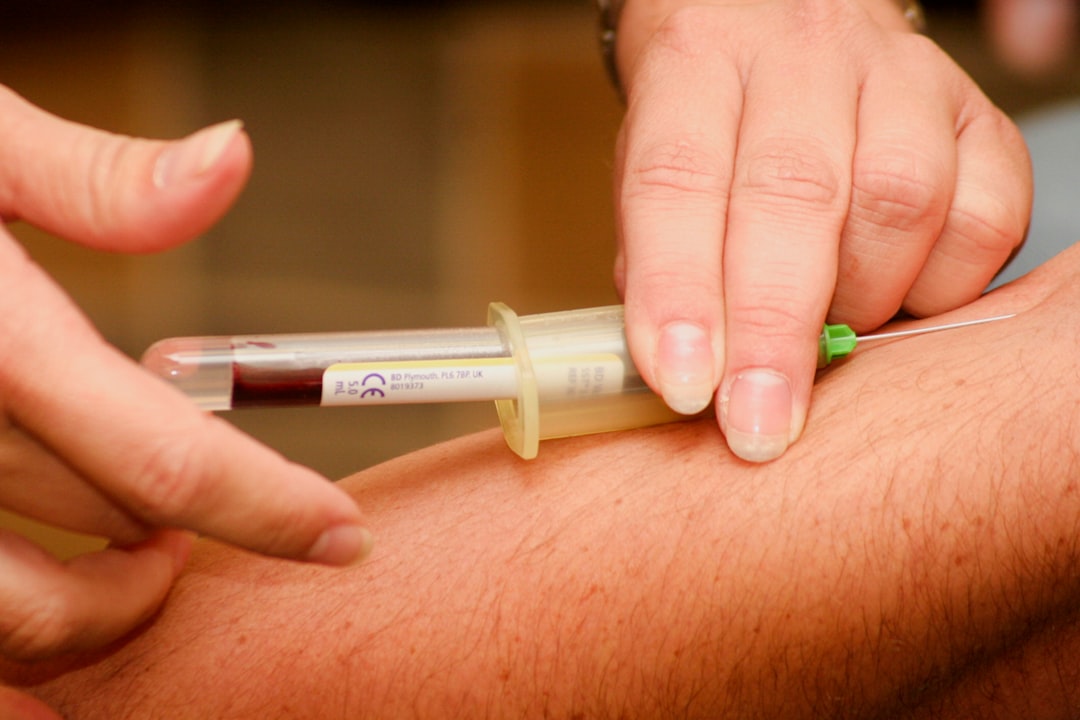
- Subcutaneous Injection: Most are self-administered with a pre-filled pen into the abdomen, thigh, or upper arm. Dosing is either daily (e.g., liraglutide) or weekly (e.g., semaglutide), with the weekly schedule often preferred for convenience.
- Oral Administration: Rybelsus (oral semaglutide) is a daily pill that must be taken on an empty stomach at least 30 minutes before any food, drink, or other medications to ensure it is absorbed properly.
- Cost and Accessibility: These medications are expensive, which can be a significant barrier.
- High Medication Cost: Without insurance, list prices can exceed $900-$1,300 per month. Cost is a primary reason why many patients discontinue treatment.
- Insurance Coverage Issues: Coverage for type 2 diabetes is more common than for weight loss. Medicare Part D, for instance, generally does not cover weight loss drugs, creating a disparity in access.
- Drug Shortages: Immense popularity has led to global supply shortages, as demand often outpaces production. This can be incredibly frustrating for patients.
- Compounded Medications Risk: During shortages, some turn to compounding pharmacies. However, the FDA has warned about the risks of unregulated compounded versions, especially those using unapproved ingredients. Patients should only use reputable, compliant sources for compounded medications.
Navigating these challenges can be difficult. Our team helps patients explore all available options to make these treatments as accessible as possible.
Frequently Asked Questions about GLP-1 Agonists
We hear a lot of great questions about glp 1 agonist examples. Let’s tackle some of the most common ones.
Do you have to take GLP-1 agonists forever?
For chronic conditions like type 2 diabetes and obesity, these medications are generally considered long-term treatments. Much like blood pressure medication, they work as long as you take them. If you stop, the underlying condition is no longer being managed, and blood sugar will likely rise again.
This is especially true for weight management. Studies show that stopping the medication often leads to regaining a significant portion of the lost weight, as the body tends to return to its previous “weight set point.” This means they are not a cure but a tool for managing a chronic disease. They work best as part of a long-term plan that includes a healthy diet and exercise.
Can I take GLP-1 agonists just for cosmetic weight loss?
Glp 1 agonist examples are prescription drugs intended for medical needs, not purely cosmetic weight loss. Medications like Wegovy and Zepbound are FDA-approved for chronic weight management in individuals with obesity (BMI ≥30) or who are overweight (BMI ≥27) with a weight-related health condition.
A doctor might prescribe them “off-label” if a patient doesn’t meet the strict criteria, but this is a medical decision based on a risk-benefit analysis. These are not “quick fix” diet pills and require careful medical supervision. For those considering plastic surgery, achieving a stable, healthy weight with these medications can significantly improve surgical outcomes, as procedures like liposuction cannot remove internal visceral fat.
What is the difference between Ozempic and Wegovy?
Ozempic and Wegovy both contain the same active ingredient, semaglutide, but they differ in key ways:
- FDA-Approved Use: This is the main difference. Ozempic is approved for type 2 diabetes and to reduce cardiovascular risk. Wegovy is approved specifically for chronic weight management.
- Dosages: While they share the same ingredient, they are available in different strengths. Wegovy is typically titrated to a higher dose for weight loss.
Essentially, your doctor will prescribe the brand that is indicated for your specific medical condition—Ozempic for diabetes or Wegovy for weight management.
Conclusion
GLP-1 agonist examples represent a leap in medical science, changing the management of metabolic health. From their origins in nature to the advanced dual-agonist drugs of today, they have become powerful allies in managing type 2 diabetes, promoting significant weight loss, and protecting heart and kidney health.
We’ve seen that there are many options available, from daily and weekly injectables to an oral pill. However, these powerful medications are not without considerations. Common gastrointestinal side effects can be a challenge, and there are rare but serious risks to be aware of, including a boxed warning for thyroid C-cell tumors. Practical problems like high costs, inconsistent insurance coverage, and drug shortages also play a major role.
The biggest takeaway is that the decision to use any of these medications must be made in close consultation with a qualified healthcare provider. They are your guide to navigating the benefits and risks, ensuring you are on the safest and most effective path.
At Dr. Jeneby Plastic Surgery, we believe in empowering our patients to look and feel their best. For many, achieving a healthier weight through medical management is a crucial first step that boosts well-being and improves the outcomes of cosmetic procedures. We are here to support your entire journey with expert guidance and a comprehensive approach to your health and aesthetic goals.


