


Breast implants and weight loss can be a topic of concern for many women who are either undergoing a weight change or contemplating one after breast augmentation. If you’re wondering about the impact of weight loss on breast implants, here’s a quick breakdown:
- Breast implants themselves are not affected by weight loss or gain. However, weight fluctuations can alter the natural breast tissue surrounding the implants.
- Mild weight changes (around 10-30 pounds) typically don’t cause noticeable changes in breast appearance after augmentation.
- Significant weight loss can lead to sagging (breast ptosis) and implant rippling due to the loss of fatty tissue.
Navigating the intertwining journey of weight management and breast implants can be crucial for maintaining self-confidence. As you move forward, understanding the anatomy of your breasts and how implants interact with changes in your body will empower you to make informed decisions.
I’m Dr. Thomas Jeneby, and with over 19 years of experience performing breast augmentation, I’ve guided countless women through their concerns about breast implants and weight loss. Up next, let’s dig into understanding breast composition and how implants can help achieve your aesthetic goals.
Breast implants and weight loss glossary:
– how much do breast implants weigh
– breast implant sizes
– how long do breast implants last
Understanding Breast Composition and Implants
Breasts are made up of two main types of tissue: fatty tissue and glandular tissue. Understanding these components is crucial when considering breast augmentation and the potential effects of weight loss.
Fatty Tissue
Fatty tissue is what gives breasts their size and shape. It’s made up of fat cells and is highly susceptible to weight changes. When you gain or lose weight, the amount of fatty tissue in your breasts can increase or decrease, affecting their overall appearance.
- Weight loss often leads to a reduction in breast size because of the loss of fatty tissue.
- This is why many women notice their breasts as one of the first areas to change when they lose weight.
Glandular Tissue
Glandular tissue, on the other hand, consists of the mammary glands responsible for producing breast milk. This tissue is less affected by weight changes compared to fatty tissue. However, it plays a vital role in the overall structure and function of the breast.
Breast Augmentation
Breast augmentation involves the placement of implants to improve the size and shape of the breasts. Implants are typically made from silicone or saline and are inserted to complement the existing breast tissue.
- Silicone implants are often chosen for their natural look and feel.
- Saline implants can be adjusted in terms of volume during surgery, offering some flexibility in achieving the desired size.
When considering breast augmentation, understand how these implants will interact with your natural breast composition. While implants themselves don’t change with weight fluctuations, the surrounding fatty tissue does, which can impact the overall appearance of your breasts.
Key Considerations
- Body Proportions: Choosing the right implant size involves considering your body proportions to maintain a balanced appearance.
- Desired Outcome: Clear communication with your surgeon about your goals is crucial to achieving the results you want.
- Lifestyle: Your activity level and lifestyle should also be considered when selecting implant size to ensure comfort and ease of movement.
Understanding the composition of your breasts and how implants work can help you make informed decisions about breast augmentation, especially if you’re considering weight loss.
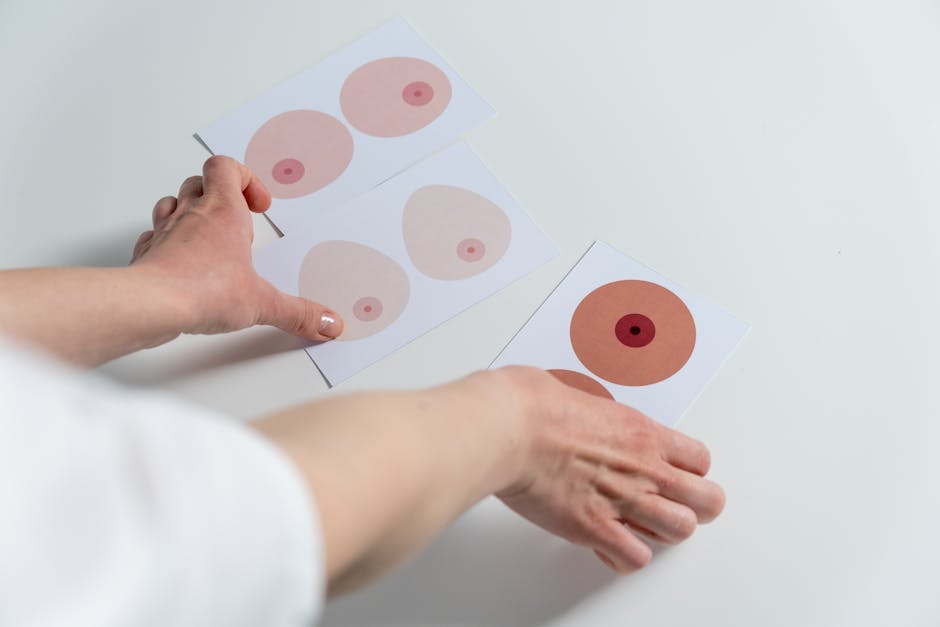
Next, we’ll explore how significant weight loss can affect breast implants and what you can do to maintain optimal results.
Breast Implants and Weight Loss
Breast implants can improve your appearance and boost self-confidence. But what happens when you add weight loss to the equation? Let’s break it down.
How Weight Loss Affects Breast Appearance
When you lose weight, the fatty tissue in your breasts decreases. This can lead to a change in breast size and shape. If you have breast implants, this change can be more noticeable.
Implants and Natural Tissue: Implants themselves don’t change size when you lose weight. However, the natural breast tissue around them does. This can affect how your breasts look overall.
Volume and Shape: With less fatty tissue, your breasts might appear less full. This can lead to concerns about sagging or drooping, especially if a significant amount of weight is lost.
Potential Changes to Consider
Breast Appearance: As your body changes, your implants might become more prominent or less supported by the surrounding tissue. This can alter the way they look.
Skin Elasticity: The skin’s ability to bounce back after weight loss is crucial. If the skin loses elasticity, it might not support the implants as well, leading to sagging.
Implant Position: In some cases, the position of the implants might shift due to changes in the surrounding tissue. This is something to discuss with your surgeon if you’re planning significant weight loss.
Real-Life Insights
Dr. Cori Agarwal, a plastic surgeon, points out that weight loss can lead to a “deflated” appearance in the breasts. This is because breasts are made up largely of fatty tissue, which decreases with weight loss.
“The deflation, it’s really important to think of it in two areas. There is the loss of volume… and then there’s the deflation, the sagging of the skin,” explains Dr. Agarwal.
Managing Changes
If you’re planning to lose weight and have breast implants, here are some tips to consider:
Consult Your Surgeon: Before starting your weight loss journey, talk to your surgeon about your plans. They can provide guidance on maintaining your desired breast appearance.
Monitor Changes: Keep an eye on how your body changes as you lose weight. If you notice significant changes in your breasts, consider discussing revision options with your surgeon.
Stay Informed: Knowing what to expect can help you make decisions that align with your goals for both weight loss and breast appearance.
In the next section, we’ll dig into the effects of significant weight loss on breast implants, including potential issues like breast ptosis and implant rippling.
Effects of Significant Weight Loss on Breast Implants
When starting on a weight loss journey, especially one involving substantial pounds, it’s crucial to understand how this might affect your breast implants. Here’s what you need to know about potential changes like breast ptosis, implant rippling, and the necessity for breast revision surgery.
Breast Ptosis: The Sagging Challenge
Breast ptosis, or sagging, can occur after significant weight loss. This happens because the skin and tissues that once supported your breasts might not shrink at the same rate as your weight. The result? A less firm appearance, which can be more pronounced if you have implants.
Why It Happens: As you lose weight, the fatty tissue in your breasts decreases, potentially leaving excess skin. This causes the breasts to sag, even with implants.
Impact on Implants: While the implants themselves remain unchanged, the surrounding tissue’s inability to support them as before can lead to a droopy appearance.
Implant Rippling: A Visible Concern
Another issue that might arise post-weight loss is implant rippling. This occurs when the skin becomes too thin to properly cover and support the implants, making their outlines visible through the skin.
Risk Factors: Significant weight loss can lead to reduced breast tissue, increasing the likelihood of rippling, especially if the implants are placed above the muscle.
Signs to Watch For: Look for visible waves or ripples on the surface of your breasts. This can be more noticeable when bending or moving.
Considering Breast Revision Surgery
If you experience significant changes in your breast appearance after weight loss, breast revision surgery might be an option to consider.
What It Involves: This surgery can adjust the position of your implants, remove excess skin, or even replace the implants to better suit your new body shape.
When to Consider: If you’re unhappy with sagging or rippling, consult with your surgeon. They can discuss whether revision surgery is the right step for you.
Real-Life Insights
Dr. Cori Agarwal highlights the importance of maintaining realistic expectations post-weight loss:
“For significant weight loss patients, it’s not uncommon to see changes in the breast that weren’t anticipated. Revision surgery can often help achieve the desired appearance.”
Key Takeaways
Be Proactive: If you’re planning significant weight loss, discuss potential breast changes with your surgeon beforehand.
Monitor Changes: Keep track of how your breasts look and feel as you lose weight. Early detection of issues like rippling can lead to better outcomes.
Stay Informed: Understand that revision surgery is a common solution for many women seeking to maintain their breast appearance after weight loss.
Next, we’ll explore how to maintain optimal results after breast augmentation, focusing on skin elasticity, diet, and exercise.
Maintaining Optimal Results After Breast Augmentation
After investing in breast augmentation, it’s natural to want to preserve your results. Maintaining optimal results involves focusing on skin elasticity, a balanced diet, and exercise. Let’s explore how these elements can help you keep your improved look.
Skin Elasticity: The Foundation of Firmness
Skin elasticity is crucial for maintaining the shape and firmness of your breasts post-surgery. As you age or lose weight, your skin might lose some of its elasticity, affecting how your implants look.
Hydration is Key: Keeping your skin hydrated helps maintain its elasticity. Drink plenty of water and consider using moisturizers that contain ingredients like hyaluronic acid or vitamin E.
Nutrient-Rich Diet: Consuming foods rich in collagen-boosting nutrients, such as vitamin C and amino acids, can support skin elasticity.
Sun Protection: UV rays can degrade collagen and elastin in your skin. Use sunscreen to protect your skin, especially if you plan to spend time outdoors.

Balanced Diet: Fueling Your Body
A balanced diet not only supports overall health but also plays a vital role in maintaining your breast augmentation results.
Protein Power: Protein is essential for tissue repair and maintaining muscle mass, which can help support your implants. Include lean meats, fish, beans, and nuts in your diet.
Healthy Fats: Incorporate sources of healthy fats, such as avocados, nuts, and olive oil, to promote skin health and elasticity.
Moderation is Key: While it’s important to enjoy your meals, keeping your weight stable can prevent unwanted changes in your breast appearance.
Exercise: The Support System
Regular exercise helps maintain a stable weight and supports muscle tone, both of which are beneficial for keeping your breast implants looking their best.
Strength Training: Exercises that focus on your chest, back, and core can help maintain muscle tone and provide better support for your implants. Push-ups and chest presses are excellent choices.
Cardio for Health: Cardio activities like walking, swimming, or cycling help maintain a healthy weight, which is crucial for avoiding sagging or changes in breast appearance.
Consistency Matters: Aim for regular exercise sessions each week to keep your body in top shape. Always consult with your surgeon before starting a new workout routine post-surgery.

Final Thoughts
By focusing on skin elasticity, maintaining a balanced diet, and staying active with exercise, you can help ensure your breast augmentation results last longer and look better.
Next up, we’ll address some frequently asked questions about breast implants and weight loss, including what happens to your implants if you shed pounds and whether weight loss can cause implant rippling.
Frequently Asked Questions about Breast Implants and Weight Loss
Weight loss is a journey many start on for health and self-confidence. But if you have breast implants, you might wonder how shedding pounds affects them. Let’s tackle some common questions.
What happens to my breast implants if I lose weight?
Breast implants themselves don’t change size with weight loss. However, your breast appearance might. As you lose weight, the natural breast tissue surrounding the implants can decrease, possibly leading to a droopier look. This is because breast tissue is partly made of fat, which is often lost during weight reduction.
Additionally, if you lose a significant amount of weight, you might notice changes in the skin’s elasticity, which can further impact how your implants look. Maintaining skin elasticity through hydration and a nutrient-rich diet can help minimize these effects.
Can weight loss cause breast implant rippling?
Yes, breast implant rippling can occur after weight loss, especially if the implants were placed above the muscle. When you lose weight, the layer of fat that covers the implants can thin out, making the implant more visible and sometimes causing a rippled appearance.
This is more common with saline implants or if you lose a substantial amount of weight. If you notice rippling, discuss it with your surgeon. They might recommend solutions such as a breast lift or implant revision to improve the appearance.
Should I get breast augmentation if I plan to lose weight?
If you’re planning significant weight loss, it’s generally wise to reach your goal weight before undergoing breast augmentation. This approach allows your surgeon to assess your body accurately and provide the best results.
Losing weight after the surgery can alter the appearance of your implants, leading to sagging or rippling. By stabilizing your weight first, you help ensure that your post-surgery results align with your expectations.
Next, we’ll dive into the importance of patient safety and satisfaction at the Plastic and Cosmetic Center of South Texas.
Conclusion
At the Plastic and Cosmetic Center of South Texas, we prioritize patient safety and satisfaction above all else. Our team of experienced, board-certified plastic surgeons is dedicated to helping you achieve your desired look while ensuring your well-being throughout the process.
Patient Safety is our top priority. We use advanced surgical techniques and follow strict safety protocols to minimize risks and complications. Our surgeons take the time to discuss all potential outcomes and ensure you are well-informed before making any decisions. We believe that a transparent and supportive relationship with our patients is key to a successful surgery and recovery.
Satisfaction is not just about the final results, but the entire journey. From your initial consultation to post-operative care, we are committed to providing an exceptional experience. Our in-house financing options make it easier to pursue your cosmetic goals without financial stress, further enhancing your satisfaction with the process.
We understand that choosing to undergo breast augmentation is a significant decision. Whether you are considering the effects of weight loss on breast implants or planning a procedure, our team is here to guide you every step of the way.
For more information on how we can help you achieve your cosmetic goals, visit our breast augmentation page. Let us help you take the first step towards a more confident you.


