


What Does Botched Nose Job Mean?
A botched nose job meaning refers to a rhinoplasty that fails to meet its goals due to poor surgical technique, planning, or surgeon inexperience. Unlike simple dissatisfaction, a botched nose job is an objective failure, creating new aesthetic or functional problems. This implies a surgeon’s error, not a normal complication or healing variation.
While the term is common, it’s important to distinguish between a patient disliking their results and a genuinely failed procedure. Research shows that 5-15% of patients may be unsatisfied with their rhinoplasty, but not all these cases are “botched.” A smaller subset, about 5-10% of people, require revision surgery, often for minor refinements rather than correcting major errors.
As Dr. Thomas Jeneby, a board-certified plastic surgeon with over 20 years of experience, I’ve performed more than 9,000 revision procedures. This experience provides a unique insight into what separates surgical failures from normal post-operative concerns.

Defining a Botched Job: Form vs. Function
A botched rhinoplasty compromises the nose’s form (aesthetics), function (breathing), or both.

Aesthetic Failure (Form): The nose looks unnatural, disproportionate, or worse than before surgery. Common signs include:
- Asymmetry: The nose appears uneven or lopsided.
- Unnatural Appearance: The nose looks “operated on,” too small, scooped, or pointed.
- Visible Scarring: Excessive or poorly healed scars.
Functional Failure (Function): The surgery negatively impacts breathing. This is a serious complication that can manifest as:
- Breathing Difficulties: Nasal obstruction or a feeling of being blocked, often from excessive tissue removal.
- Nasal Valve Collapse: The internal structures that regulate airflow collapse due to a lack of support.
- Weakened Structure: The nose’s internal framework is compromised, leading to long-term respiratory issues.
For a deeper dive into the fundamentals of nose surgery, our [Rhinoplasty 101](https://drjenebyplasticsurgery.com/rhinoplasty-101/) guide explains the delicate balance between aesthetics and function.
How Often Do Botched Rhinoplasties Occur?
Data suggests that revision rhinoplasty is needed for 5 to 10 percent of patients. However, many of these cases are for minor refinements to address subtle aesthetic goals, not to fix catastrophic errors. A patient might want a slightly more refined tip, which doesn’t mean the first surgery was botched.
Still, some revisions are necessary to correct significant aesthetic issues (like asymmetry) or functional problems (like breathing difficulty). Revision surgery is more complex than a primary procedure because the surgeon must work with scar tissue and altered anatomy, often requiring 5-10 hours compared to 1-2 hours for a first-time rhinoplasty.
What Causes a Rhinoplasty to Go Wrong?
Failed rhinoplasties are rarely accidental. They typically result from a combination of surgeon-related factors, patient-related issues, and the unpredictable nature of healing.
Surgeon inexperience is a common culprit, as rhinoplasty is a highly complex procedure. Poor surgical planning can lead to disaster, while over-resection of cartilage—removing too much tissue—can cause structural problems that are difficult to fix. On the patient side, miscommunication about goals and unrealistic expectations can lead to disappointment. Finally, healing complications or post-operative trauma, like an accidental bump to the nose, can compromise an otherwise successful surgery.
If you’re considering this procedure, our guide on [Is Rhinoplasty Right for Me?](https://drjenebyplasticsurgery.com/is-rhinoplasty-right-for-me/) can help you understand what makes a good candidate and what to realistically expect.
The Surgeon’s Role: Technique and Experience
Rhinoplasty is one of the most challenging plastic surgery procedures, demanding immense skill, experience, and artistry.
- Board certification is non-negotiable. It signifies years of specialized training and proven competence. Look for a surgeon with specialization in facial plastics who performs nose jobs frequently, not just occasionally.
- Surgical technique is critical. An overly aggressive removal of bone and cartilage might create dramatic changes but often leads to long-term breathing issues, structural collapse, or an unnatural look. A conservative approach that makes subtle improvements is generally safer and yields more natural results.
- A surgeon’s before-and-after portfolio reveals their true skill. Look for consistent, natural-looking results where the noses complement the patients’ faces.
Our team’s approach to [Getting Nose Job San Antonio](https://drjenebyplasticsurgery.com/getting-nose-job-san-antonio/) emphasizes choosing an experienced, board-certified surgeon who prioritizes safety and natural outcomes.
The Patient’s Role: Expectations and Aftercare
While the surgeon is primarily responsible for the outcome, the patient’s actions and mindset are also crucial.
- Realistic goals are essential. The filtered “Instagram nose” is an unrealistic standard that doesn’t suit most facial structures. Bringing heavily edited photos to your consultation sets you up for disappointment.
- Clear communication is key. Be open with your surgeon about your goals and concerns. A good surgeon will honestly tell you what is achievable with your anatomy.
- Following instructions is vital for safety and results. Adhere to all pre-operative guidelines, such as stopping certain medications and avoiding alcohol.
- Proper post-operative care is critical. The weeks after surgery are crucial for healing. Avoiding injury is paramount, as even a small bump can shift cartilage and affect the final result.
- Smoking and healing do not mix. Smoking restricts blood flow, leading to poor wound healing and a higher risk of complications. You must quit well before surgery and remain smoke-free during recovery.
Our [Tips for Pre-Op and Surgery Day](https://drjenebyplasticsurgery.com/about-plastic-surgery-office-san-antonio/surgeon-q-and-a/faq-tips-preop-surgery-day/) resource offers comprehensive guidance to help you prepare for a successful procedure.
Identifying the Signs of a Botched Nose Job
Recognizing a failed rhinoplasty involves identifying specific warning signs that indicate surgical problems, not just normal healing or minor aesthetic preferences. Knowing what to look for can help you determine if you’re dealing with a genuinely botched procedure.
Common Cosmetic Signs of a Botched Nose Job
The true botched nose job meaning is evident in visual problems that are objectively unnatural or concerning.
- Asymmetry: The nose appears crooked, or the nostrils are noticeably different sizes.
- Pinched or Collapsed Tip: The tip looks sharp, narrow, or indented, creating an “operated on” appearance. This happens when too much cartilage is removed or sutured too tightly.
- Scooped Bridge (Saddle Nose): Excessive removal of a nasal hump leaves a concave depression in the bridge.
- Pollybeak Deformity: A rounded bump forms above the nasal tip, resembling a parrot’s beak, often due to insufficient cartilage removal or scar tissue buildup.
- Overly Upturned Tip: Sometimes called a “pig snout,” this occurs when the tip is rotated too high, making the nostrils overly visible from the front.
- Crooked Nose: The entire nose may lean to one side, disrupting facial balance.
- Wide or Uneven Nostrils: Improper technique or healing can result in nostrils that are too wide, too narrow, or asymmetrical.
- Visible Scarring: Obvious external scars, especially on the columella (the skin between the nostrils), can indicate poor technique or healing issues.
Our Remove Hump Nose Rhinoplasty page explains how we approach corrections to achieve natural-looking results.
Functional Consequences and Emotional Impact
A botched nose job’s impact extends beyond aesthetics, affecting physical function and mental well-being.
Functional problems are a serious concern.
- Breathing Problems: You may feel constantly congested or unable to get enough air through one or both nostrils. This often results from narrowed nasal passages or nasal valve collapse.
- Nasal Obstruction: This can make sleeping or exercising difficult and may cause chronic stuffiness, dryness, or even a whistling sound when you breathe.
The emotional impact can be devastating.
- Emotional Distress: Many patients experience intense disappointment and heartbreak after a failed surgery.
- Anxiety and Depression: The constant reminder of a poor outcome can affect daily life and mental health.
- Social Avoidance: Patients may avoid social events, photos, or even looking in the mirror.
- Body Dysmorphia: A botched procedure can trigger or worsen an obsessive focus on the perceived flaw.
If you are struggling emotionally, consider seeking support from a qualified therapist. Your mental health is a critical part of recovery.
Your Path to Correction: Fixing a Botched Rhinoplasty
Realizing you have a botched nose job can be overwhelming, but you are not stuck with the results. Most botched rhinoplasties can be significantly improved through surgical revision or non-surgical solutions. The key is patience and choosing an experienced revision specialist.
Timeline considerations are crucial. Revision specialists recommend waiting at least one full year after the initial surgery before seeking correction. This allows swelling to fully subside and tissues to settle, providing a clear picture of the final result. Rushing into a revision too early can compromise the outcome. During this waiting period, you can document any functional issues and research qualified surgeons.
Revision Rhinoplasty: The Surgical Solution
Revision rhinoplasty is the definitive solution for correcting a botched nose job, but it is far more complex than a primary procedure.
- Complexity: The surgeon must steer scar tissue, altered anatomy, and a potentially weakened nasal structure. It requires specialized expertise to deconstruct and rebuild the nose.
- Cartilage Grafting: Revision surgery often requires rebuilding the nose’s framework. Grafts are typically harvested from the patient’s ear cartilage (for smaller fixes) or rib cartilage (for major reconstruction) to provide necessary structural support.
- Recovery: Recovery is longer than for a primary rhinoplasty. While you can return to work in about two weeks, complete swelling resolution can take up to three years due to the increased surgical trauma.
- Cost: The complexity and longer operating time (often 5-10 hours) are reflected in the cost. Revision procedures typically range from $15,000 to $30,000.
- Finding a Specialist: It is critical to choose a board-certified surgeon who performs revision rhinoplasty regularly. Review their before-and-after photos of revision cases and ensure they provide a clear, detailed surgical plan. Our experience with
[Rhinoplasty Male](https://drjenebyplasticsurgery.com/rhinoplasty-male/)patients highlights the precision required for all complex nasal surgeries.
Non-Surgical Fixes for Minor Issues
For minor aesthetic irregularities, liquid rhinoplasty using dermal fillers offers a non-surgical alternative.
Fillers can effectively correct minor bumps or depressions on the nasal bridge, improve symmetry by balancing small asymmetries, and provide minor tip refinement. The results are immediate, allowing you to see the changes right away.
However, this is a temporary solution, with most fillers lasting 12-18 months. More importantly, fillers have significant limitations for functional issues. They cannot open blocked nasal passages, fix breathing problems, or repair structural collapse. If you have functional concerns, only surgical revision can provide a lasting solution.
Our [Liquid Rhinoplasty Fillers](https://drjenebyplasticsurgery.com/procedure/before-after-gallery-san-antonio/face/liquid-rhinoplasty-fillers/) gallery demonstrates how fillers can refine nasal contours, though a consultation is needed to determine if this approach is right for your specific post-rhinoplasty concerns.
Frequently Asked Questions about Botched Rhinoplasty
When dealing with a disappointing rhinoplasty outcome, it’s normal to have many questions. Here are answers to the most common concerns from patients considering their next steps.
How long should I wait before seeking a revision rhinoplasty?
Patience is crucial. You must wait at least one full year after your primary rhinoplasty before considering revision surgery. This waiting period is non-negotiable for several reasons:
- Swelling Resolution: While most swelling subsides in a few months, subtle swelling can persist for a year or more. Operating too soon means working on a “moving target.”
- Tissue Settling: Your skin and cartilage need time to soften and settle into their final position. This allows the surgeon to see the true, final result of the initial surgery.
- Mature Scar Tissue: Waiting allows internal scar tissue to mature, making it easier and safer for the surgeon to work with during the revision procedure.
Rushing into a second surgery can lead to a worse outcome. Waiting ensures your surgeon has a stable foundation to correct.
Is revision rhinoplasty more difficult and expensive?
Yes, revision rhinoplasty is significantly more difficult and more expensive than a primary procedure.
The increased complexity stems from working with scar tissue, altered anatomy, and a potentially compromised structure from the first surgery. The surgeon often needs to use cartilage grafts from the ear or rib to rebuild and support the nose, which adds time and technical difficulty.
Consequently, the surgery time is longer—often 5-10 hours compared to 1-2 hours for a primary rhinoplasty. This extended time, combined with the specialized expertise required, results in higher surgeon, anesthesia, and facility fees. In Texas, revision rhinoplasty can range from $10,000 to $25,000, reflecting the procedure’s intricate nature.
Can a botched nose job always be fixed?
The good news is that most botched nose jobs can be significantly improved. However, it’s important to have realistic expectations.
Success depends on the severity of the initial damage, the amount of healthy tissue and cartilage available for reconstruction, and your body’s healing capacity. The surgeon’s skill and experience with revision cases are paramount. With an experienced specialist, success rates for achieving significant improvement are high, often around 85%.
The goal is improvement, not perfection. While a skilled surgeon can restore facial harmony and correct functional issues, perfection is rarely guaranteed in complex revision cases. During your consultation, a reputable surgeon will be frank about what can be realistically accomplished for your unique situation.
How to Prevent a Botched Nose Job
The best way to deal with a botched nose job is to prevent it from happening. While no surgery is without risk, taking the right steps can dramatically increase your chances of a successful outcome.
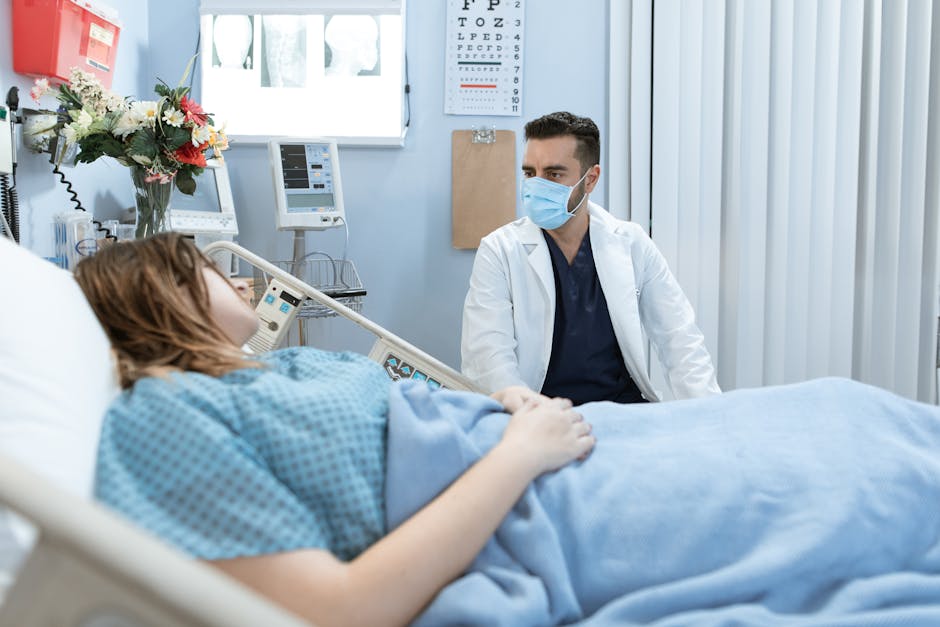
Choose the Right Surgeon: This is the most critical step. Select a board-certified plastic surgeon who specializes in facial procedures and performs rhinoplasty several times per week. Review their before-and-after portfolio to ensure their results look natural and harmonious. At Dr. Jeneby Plastic Surgery, our board-certified surgeons have dedicated their careers to achieving outstanding, safe results.
Communicate Clearly: Be honest about your goals during your consultation. Bring inspiration photos, but understand they are not blueprints. A good surgeon will explain what is realistically achievable for your unique facial structure and will never promise perfection or someone else’s nose.
Set Realistic Expectations: Social media has created unrealistic beauty standards. Your surgeon should help you understand what will work for your face, not just follow a trend. Final results take up to a year or more to appear as swelling subsides.
Follow All Instructions: Your safety and results depend on following your surgeon’s pre- and post-operative guidelines. This includes stopping certain medications, avoiding smoking (which severely impairs healing), and protecting your nose from trauma during recovery.
Choosing an experienced team is your best protection against a poor outcome. Our practice has performed thousands of procedures, giving us deep insight into what creates success. We are committed to patient safety and satisfaction from start to finish. If you’re wondering, Am I a Candidate for Rhinoplasty Surgery?, we encourage thorough research. Education is key. We are passionate about helping people [Learn how to protect yourself from a bad outcome](https://drjenebyplasticsurgery.com/dont-get-botched/), because being smart about your health is the best investment you can make.


