


Transform Your Look with the Best Breast Implants
Curious about best breast implants and how you can achieve your desired look? You’re in the right place. Breast augmentation through implants is one of the most popular cosmetic surgeries today, not just for enhancing physical appearance, but also for boosting self-esteem and confidence.
Here’s a quick snapshot of what you’ll find when selecting the best breast implants:
- Types of Implants: Saline, silicone, gummy bear, and fat grafting.
- Choosing the Right Implant: Size, shape, material, and profile.
- Best Practices: Implant placement, incision types, and recovery care.
I’m Dr. Thomas Jeneby, a seasoned plastic surgeon with over 19 years of experience in breast augmentation and cosmetic surgery. Throughout my career, I’ve specialized in using the best breast implants to provide natural-looking results that meet the safety and satisfaction needs of my patients.
Now, let’s dive into what makes each type of implant unique and how you can choose the best option for your personal goals.
Types of Breast Implants
When considering breast augmentation, understanding the different types of breast implants is crucial. Each type has its own unique benefits and considerations. Let’s explore the main options available:
Saline Breast Implants
Saline breast implants are filled with sterile salt water. They provide a uniform shape, firmness, and are FDA-approved for women aged 18 and older. One of the main advantages of saline implants is that if the implant shell leaks, the saline will be safely absorbed and expelled by the body.
Saline implants are often chosen by women who want a bolder, more prominent look. They also require a smaller incision, which can result in less noticeable scars.
Silicone Breast Implants
Silicone breast implants are filled with silicone gel, which mimics the feel of natural breast tissue. They are FDA-approved for women aged 22 and older. These implants are known for their natural feel and appearance, making them a popular choice for many women.
However, silicone implants require regular checkups to ensure they are functioning properly. An ultrasound or MRI screening is recommended to monitor for any potential leaks.
Gummy Bear Breast Implants
Gummy bear implants, also known as form-stable implants, are filled with a thick silicone gel that maintains its shape even if the implant shell is broken. These implants are firmer and have a shape retention that some women prefer.
While they offer a natural look and feel similar to traditional silicone implants, gummy bear implants require a slightly longer incision. They are also more expensive but are considered highly durable.
Fat-Based Augmentation
Fat-based augmentation, also known as fat grafting, involves using liposuction to take fat from other parts of your body and injecting it into your breasts. This method provides a natural feel and is ideal for women looking for a small increase in breast size.
However, this procedure is relatively new and still considered untested in some aspects. The results can vary, and multiple sessions may be needed to achieve the desired outcome.
Structured Saline Implants
Structured saline implants are filled with sterile salt water but contain an inner structure designed to make the implant feel more natural. This structure aims to combine the benefits of both saline and silicone implants, offering a more natural feel while maintaining the safety of saline.
Round Breast Implants
Round breast implants are designed to make the breasts appear fuller. They offer a higher profile option, which can achieve more projection. Because they are the same shape all over, there’s less concern about them rotating out of place.
Smooth Breast Implants
Smooth breast implants are the softest feeling and can move with the breast implant pocket, giving a more natural movement. However, they may have some palpable or visible rippling under the skin.
Textured Breast Implants
Textured breast implants develop scar tissue to stick to the implant, making them less likely to move around inside the breast. This texturing can help diminish the risk of a tight scar capsule. However, it’s important to note that textured implants have been associated with a higher risk of breast implant-associated anaplastic large cell lymphoma (BIA-ALCL).
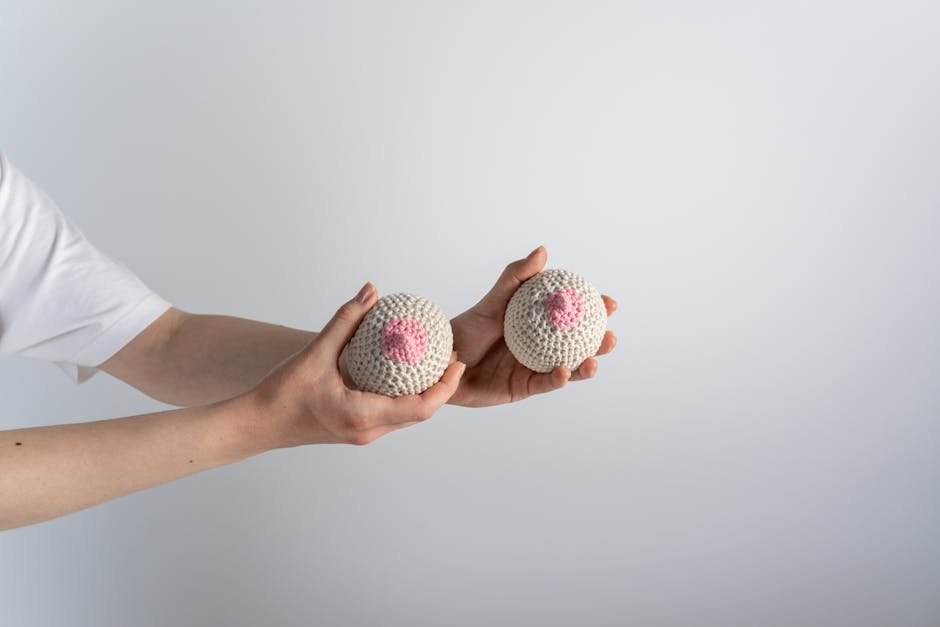
Choosing the right type of breast implant depends on your personal goals, lifestyle, and the recommendations of your cosmetic surgeon. Each type offers unique benefits and potential drawbacks, so discuss all options thoroughly during your consultation.
Next, we’ll explore how to choose the best breast implants for your lifestyle, including considerations for size, shape, material, and profile.
Choosing the Best Breast Implants for Your Lifestyle
Choosing the best breast implants involves several factors: size, shape, material, and profile. Each of these elements plays a crucial role in achieving your desired look and ensuring the implants fit your lifestyle.
Implant Size
Breast implants are measured in cubic centimeters (CCs). The more CCs, the larger the implant.
Example: A 300 CC implant will be smaller than a 500 CC implant.
It’s essential to discuss your goals with your surgeon. Dr. Tyrone in Gainesville emphasizes natural-looking results that complement your figure. Factors like your current breast size, body shape, and amount of existing breast tissue all influence the best size for you.
Implant Shape
Implants come in two main shapes: round and contoured (teardrop).
- Round Implants: These provide more lift, volume, and cleavage. They maintain a symmetrical shape, even if they rotate within the breast pocket.
- Contoured Implants: Also known as teardrop implants, these mimic the natural breast shape, with more volume at the bottom. They can shift over time, potentially altering the appearance.
Dr. Tyrone will help you choose the shape that best meets your goals for breast improvement.
Implant Material
The material of your breast implants affects their feel and longevity:
- Saline: Filled with sterile salt water, these implants offer a uniform shape and firmness. They are FDA-approved and have a slightly firmer feel.
- Silicone: Filled with silicone gel, these implants feel more like natural breast tissue. Regular checkups are recommended to ensure they remain intact.
- Structured Saline: These combine the benefits of saline and silicone, providing a more natural feel with the safety of saline.
- Cohesive Gel (Gummy Bear): These form-stable implants maintain their shape even if the shell breaks. They are firmer and retain their shape better than regular silicone implants.
Implant Profile
The profile of an implant refers to how much it projects from your chest wall:
- Low Profile: These implants have a wider base and less projection, suitable for a subtle improvement.
- Moderate Profile: These offer a balance between base width and projection, ideal for most body types.
- High Profile: These have a narrower base and more projection, creating a more dramatic look.
Your surgeon will consider your chest wall dimensions and desired results to recommend the best profile for you.

Choosing the right implant involves balancing these factors to match your lifestyle and aesthetic goals. Dr. Tyrone and his team will guide you through this process to ensure you achieve the look you desire.
Best Practices for Breast Implant Surgery
When it comes to breast implant surgery, several key factors can influence the outcome. Understanding implant placement options, incision types, and recovery and follow-up care can help ensure the best results.
Implant Placement Options
There are three common approaches for placing breast implants:
Submuscular (Behind the Muscle)
- Description: The implant is positioned beneath the pectoral muscle.
- Advantages: Offers better muscle coverage and soft tissue camouflage, leading to a more natural look.
- Disadvantages: Initial recovery can be more uncomfortable, but long-term results are often worth it.
Subglandular (In Front of the Muscle)
- Description: The implant is placed in front of the pectoral muscle but behind the breast tissue.
- Advantages: Easier and quicker recovery since the muscle isn’t disturbed. Ideal if you have enough breast tissue to cover the implant.
- Disadvantages: More visible implant edges if you have thin breast tissue.
Dual-Plane (Partially Behind the Muscle)
- Description: The implant is placed partially behind the muscle and partially behind the breast tissue.
- Advantages: Combines benefits of both submuscular and subglandular placements. Offers good muscle coverage and a more natural look with a potentially easier recovery.
- Disadvantages: May not be suitable for all patients; your surgeon will assess your specific needs.
Incision Types
The type of incision used can affect scar visibility and recovery:
Periareolar Incision (Around the Nipple)
- Advantages: Minimizes visible scarring by placing the incision around the areola.
- Disadvantages: Higher risk of complications like lost nipple sensation or difficulty breastfeeding.
Transaxillary Incision (Armpit)
- Advantages: Virtually invisible scars within the natural folds of the armpit. Suitable for those prone to keloid scarring or planning to breastfeed.
- Disadvantages: Can only be used once for primary surgery. Secondary surgeries may require a different incision.
Inframammary Incision (Under the Breast)
- Advantages: Most common and provides direct access to the implant pocket. Offers reliable symmetry and control.
- Disadvantages: Leaves a short scar in the breast crease, which fades over time.
Recovery and Follow-Up Care
Proper recovery and follow-up care are crucial for the best results and patient safety:
Post-Operative Instructions
- Rest and Hydrate: Ensure you get plenty of rest and stay hydrated.
- No Smoking: Avoid smoking as it can impede healing.
- Follow Guidelines: Adhere to all post-surgery instructions provided by your surgeon.
Infection Risk
- Monitor for Signs: Watch for signs of infection such as redness, swelling, or unusual discharge.
- Antibiotics: Take prescribed antibiotics to reduce the risk of infection.
Checkups and MRI Screening
- Regular Checkups: Schedule follow-up appointments to monitor your progress.
- MRI Screening: For silicone implants, routine monitoring with ultrasound or MRI is recommended after 5-6 years, then every 2-3 years.
By following these best practices, you can ensure a smoother recovery and achieve the best possible results from your breast implant surgery.
Frequently Asked Questions about the Best Breast Implants
Which type of breast implant is best?
Choosing the best breast implants depends on your personal goals and lifestyle. Here are the main types:
Saline Implants: Filled with sterile salt water, these implants are known for their firmness and uniform shape. They are FDA-approved for women aged 18 and older. One advantage is that if they rupture, the body can safely absorb the saline solution.
Silicone Implants: These are filled with silicone gel, which feels more like natural breast tissue. They are FDA-approved for women aged 22 and older. However, they require regular checkups because ruptures can go undetected.
Gummy Bear Implants: Also known as form-stable implants, these contain a thicker silicone gel that retains its shape even if the shell breaks. They offer a natural feel and are less likely to leak, but they are the most expensive option.
Fat Grafting: This involves using liposuction to take fat from other parts of your body and inject it into your breasts. It offers a more natural feel but is better suited for smaller size increases.
What is the #1 breast implant brand?
The Natrelle INSPIRA Collection is highly regarded among leading U.S. physicians. These implants offer varying levels of gel cohesivity, which means they can provide different levels of firmness and shape retention.
- Smooth Breast Implants: These implants are popular for their soft feel and natural look. They are easier to place but might move more within the breast pocket.
What are the newest and safest breast implants?
The latest advancements in breast implant technology focus on safety and performance:
Regular Silicone Implants: These continue to be a popular choice due to their natural feel and proven safety record.
Gummy Bear Implants: These are considered among the safest due to their form-stable nature, reducing the risk of leakage.
No matter which type of implant you choose, always prioritize safety and regular follow-up care. Consult with a qualified cosmetic surgeon to determine the best option for you.
Up next, we’ll dive into the top considerations you should keep in mind when planning your breast augmentation surgery.
Conclusion
At the Plastic and Cosmetic Center of South Texas, we are dedicated to helping you achieve your cosmetic goals with confidence. Our experienced surgeons employ advanced techniques to ensure you get the best results possible. Whether you’re considering saline, silicone, or gummy bear implants, we can guide you through every step of the process.
Patient safety and satisfaction are our top priorities. We understand that undergoing breast augmentation is a significant decision, and we are committed to providing you with all the information and support you need. Our team will work with you to develop a personalized plan that suits your body and lifestyle.
In-house financing options make it easier for you to achieve your dream look without financial stress. We offer flexible plans custom to fit your budget, ensuring that quality care is accessible to everyone.
Choosing the best breast implants involves careful consideration and expert advice. At the Plastic and Cosmetic Center of South Texas, we are here to help you every step of the way.
Ready to take the next step? Schedule your consultation today and let us help you achieve the look you’ve always wanted.
By prioritizing your safety and satisfaction, we aim to make your breast augmentation journey as smooth and rewarding as possible. Trust us to provide the expert care and support you deserve.


