


Flatten and Firm: The Essential Guide to Abdominoplasty
Abdominoplasty, often called a “tummy tuck,” is a surgical procedure designed to remove excess skin and fat from the abdominal area. This surgery can also tighten the muscles of the abdomen.
Here are quick, essential points:
– Definition: Cosmetic surgery that trims waistline
– Target Areas: Excess skin, fat around the belly
– Benefits: Flatter, firmer abdomen; enhanced self-esteem
– Considerations: Permanent results, not for weight loss or stretch marks
Abdominoplasty is important for anyone who has experienced significant weight changes, pregnancy, or simply wants to enhance their body contour. This procedure can make a dramatic difference in appearance and confidence, giving you a firmer, more toned midsection.
I am Dr. Thomas Jeneby, and with over 19 years of experience in abdominoplasty, I’ve helped countless patients achieve their dream physiques.
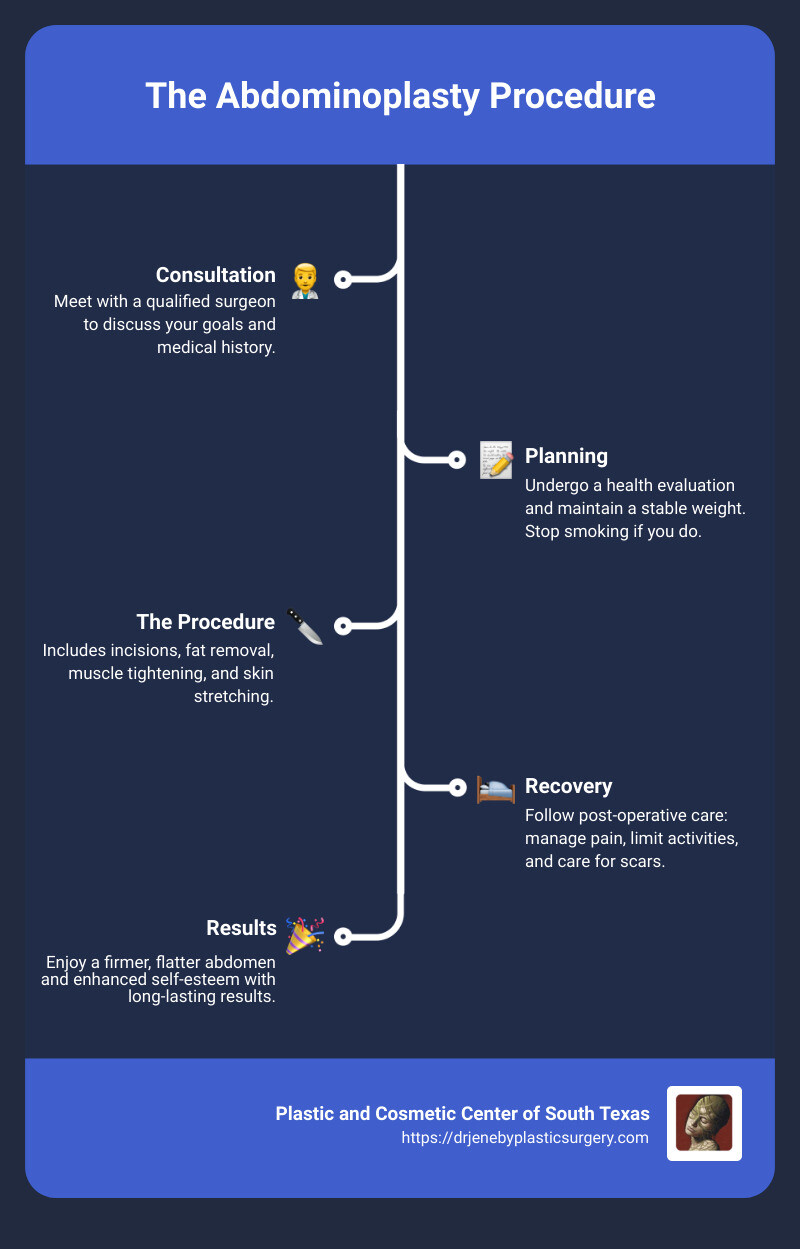
What is Abdominoplasty?
Abdominoplasty, commonly known as a “tummy tuck,” is a type of cosmetic surgery designed to remove excess fat and skin and restore weakened muscles in the abdominal area. This procedure aims to create a smoother and firmer abdominal profile.


Tummy Tuck: More than Just Cosmetic Surgery
A tummy tuck is not just about looking good. For many, it’s about feeling good too. It helps in:
- Tightening loose or split muscles: This is especially beneficial for women post-pregnancy or anyone who has experienced significant weight loss.
- Removing excess skin and fat: This can alleviate discomfort caused by hanging skin, such as irritation and infections.
- Improving posture and core strength: By tightening the abdominal muscles, posture can improve, leading to less back pain.
Dr. John-Paul Regan, a renowned expert in the field, explains, “The goal of abdominoplasty is to develop an aesthetically pleasing abdomen. This can include direct excisional techniques as well as liposuction.”
Why Consider Abdominoplasty?
People consider abdominoplasty for various reasons:
- Post-Pregnancy: After multiple pregnancies, abdominal muscles and skin can become loose or separated.
- Significant Weight Loss: After losing a lot of weight, excess skin can remain, and a tummy tuck helps in removing this.
- Aging: As we age, skin loses elasticity, and muscles can weaken.
Different Types of Tummy Tucks
There are several types of abdominoplasty procedures, each tailored to specific needs:
- Full or Standard: This involves a hip-to-hip incision and another around the belly button.
- Extended: The incision goes around to the sides of the lower back, removing more skin.
- Fleur-de-lis: Uses both horizontal and vertical incisions to tighten skin both ways.
- Mini: A small horizontal incision below the belly button, ideal for minor adjustments.
- Reverse: Focuses on the upper abdomen, pulling skin upwards.
According to the Aesthetic Plastic Surgery National Databank, abdominoplasty was the third most common plastic surgery in the U.S. in 2020–2021, with 242,939 procedures performed.
What a Tummy Tuck Can’t Do
A tummy tuck is not a substitute for weight loss or an appropriate exercise program. Significant weight fluctuations can adversely affect the results. Also, a tummy tuck cannot correct stretch marks unless they are on the areas of skin that will be removed.
Dr. Thomas Jeneby emphasizes, “While the results of a tummy tuck are technically permanent, maintaining a stable weight is crucial for long-lasting outcomes.”
In the next section, we’ll dive into the specifics of the abdominoplasty procedure, including incisions, fat removal, and muscle tightening.
Reasons to Consider Abdominoplasty
Weight Loss
After significant weight loss, whether through diet, exercise, or bariatric surgery, excess skin can be a persistent issue. Abdominoplasty helps remove this extra skin and tightens the abdominal area.
Case Study: Many patients who have undergone bariatric surgery find themselves with loose, sagging skin. An abdominoplasty can remove this excess skin, leading to a flatter and more toned abdomen.
Pregnancy
Pregnancy can cause the abdominal muscles and skin to stretch beyond their natural elasticity. This often results in a protruding belly that exercise and diet alone can’t fix.
Quote: “After my second pregnancy, my stomach never bounced back. The tummy tuck gave me my confidence back,” says a satisfied patient from the Plastic and Cosmetic Center of South Texas.
Aging
As we age, our skin loses elasticity, and the abdominal muscles can weaken. This can result in a sagging, less toned midsection.
Fact: Aging is one of the most common causes of a loose and sagging abdomen. A tummy tuck can help restore a youthful appearance by tightening the skin and muscles.
Body Contouring
Even if you’re at your ideal weight, you may have areas of your body that just won’t respond to diet and exercise. An abdominoplasty can help contour your body, giving you a more toned and aesthetically pleasing abdomen.
Statistics: The number of abdominoplasties has grown by 115% over the past five years, with over 134,746 procedures performed.
The Abdominoplasty Procedure Explained
Incisions
The first step in an abdominoplasty is making the incisions. The main incision is typically horizontal and runs from hip to hip, just above the pubic area. The exact length and shape of the incision depend on the amount of excess skin. In some cases, a second incision around the navel is necessary to remove extra skin in the upper abdomen.
Fat Removal
After the incisions are made, the surgeon removes excess fat. This can be done through direct excision or with the help of liposuction. Liposuction involves inserting a thin tube called a cannula to suction out fat deposits, sculpting a slimmer and more attractive contour.
Muscle Tightening
In many cases, the abdominal muscles have become weakened or separated, especially after pregnancy or significant weight loss. During the procedure, the surgeon pulls these muscles together and stitches them in place. This step is crucial for creating a firmer and more toned abdominal profile.
Skin Stretching
Once the fat is removed and the muscles are tightened, the surgeon stretches the remaining skin over the newly contoured abdomen. Excess skin is trimmed away, and the remaining skin is sutured together. In some cases, the belly button may need to be repositioned to fit the new abdominal shape.
In the next section, we’ll discuss how to prepare for your abdominoplasty, including consultation, health evaluation, and other essential steps.
Preparing for Your Abdominoplasty
Consultation
Before diving into the procedure, a consultation with your plastic surgeon is essential. This is your chance to discuss your goals and expectations. Be clear about what you hope to achieve with abdominoplasty.
Your surgeon will:
- Assess Your Health: The surgeon will evaluate your general health, including any pre-existing conditions or risk factors. This might include checking your blood pressure, temperature, and heart rate.
- Examine Your Abdomen: Expect a physical exam where the surgeon will assess your abdominal area. They might also take photographs for your medical record.
- Discuss Your Expectations: Clearly explain why you want a tummy tuck and what you’re hoping to achieve. Understand the benefits and risks, including potential scarring.
Health Evaluation
A thorough health evaluation is crucial. This includes discussing your physical and mental health, past medical history, and current medications. Your surgeon will want to know:
- Past Medical History: Any diseases, illnesses, surgeries, or immunizations.
- Current Medications: Including vitamins and supplements.
- Allergies: Any known allergies, especially to medications.
- Mental Health: Any mental illnesses or treatments.
This evaluation helps the surgeon assess the risks and possible complications for you.
Smoking Cessation
If you smoke, quitting before the surgery is vital. Smoking decreases blood flow to the skin and can slow the healing process. It also increases the risk of complications. Many surgeons consider current smoking a contraindication to the surgery. So, for your health and the success of the procedure, it’s best to quit smoking well in advance.
Stable Weight
Maintaining a stable weight is crucial for the best results. Ideally, you should have a stable weight for at least 12 months before the surgery. If you are severely overweight, your doctor may recommend weight loss before the procedure. Significant weight loss after the surgery can diminish your results.
What to Avoid
Before the surgery, you may need to avoid certain medications, such as aspirin, anti-inflammatory drugs, and herbal supplements, as they can increase bleeding. Always follow your surgeon’s instructions regarding medication adjustments.
Arrange for Help
Plan ahead for your recovery. Arrange for someone to drive you home after the surgery and stay with you for at least the first night. This support is crucial for a smooth recovery process.
Next, we will address some frequently asked questions about abdominoplasty, including the differences between a tummy tuck and abdominoplasty, weight loss expectations, and the associated risks.
Frequently Asked Questions about Abdominoplasty
What is the difference between a tummy tuck and abdominoplasty?
A tummy tuck and abdominoplasty are terms often used interchangeably. Both refer to the same surgical procedure aimed at removing excess fat and skin and tightening the muscles of the abdominal wall. This operation helps create a smoother and firmer abdominal profile. The term “tummy tuck” is more commonly used in everyday language, while “abdominoplasty” is the medical term.
How much weight can you lose with abdominoplasty?
Abdominoplasty is not a weight loss surgery. Its primary goal is to remove excess skin and fat and to tighten loose or separated muscles. While some weight loss may occur due to the removal of excess tissue, the procedure is not designed for significant weight reduction. Most medical practitioners recommend achieving a stable weight through diet and exercise before considering abdominoplasty.
What are the risks associated with abdominoplasty?
Like any surgical procedure, abdominoplasty comes with risks. It’s important to discuss these with your medical practitioner and weigh them against the benefits. Some potential complications include:
- Wound infection: Post-surgical infections can occur, requiring antibiotics or additional treatment.
- Blood clots: There is a risk of developing blood clots, which can be serious. Early mobilization after surgery can help reduce this risk.
- Asymmetry: The shape of the abdomen may not be perfectly symmetrical after surgery.
- Scarring: Severe scarring or discoloration of the skin can happen, although efforts are made to minimize visible scars.
- Loose skin: In some cases, skin may remain loose even after the procedure.
- Numbness or pain: The surgical area may experience numbness or persistent pain.
- Unsatisfying cosmetic results: Not all patients are happy with the aesthetic outcome, which may necessitate further procedures.

Understanding these risks and having a thorough discussion with your surgeon can help set realistic expectations and prepare you for the recovery process.
Recovery and Aftercare
Healing Process
After your abdominoplasty, the healing process is crucial. The area operated on will be stitched and bandaged with a firm, elastic band to promote proper healing. Expect swelling and discomfort, which are normal parts of the recovery. Your surgeon will prescribe pain medication to manage discomfort.
Key points:
– Swelling and bruising: Common in the initial weeks.
– Numbness: Temporary numbness around the surgical area.
– Bandages and drains: Follow your surgeon’s instructions for caring for bandages and surgical drains.
Pain Management
Managing pain effectively is essential for a smooth recovery. Your surgeon will prescribe pain medications to help you stay comfortable. Over-the-counter options may also be recommended for mild pain.
Tips for managing pain:
– Follow prescription guidelines: Take medications as directed.
– Use pillows: Place pillows under your knees and back while lying down to ease discomfort.
– Stay ahead of the pain: Don’t wait for the pain to get severe before taking your medication.
Activity Restrictions
Strenuous activities must be avoided for at least six weeks to ensure proper healing. You may need to take up to one month off work, depending on the nature of your job. Light walking is encouraged to promote circulation and reduce the risk of blood clots.
Restrictions include:
– No heavy lifting: Avoid lifting anything heavier than a gallon of milk.
– Limit physical exertion: Activities like running, cycling, and weightlifting are off-limits.
– Rest: Balance light activities with plenty of rest.
Scar Care
Scarring is a natural part of the healing process. While scars from a tummy tuck will never completely disappear, they can fade over time. Your surgeon may recommend creams or ointments to help minimize their appearance.
Scar care tips:
– Keep the incision clean and dry: Follow your surgeon’s instructions for wound care.
– Use scar treatments: Apply recommended creams or ointments once the incision has healed.
– Protect from sunlight: Use sunscreen to prevent discoloration of the scar.
– Wear compression garments: These help reduce swelling and support the healing tissues.
Following these guidelines will help you navigate the recovery process more smoothly and achieve the best possible results from your abdominoplasty. Next, let’s delve into potential complications and how to avoid them.
Potential Complications and How to Avoid Them
Infection
Infections can occur after any surgery, including abdominoplasty. Signs include redness, swelling, and fever. According to the NCBI, infections may require antibiotics or additional procedures.
How to avoid infection:
– Keep the wound clean: Follow your surgeon’s cleaning instructions.
– Take prescribed antibiotics: Complete the full course even if you feel fine.
– Avoid exposing the wound: Keep it covered and dry as advised.
Poor Wound Healing
Poor wound healing can lead to noticeable scars or even require a second surgery. Factors like smoking, diabetes, and poor circulation increase this risk.
How to avoid poor wound healing:
– Quit smoking: Smoking restricts blood flow and delays healing.
– Manage chronic conditions: Keep diabetes and other health issues under control.
– Follow post-op care: Adhere to all wound care instructions from your surgeon.
Seroma
A seroma is a buildup of fluid under the skin, which can occur after an abdominoplasty. This may require drainage with a needle or even another surgical procedure.
How to avoid seroma:
– Wear compression garments: These help minimize fluid buildup.
– Monitor for fluid accumulation: Watch for any unusual swelling and report it to your doctor.
– Drain care: If you have drains, ensure they are functioning and follow care instructions.
Tissue Damage
Tissue damage, including blood clots and skin necrosis, can occur due to poor blood supply or excessive tension on the incision.
How to avoid tissue damage:
– Stay hydrated: Proper hydration aids in maintaining good blood flow.
– Avoid strenuous activities: Don’t strain the incision area by lifting heavy objects or intense exercise.
– Follow positioning advice: Stay in a flexed (Semi-Fowler) position as recommended to reduce tension on your incision.
By following these guidelines, you can significantly reduce the risk of complications and ensure a smoother recovery. Next, we will look at real results from patients who have undergone abdominoplasty.
Real Results: Before and After Abdominoplasty
Patient Testimonials
Many patients find abdominoplasty life-changing. Here are some real stories:
“I struggled with loose skin after losing 100 pounds. Abdominoplasty gave me the confidence to wear clothes I never thought I could.” — Sarah, 36
“After having three kids, my stomach never bounced back. The surgery tightened my muscles and removed the excess skin. I feel like myself again.” — Amanda, 42
These testimonials highlight the positive impact this procedure can have on self-esteem and body image.
Before and After Photos
Seeing is believing. Here are some real patient transformations:

Patient A:
– Age: 42
– Weight: 246 lbs
– Height: 5’4″
– Procedures: Tummy tuck, Liposuction to upper and lower abdomen, flanks, back bra roll, with mons lift.
– Result: About 10 months healed
This patient had significant improvements in the abdominal area, showcasing the procedure’s ability to firm and flatten the stomach.
Patient B:
– Age: 35
– Weight: 198 lbs
– Height: 5’6″
– Procedures: Full abdominoplasty
– Result: 6 months healed
The results show a flatter, more toned abdomen, with a noticeable improvement in muscle tightness and skin smoothness.
Why These Results Matter
These real-life examples demonstrate the effectiveness of abdominoplasty in achieving a flatter, firmer abdomen. They also show that the surgery can dramatically improve body contour and self-confidence.
Next, we will look at the long-lasting results and maintenance tips to ensure you get the most out of your abdominoplasty.
Conclusion
Long-lasting Results
An abdominoplasty can provide long-lasting results, giving you a flatter, firmer abdomen. However, maintaining these results requires effort. A balanced diet and regular exercise are key. Avoiding significant weight fluctuations and future pregnancies can help keep your new look intact.
Maintenance
Post-surgery, it’s important to follow your doctor’s advice on aftercare. This includes:
- Staying active: Gentle exercises can aid recovery and maintain muscle tone.
- Healthy eating: A nutritious diet helps in healing and maintaining weight.
- Scar care: Follow tips for minimizing scars, such as using silicone sheets or creams.
Regular follow-ups with your surgeon ensure everything is healing well and allows for any necessary adjustments.
Plastic and Cosmetic Center of South Texas
At the Plastic and Cosmetic Center of South Texas, we are committed to helping you achieve your aesthetic goals. Our experienced team, led by Dr. Jeneby, provides personalized care and state-of-the-art techniques to ensure your satisfaction.
Ready to take the next step? Contact us today to schedule your consultation and start your journey to a flatter, firmer abdomen.


