


Introduction
Abdominoplasty before and after results can be truly eye-opening. This surgical procedure, commonly referred to as a tummy tuck, has the power to transform your midsection by removing excess fat and skin while tightening the abdominal muscles.
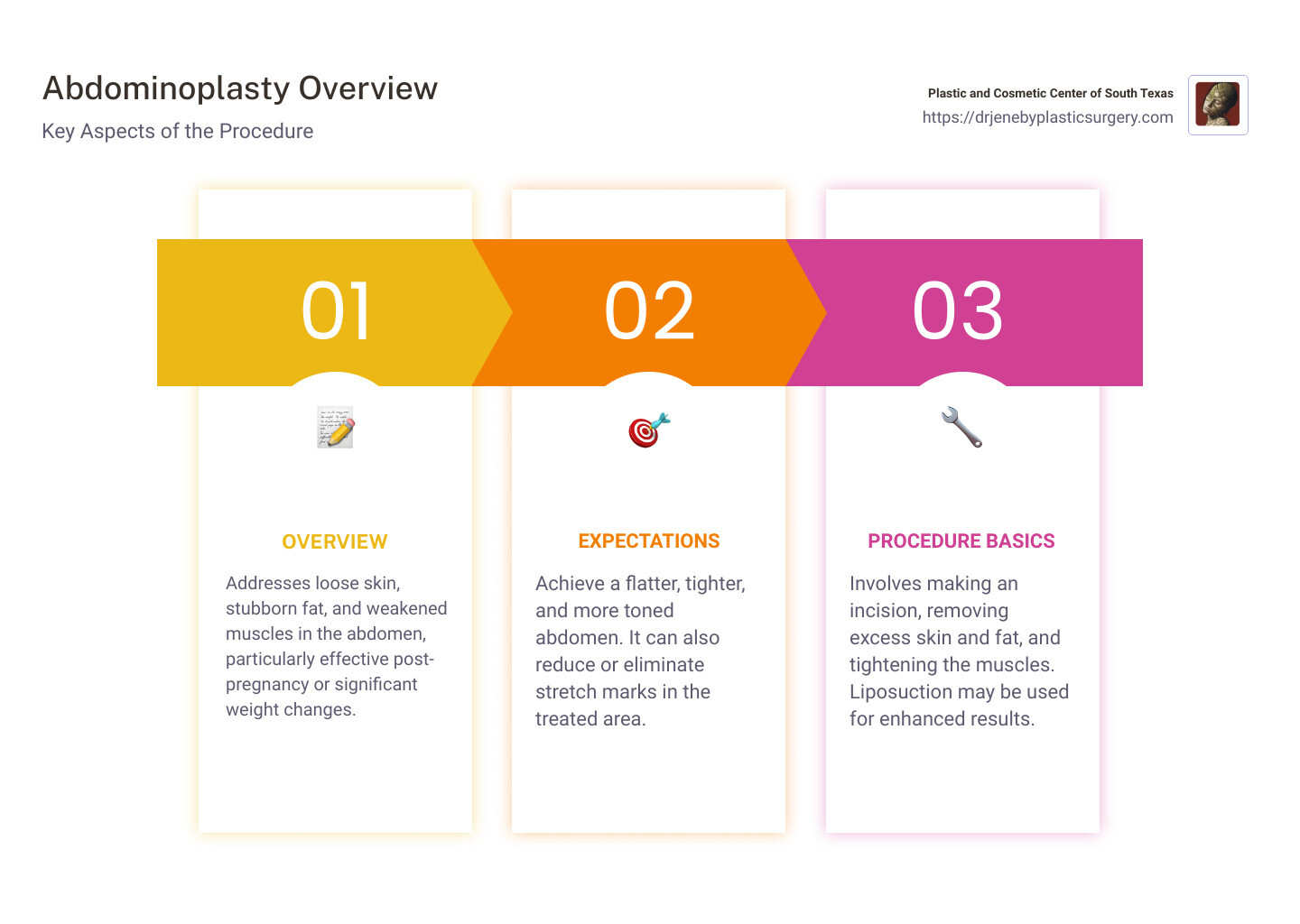
Overview: Abdominoplasty addresses loose skin, stubborn fat, and weakened muscles in the abdomen. Many patients, especially those who have experienced pregnancy or significant weight changes, do not achieve their aesthetic goals through diet and exercise alone.
Expectations: You can expect a flatter, tighter, and more toned abdomen post-surgery. The procedure can also help reduce or eliminate stretch marks in the treated area.
Procedure Basics: The surgery involves making an incision, removing excess skin and fat, and tightening the muscles. Some patients might also undergo liposuction for enhanced results.
Abdominoplasty is more than just removing skin and fat; it’s about restoring confidence and achieving your desired body contour.
Understanding Abdominoplasty
Definition
Abdominoplasty, commonly known as a tummy tuck, is a surgical procedure that aims to flatten the abdomen by removing excess skin and fat and tightening the muscles in the abdominal wall. This surgery is often sought by individuals who have experienced significant weight loss, pregnancy, or aging, which can lead to loose, saggy skin and weakened abdominal muscles.
Tummy Tuck
A tummy tuck is not a one-size-fits-all procedure. There are different types of tummy tucks depending on the patient’s needs:
- Full Tummy Tuck: This involves a horizontal incision between the pubic hairline and the navel. The surgeon removes excess skin, tightens muscles, and repositions the belly button.
- Mini Tummy Tuck: Ideal for patients with less excess skin, this involves a smaller incision and focuses on the area below the navel.
- Extended Tummy Tuck: This is for patients who need more extensive corrections, often including the flanks or lower back.
Surgical Details
The abdominoplasty procedure involves several key steps:
Making the Incision:
The surgeon makes a horizontal incision in the region spanning the pubic hairline to the navel. The specific contour and extent of this incision depend on the amount of excess skin.Repairing and Tightening the Abdominal Muscles:
After gaining access to the abdominal muscles, the surgeon secures the weakened muscles with sutures. This step may involve a technique called mesh abdominoplasty to reinforce the abdominal wall.Removing Excess Skin and Fat:
The surgeon removes the excess skin and fat, reshapes the abdomen, and repositions the belly button if needed.Closing the Incision:
The final step is closing the incision. The surgeon must perform this with care to minimize scarring and promote faster healing.

Visual Impact
The visual impact of abdominoplasty is often dramatic. Patients typically see a significant improvement in the contour and firmness of their abdomen. Stretch marks, particularly those below the navel, can also be reduced or eliminated.
In a case study involving a 48-year-old patient, the individual was unhappy with her post-pregnancy abdomen. After the surgery, she experienced a flatter, more toned abdomen, which greatly enhanced her confidence and comfort in clothing.
By understanding what abdominoplasty entails, patients can better appreciate the transformative potential of this procedure. Whether opting for a full, mini, or extended tummy tuck, the goal is the same: to achieve a flatter, firmer, and more aesthetically pleasing abdomen.
The Abdominoplasty Procedure Explained
Preparation
Getting ready for abdominoplasty involves several important steps:
Medical Evaluation: Your surgeon will perform a thorough medical evaluation. This might include blood tests or other pre-op tests to ensure you’re fit for surgery.
Stable Weight: It’s crucial to be at a stable weight. Significant weight changes after the procedure can affect the results.
Medication Adjustments: You might need to stop taking certain medications, like blood thinners or herbal supplements, weeks before surgery. Always follow your surgeon’s instructions closely.
Smoking Cessation: If you smoke, you will need to quit several weeks before and after surgery. Smoking can hinder the healing process.
Surgical Steps
Here’s a simplified breakdown of what happens during the surgery:
Anesthesia: You’ll be given either intravenous sedation or general anesthesia to ensure you’re comfortable and pain-free throughout the procedure.
Incision: The surgeon will make a horizontal incision between the pubic hairline and the belly button. The shape and length of the incision depend on how much excess skin needs to be removed.
Muscle Repair: The underlying weakened abdominal muscles are repaired and stitched together, creating a firmer abdominal wall.
Skin Removal: The surgeon pulls down the upper abdominal skin, trims the excess, and sutures it together.
Navel Repositioning: In a full tummy tuck, the navel is repositioned to a natural-looking location.
Closing Incisions: The incisions are closed with sutures, skin adhesives, or clips.
Anesthesia
Anesthesia is a critical part of the procedure. Here’s what you need to know:
Types: You might receive intravenous sedation or general anesthesia. The choice depends on your medical situation and the surgeon’s recommendation.
Safety: Anesthesia is generally safe, but your anesthesiologist will review your medical history to minimize risks.
Experience: You will be asleep and unaware during the procedure, ensuring you don’t feel any pain.
Understanding these steps can help you feel more prepared and confident about the procedure. Next, let’s explore the dramatic abdominoplasty before and after transformations and the comprehensive recovery guide to ensure the best results.
Abdominoplasty Before and After
Abdominoplasty, or tummy tuck, can lead to remarkable transformations. This procedure is designed to remove loose skin and excess fat, and tighten the muscles in your abdominal area. Here’s a closer look at the impact it can have:
Visual Impact
The visual changes from abdominoplasty can be dramatic. Patients often see a flatter, more toned abdomen. This can make a significant difference in how clothes fit and how you feel about your body.
- Before: Many patients have sagging skin, excess fat, and weakened abdominal muscles. This can result from aging, pregnancy, weight fluctuations, or previous surgeries.
- After: Patients typically see a smoother, firmer abdominal area. The skin is tighter, and the overall silhouette is more contoured.
Case Study: A 38-year-old mother who had multiple pregnancies saw a huge change. Dr. Stoker performed an abdominoplasty with liposuction, and just eight weeks post-surgery, her abdomen appeared much flatter and more toned .
Patient Transformations
Every patient’s journey is unique, but the results of abdominoplasty can be life-changing.
- Case #101: A 46-year-old woman from New York lost over 120 pounds and had loose abdominal skin. After her abdominoplasty, she saw a significant improvement in her abdominal area, which boosted her confidence (source).
- Case #120: A 52-year-old woman who lost 30 pounds was left with loose skin on her buttocks and thighs. Post-surgery, her skin was much tighter and she felt more comfortable in her body (source).
Stretch Marks Removal
Stretch marks are a common concern, especially after pregnancy or significant weight loss. Abdominoplasty can also help with this issue.
- Before: Stretch marks often appear on the lower abdomen due to rapid stretching of the skin.
- After: During the procedure, excess skin with stretch marks is removed. This can significantly reduce, or even eliminate, stretch marks in the treated area.
Example: A 42-year-old patient who underwent a tummy tuck with liposuction saw not only a flatter stomach but also a reduction in stretch marks, enhancing the overall appearance of her abdomen (source).
These abdominoplasty before and after results highlight the potential for significant improvements in both appearance and self-esteem. Next, we’ll discuss the comprehensive recovery process to ensure the best outcomes.
Comprehensive Recovery Guide
Recovering from abdominoplasty is crucial for achieving the best results. Here’s what you need to know:
Healing Time
Recovery from abdominoplasty can take two weeks to two months. The extent of your surgery impacts how long you’ll need to heal. If a large amount of skin and fat was removed, expect a longer recovery.
Care Tips
Proper care is essential for a smooth recovery:
- Hydrate: Drink plenty of water. Dehydration can make you feel unwell, so keep a water bottle handy.
- Proper Nutrition: Eat a healthy diet rich in lean protein, fiber, fruits, and vegetables. This helps prevent constipation and speeds up wound healing.
- Rest: Balance rest with light movement. Getting up every couple of hours helps circulation, but make sure to rest in between.
- Breathe Deeply and Cough: Use a pillow to protect your tummy and take deep breaths every couple of hours. This reduces the risk of pneumonia.
- Manage Your Pain: Follow your provider’s pain management plan. If you’re in extreme pain, it’s hard to rest and heal.
Activity Restrictions
- Avoid Strenuous Activity: For at least six weeks, avoid heavy lifting and strenuous exercises.
- Walking: Once you’re able, walk with assistance to promote circulation and healing.
- Return to Work: Only return to work when your healthcare provider gives you the green light.
Monitoring for Complications
Keep an eye out for signs of infection or complications:
- Infection Signs: Pain, redness, drainage, pus, fevers, or chills. Contact your healthcare provider immediately if these occur.
- Drain Care: If you have a surgical drain, monitor the fluid. If it increases in quantity or looks bloody or cloudy, call your provider.
Healing Tips
To ensure your incisions heal well and scarring is minimal:
- Compression Garment: Wear an abdominal binder over your bandage and under your clothes during recovery.
- Keep Incisions Clean and Dry: Follow your provider’s instructions for wound care and dressing changes.
- Scar Care: After the incision heals, your provider may suggest a scar cream or patch. Avoid direct sunlight on the scar and use sunscreen for several months.
By following these steps, you can help ensure a smooth recovery and optimal results from your abdominoplasty. Next, we’ll answer some frequently asked questions about the procedure.
Frequently Asked Questions about Abdominoplasty
What is the difference between a tummy tuck and abdominoplasty?
A tummy tuck and abdominoplasty are actually the same procedure. Both terms refer to the surgical process that removes excess skin and fat from the abdomen and tightens the abdominal muscles. This helps create a flatter and more toned abdominal area.
There are different types of tummy tucks, such as mini tummy tucks and traditional tummy tucks, which cater to different needs and goals. A mini tummy tuck targets minor issues mostly in the lower abdomen, while a traditional tummy tuck addresses more extensive concerns, including muscle repair.
How much weight can you lose with abdominoplasty?
An abdominoplasty is not a weight loss surgery. It’s primarily for removing excess skin and fat and tightening muscles to improve the abdominal area’s appearance. Most patients lose a few pounds of skin and fat, but the main benefit is a flatter, more toned abdomen.
If weight loss is your goal, other options like diet, exercise, or even bariatric surgery might be more appropriate. Abdominoplasty is best for those who are already at a stable weight and are looking to address loose skin or separated muscles.
How painful is the recovery from abdominoplasty?
Recovery from abdominoplasty can be uncomfortable but is generally manageable with proper care and pain management. You can expect:
- Initial Pain and Swelling: Most patients experience some pain and swelling for the first few days. Pain medications prescribed by your surgeon can help manage this.
- Limited Mobility: You may find it difficult to stand up straight initially, and you’ll need to avoid strenuous activities for several weeks.
- Gradual Improvement: Pain and discomfort usually decrease significantly within the first week. Most people return to sedentary work after about two weeks and gradually resume normal activities over the next few weeks.
Patients often report that the results—such as a flatter, more toned abdomen—are well worth the temporary discomfort of recovery.
Next, we’ll explore how diet, exercise, and follow-up care play crucial roles in achieving and maintaining your optimal results.
Achieving Optimal Results
Diet and Exercise are key to maintaining your new look after abdominoplasty. While the surgery can give you a flatter, more toned abdomen, keeping those results requires ongoing effort.
Diet
A balanced diet helps you maintain your weight and supports your body as it heals. Here are some simple tips:
- Lean Proteins: Chicken, fish, tofu, and beans help repair tissues.
- Fruits and Vegetables: These are rich in vitamins and antioxidants.
- Whole Grains: Oats, brown rice, and whole wheat bread provide fiber and energy.
- Hydration: Drink plenty of water to keep your skin hydrated and help flush out toxins.
Avoid high-calorie foods and sugary drinks that can lead to weight gain. Your diet plays a big role in how you feel and look.
Exercise
Regular exercise is vital for maintaining your new shape. Start slowly and build up your routine as you heal.
- Light Activities: Begin with gentle walks to improve circulation.
- Strength Training: After getting your doctor’s approval, incorporate exercises that strengthen your core muscles.
- Cardio: Activities like swimming or cycling can help you maintain a healthy weight.
Always follow your surgeon’s advice on when to resume different types of exercises.
Follow-up Care
Consistent follow-up care ensures you’re healing properly and helps you maintain your results. Here’s what to keep in mind:
- Scheduled Visits: Attend all post-op appointments to monitor your progress.
- Report Issues: Inform your surgeon about any unusual symptoms like excessive swelling or pain.
- Scar Care: Follow guidelines for scar treatment to minimize their appearance. This might include using silicone sheets or creams.
Your journey doesn’t end with the surgery. A healthy lifestyle and regular medical check-ups are essential for long-term success.
Next, we’ll answer some frequently asked questions about abdominoplasty to provide you with more detailed insights.
Conclusion
Patient Satisfaction
Patient satisfaction is at the heart of our practice. We’ve seen countless individuals transform their lives through abdominoplasty. Take the story of a 38-year-old mother who regained her pre-pregnancy figure thanks to a tummy tuck and liposuction. Eight weeks after her surgery, she felt more confident and comfortable in her skin.
Another inspiring case is a 46-year-old woman who lost over 120 pounds and opted for abdominoplasty to remove excess skin. The results were life-changing, providing her with a new sense of freedom and happiness.
Plastic and Cosmetic Center of South Texas
At the Plastic and Cosmetic Center of South Texas, we are committed to delivering exceptional care and stunning results. Our experienced surgeon, Dr. Jeneby, has performed thousands of procedures, helping patients achieve their aesthetic goals. We take a personalized approach, ensuring each treatment plan is tailored to meet your unique needs.
If you’re considering abdominoplasty, we invite you to explore our tummy tuck services and see how we can help you transform your body and boost your confidence.
Long-term Care
Long-term success after abdominoplasty involves more than just the surgery. Maintaining a healthy lifestyle is crucial. This means eating a balanced diet, engaging in regular exercise, and attending follow-up appointments. Proper scar care and monitoring your health can also ensure you enjoy the benefits of your tummy tuck for years to come.
Your journey to a flatter, more toned abdomen is just the beginning. With our support and your commitment to a healthy lifestyle, you can enjoy lasting results and a renewed sense of well-being.


